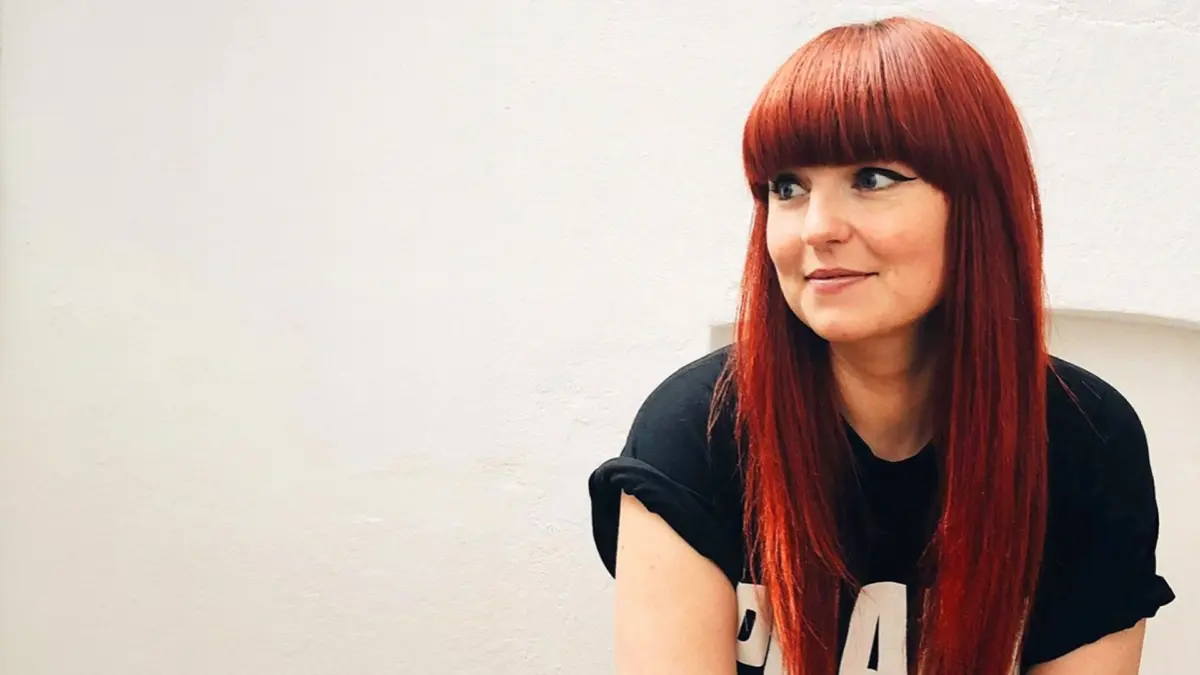
This was the role she had aspired to for years, the culmination of nearly two decades of hard work. Yet, upon arriving at the director level, she found herself surrounded by peers who had once been her bosses. This shift in dynamic triggered a period of intense self-doubt. She felt that she didn’t operate in the same way they did and was secretly convinced that she didn’t measure up to their perceived brilliance.
The turning point for Templeman came through tangible success. After leading a major pitch and winning the account, she had a realization that fundamentally changed her perspective on leadership. She realized that her difference was actually her strength. "It made me realize that it was actually a good thing I wasn’t exactly like them, because my approach was working," she said.
This experience taught her that there is no monolithic "right way" to be a creative leader. A healthy, high-performing team requires a diverse mix of personalities and perspectives. By accepting that her unique approach was sufficient, she was able to shed the weight of self-doubt and focus on leading her team in a way that felt authentic to her.
The Human vs. The Algorithm: A Creative Pet Peeve
As artificial intelligence continues to permeate every facet of the design world, Templeman remains cautious about its role in the creative process—specifically when it comes to feedback and critique. One of her primary pet peeves is the growing tendency to use AI to evaluate creative work.
From Templeman’s perspective, relying on an algorithm for feedback is a "slippery slope." A bot, no matter how sophisticated, lacks the ability to understand the specific nuances of a brief, the cultural context of a brand, or the emotional core of the problem being solved. More importantly, she argues that using AI for critique strips human designers and clients of their own agency, ignoring the "gut feeling" and lived experience that are essential to groundbreaking work.
"AI is quite literally built on what’s already been done," Templeman pointed out. In an industry where the goal is often to disrupt the status quo and create something genuinely "brave," an algorithm will almost always lean toward the safe, the average, and the established. She believes that while AI can be a useful tool for sharpening or condensing existing opinions, the final decision-making power must remain in human hands. For Templeman, the most successful creative partnerships are built on honest, human conversations and the courage to trust one’s instincts over an algorithm’s data-driven suggestions.