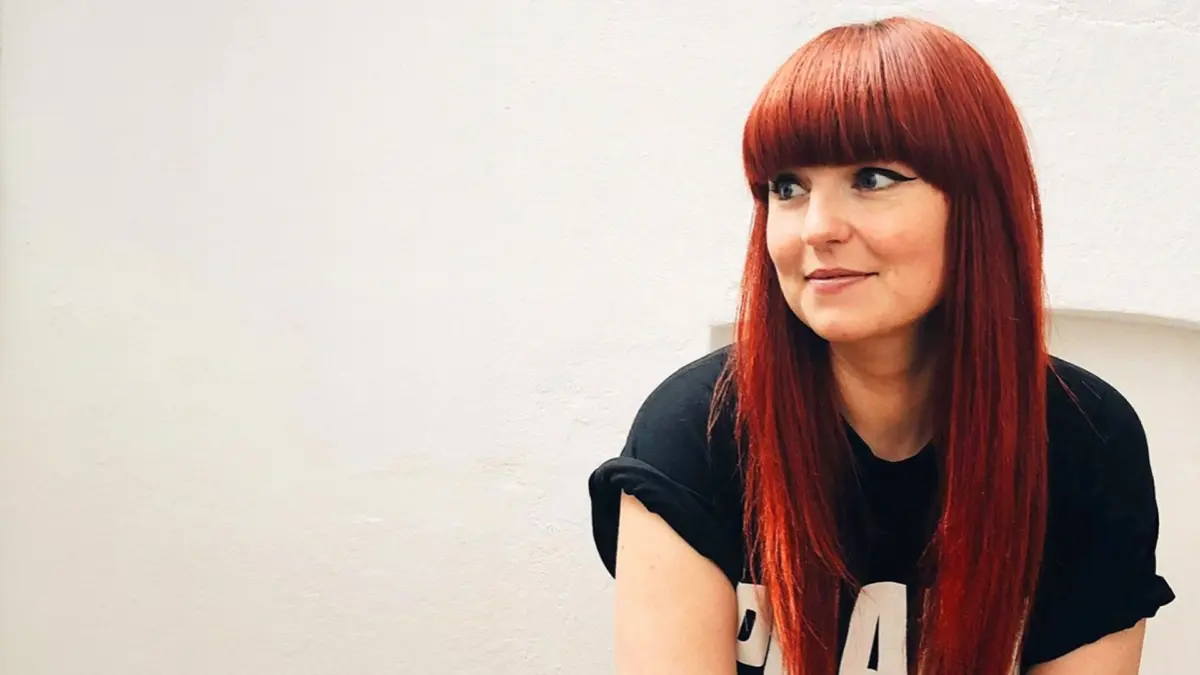
In the fast-paced world of global brand strategy and design, few names carry as much weight as Pearlfisher, an agency that has built its reputation on the concept of "irresistible human connection." At the helm of this creative powerhouse is Chloë Templeman, the Executive Creative Director whose career has spanned nearly two decades of shifting trends, digital revolutions, and the evolving landscape of consumer behavior. Originally from Scotland, Templeman spent 17 years honing her craft within the competitive environment of London’s top-tier agencies. Her portfolio is a testament to her versatility, featuring work for iconic heritage brands like Fortnum & Mason, global spirits giants like Diageo, and the consumer goods behemoth Unilever.
Beyond her responsibilities in the studio, Templeman has become a vocal advocate for the future of the industry. As a long-standing mentor across various programs, she has dedicated a significant portion of her career to fostering the next generation of design talent. She is particularly focused on bridging the gender gap in the creative sector, actively working to ensure that more women find their way into leadership roles—a mission that remains critical in an industry where the creative direction of global brands is still disproportionately male-led.
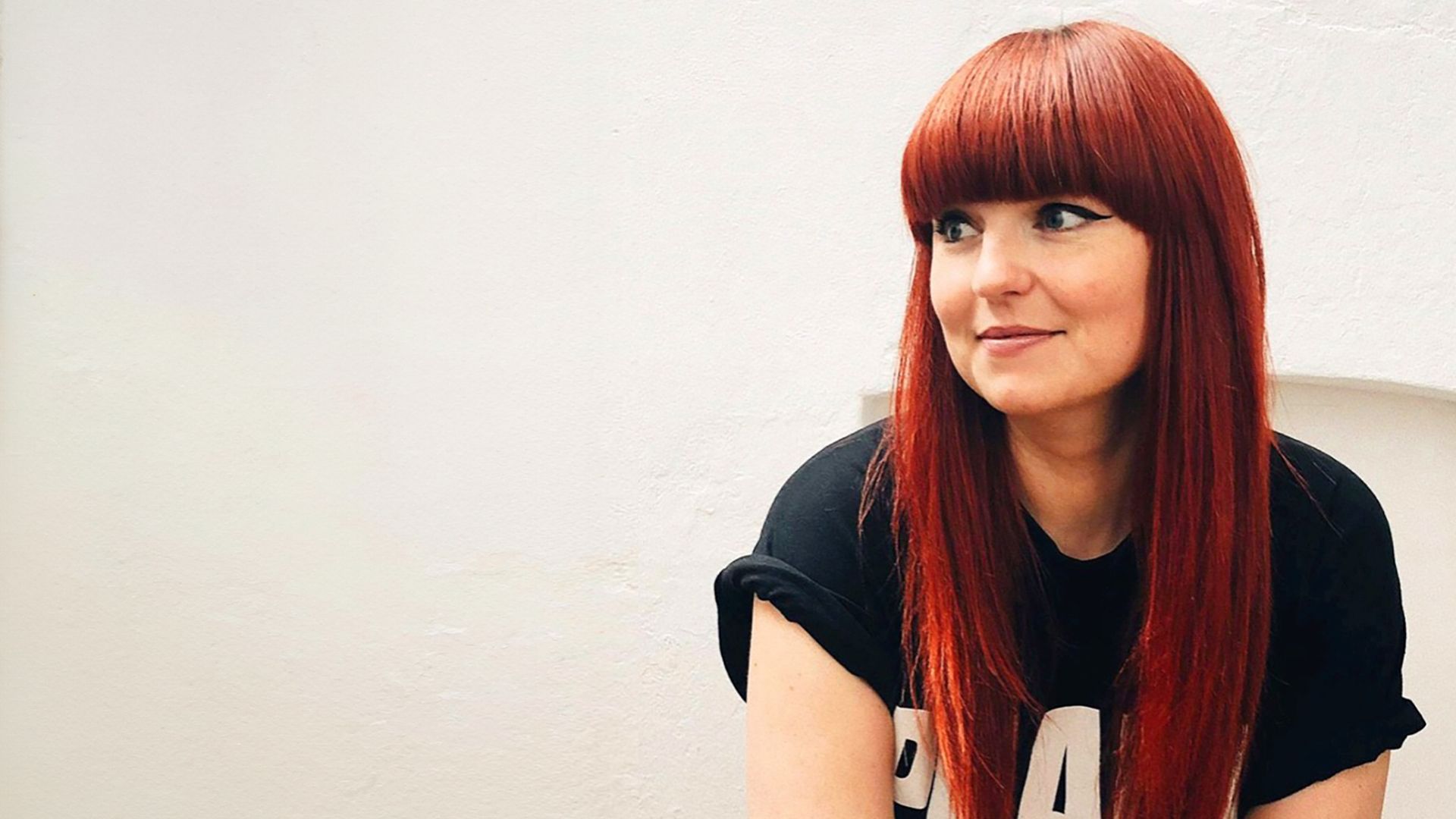
In a recent installment of the "5 Questions" series, Templeman sat down to share her insights into the nuances of the creative process. The conversation delved into the psychological hurdles of leadership, the polarizing trends currently shaping visual culture, and the "always-on" nature of a mind wired for design.
The Allure of "So Bad It’s Good"
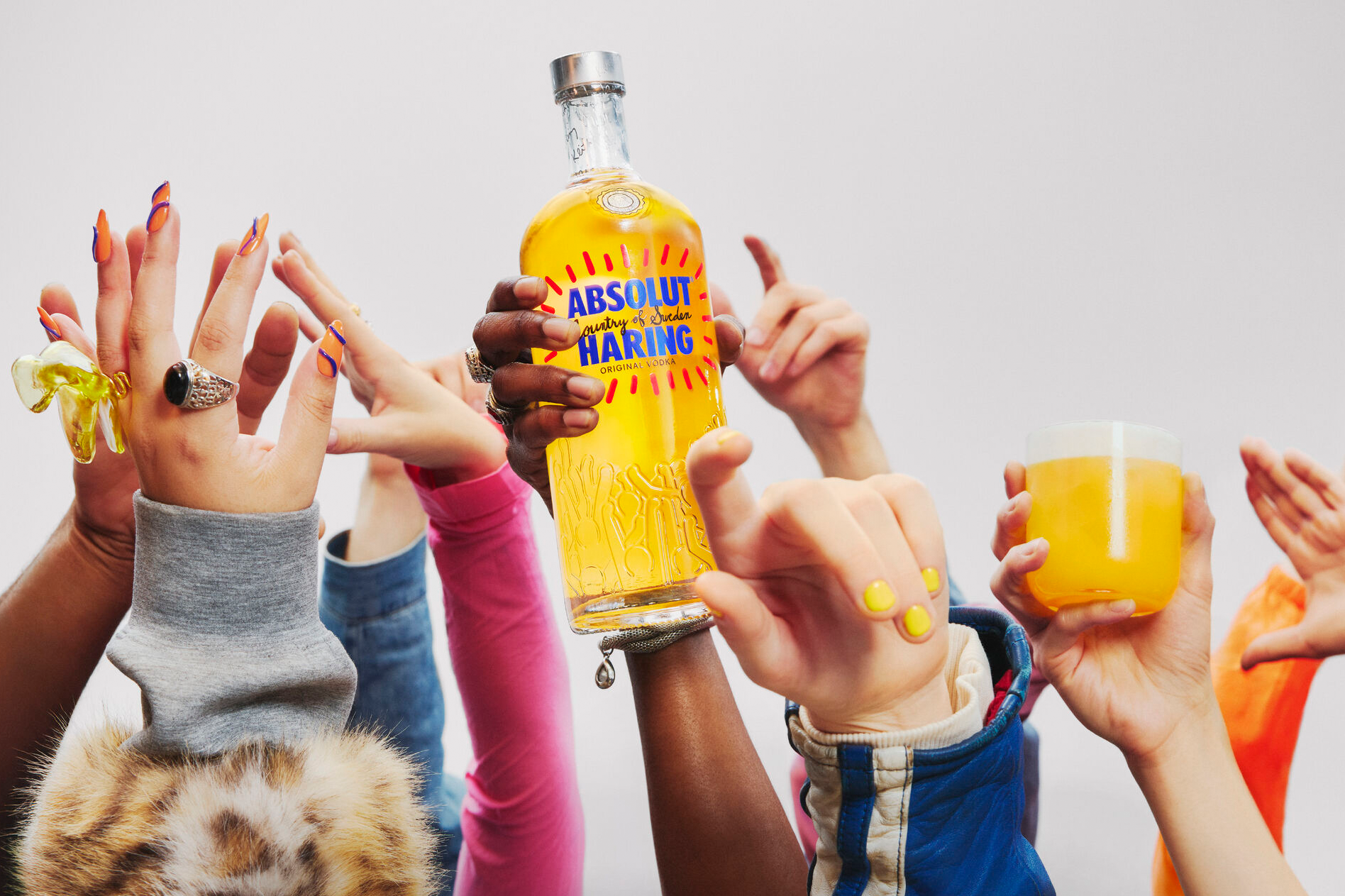
One of the most intriguing developments in modern design is the move away from the hyper-polished, "perfect" aesthetics that dominated the early 2010s. When asked about the "ugliest" design trends she secretly loves, Templeman pointed toward the intentional chaos of the "anti-design" movement. This trend is characterized by a deliberate rejection of traditional grid systems, "bad" font choices, and a visual language that many would traditionally label as clumsy or unrefined.
Templeman observes a resurgence in lo-fi graphics and the use of cringeworthy clip art that feels like a direct throwback to the early nineties. For many designers of her generation, this aesthetic evokes the nostalgia of being a child tinkering on MS Paint—a time when digital creation was new, unpolished, and largely experimental. However, she notes that there is a sophisticated irony at play in the modern revival of this style.
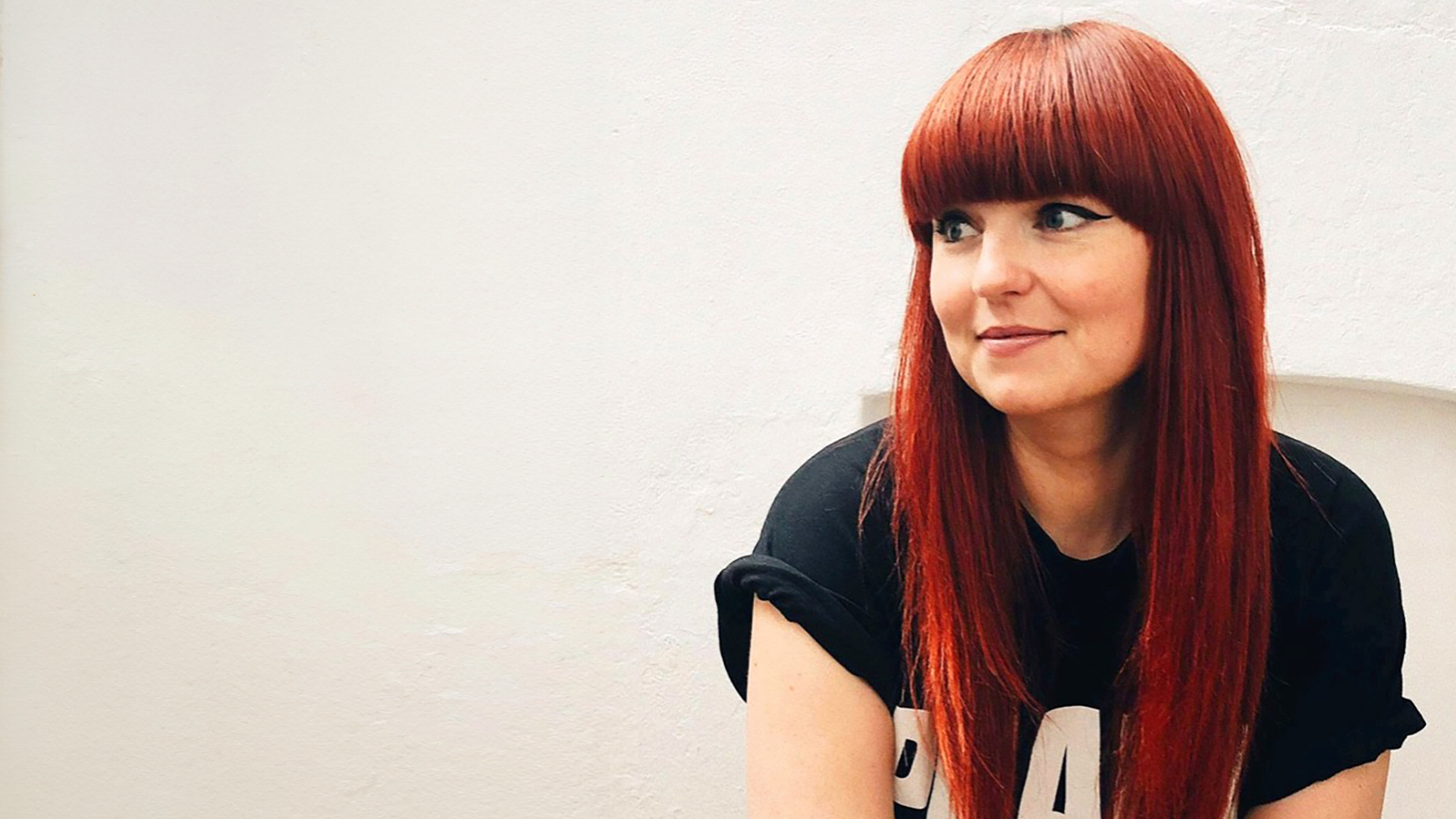
"There’s a real charm in this intentional chaos that makes me smile," she explained. According to Templeman, pushing "objectively bad" design until it loops back around to becoming iconic requires a masterful touch. It isn’t just about making something messy; it’s about understanding the rules of design well enough to break them in a way that remains communicative and impactful. When applied in the right context, this "anti-design" approach injects a sense of playfulness and humanity into a landscape that can often feel overly sanitized. For Templeman, it is a nostalgic guilty pleasure that, when executed correctly, becomes "secretly so good."
Navigating the Shadows of Imposter Syndrome
Despite her high-profile successes and her current status as an Executive Creative Director, Templeman is refreshingly candid about the internal struggles that often accompany professional growth. Imposter syndrome is a pervasive issue in the creative industries, particularly for women who are climbing the ranks of leadership. Templeman admits that she was not immune to these feelings, and they hit her hardest at what should have been one of the proudest moments of her career: her promotion to Creative Director.
This was the role she had aspired to for years, the culmination of nearly two decades of hard work. Yet, upon arriving at the director level, she found herself surrounded by peers who had once been her bosses. This shift in dynamic triggered a period of intense self-doubt. She felt that she didn’t operate in the same way they did and was secretly convinced that she didn’t measure up to their perceived brilliance.
The turning point for Templeman came through tangible success. After leading a major pitch and winning the account, she had a realization that fundamentally changed her perspective on leadership. She realized that her difference was actually her strength. "It made me realize that it was actually a good thing I wasn’t exactly like them, because my approach was working," she said.
This experience taught her that there is no monolithic "right way" to be a creative leader. A healthy, high-performing team requires a diverse mix of personalities and perspectives. By accepting that her unique approach was sufficient, she was able to shed the weight of self-doubt and focus on leading her team in a way that felt authentic to her.
The Human vs. The Algorithm: A Creative Pet Peeve
As artificial intelligence continues to permeate every facet of the design world, Templeman remains cautious about its role in the creative process—specifically when it comes to feedback and critique. One of her primary pet peeves is the growing tendency to use AI to evaluate creative work.
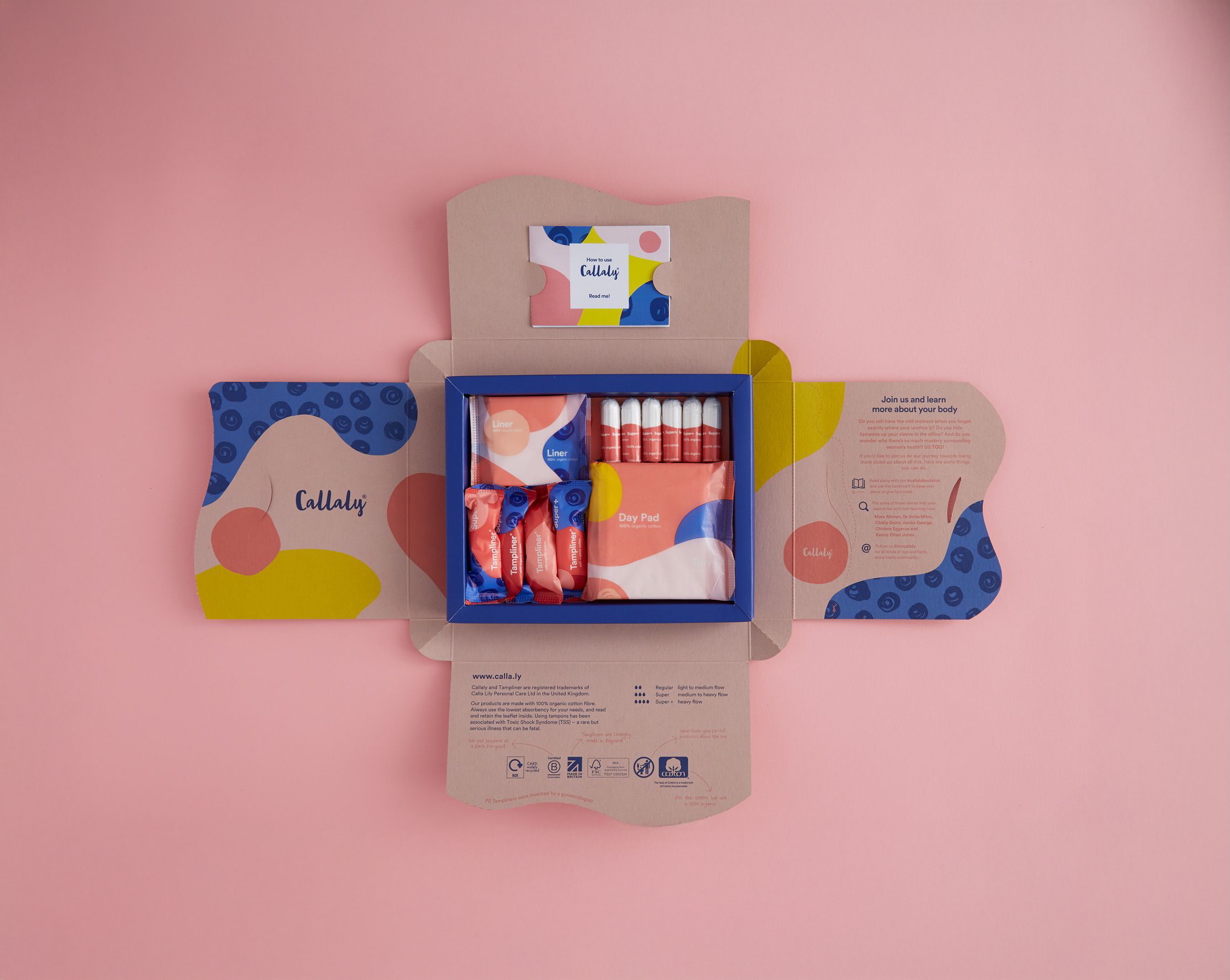
From Templeman’s perspective, relying on an algorithm for feedback is a "slippery slope." A bot, no matter how sophisticated, lacks the ability to understand the specific nuances of a brief, the cultural context of a brand, or the emotional core of the problem being solved. More importantly, she argues that using AI for critique strips human designers and clients of their own agency, ignoring the "gut feeling" and lived experience that are essential to groundbreaking work.
"AI is quite literally built on what’s already been done," Templeman pointed out. In an industry where the goal is often to disrupt the status quo and create something genuinely "brave," an algorithm will almost always lean toward the safe, the average, and the established. She believes that while AI can be a useful tool for sharpening or condensing existing opinions, the final decision-making power must remain in human hands. For Templeman, the most successful creative partnerships are built on honest, human conversations and the courage to trust one’s instincts over an algorithm’s data-driven suggestions.
The Lifestyle of a Creative Mind
One of the most common misconceptions about the design industry is that it follows the standard 9-to-5 workday. For Templeman, the reality is far different. She views creativity not as a job that one clocks out of, but as a fundamental lifestyle and a way of perceiving the world.
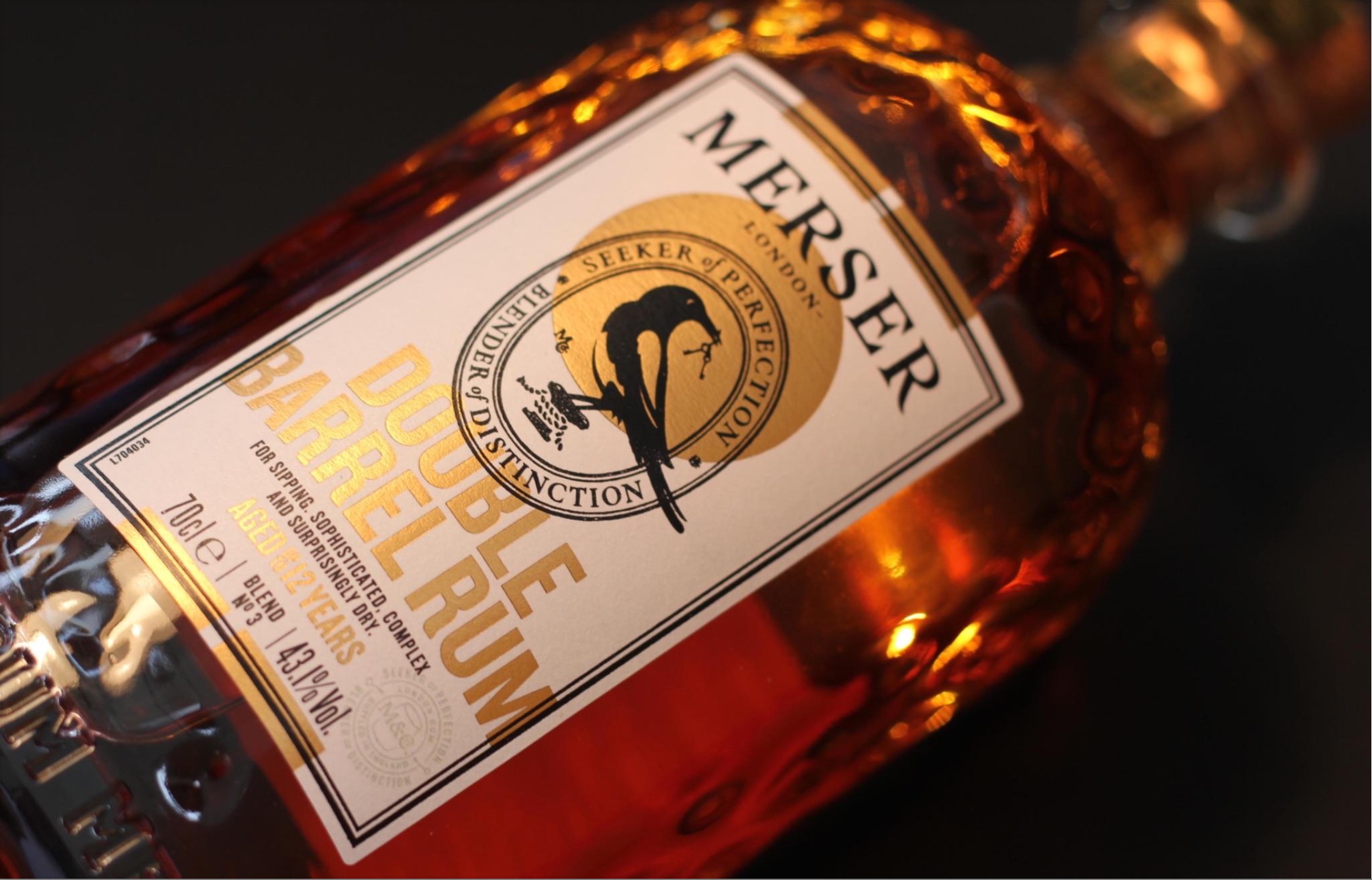
She describes the creative brain as being "always on," a drive that she feels is inherently wired into her. Even after closing her laptop for the day, the process of gathering inspiration and processing ideas continues. "I see the world through a completely different lens; my eyes and ears are constantly open and pulling inspiration from the most unexpected places 24/7," she explained.
While the "always-on" nature of the industry can be demanding, Templeman finds a deep sense of fulfillment in it. This constant state of observation and ideation is, in her view, what allows a designer to bring fresh energy and unique perspectives to their work. It is a deep-rooted passion that blurs the lines between professional duty and personal identity, ensuring that the work is always infused with a sense of genuine curiosity.
A Legacy of Bravery: Gaisgeil
When reflecting on how she would like to be remembered, Templeman looks to her Scottish roots for a word that encapsulates her professional and personal philosophy: Gaisgeil.

This Scottish Gaelic term is deeply empowering, translating roughly to someone who is not only brave but also fiercely capable. It describes a person who possesses an unwavering determination to achieve their goals and does so with an intense passion. For Templeman, Gaisgeil represents the intersection of courage and competence—the ability to face the challenges of the creative industry with a bold spirit while maintaining the skill set necessary to deliver world-class results.
As she continues to lead Pearlfisher into new territories of brand design, Chloë Templeman remains a figure defined by this blend of heritage, experience, and a commitment to the human element of design. Her journey serves as a reminder that in an era of rapid technological change, the most "irresistible" connections are still those forged by human intuition, diverse perspectives, and a touch of "gaisgeil" bravery.