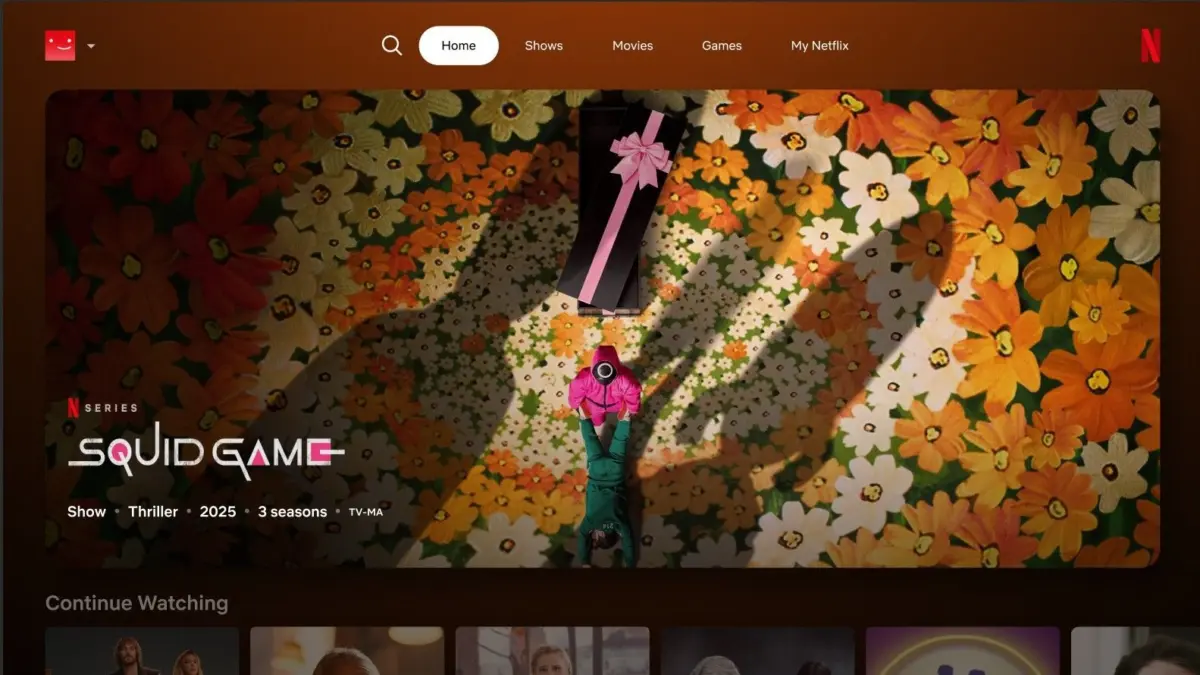
A clear pattern has emerged from these developments. Advertisements are initially introduced as a low-cost "choice" for the consumer. Once the market becomes accustomed to the presence of ads, the price gap between the ad-supported and ad-free tiers is widened. Eventually, the ad-free experience is repositioned not as the standard, but as a luxury product. Even the "budget" options are not immune to inflation; Netflix’s ad-supported tier has already seen a price increase of over 30 percent, rising from £5.99 to £7.99 in a relatively short span of time.
The Shift from Growth to Profitability
The transition toward advertisements and higher subscription fees is not necessarily driven by a desire to frustrate the audience, but rather by the cold reality of corporate economics. For much of the last decade, the streaming wars were defined by a "growth at all costs" mentality. Investors and Wall Street analysts were less concerned with immediate profits and more focused on the total number of subscribers a platform could amass. As long as the subscriber count was climbing, companies were permitted to sustain massive financial losses while spending billions on original content.
This paradigm shifted abruptly in 2022. That year, Netflix reported its first quarterly loss of subscribers in over a decade. The news sent shockwaves through the financial sector, causing a massive sell-off of streaming stocks and a fundamental change in how these companies are valued. Almost overnight, the focus shifted from subscriber growth to profitability and "Average Revenue Per User" (ARPU).
The problem facing these companies is that the market for streaming has reached a point of saturation. In regions like the UK and the US, most people who want a streaming service already have one. With the era of rapid subscriber acquisition coming to an end, companies must find ways to extract more revenue from the customers they already have. There are only two primary levers they can pull to achieve this: they can raise subscription prices, or they can sell advertising space. By introducing an ad-supported tier, a streaming service can effectively do both at once.
The Re-Invention of the Cable Package
The current state of the streaming market bears a striking resemblance to the very system it was supposed to replace. A decade ago, consumers were "cord-cutting" to escape the expensive, bloated packages offered by cable and satellite providers. Today, a consumer who wants access to the most popular shows and live sports must juggle multiple monthly subscriptions, many of which now feature ad breaks, sponsorships, and promotional "pre-roll" content.