Furthermore, the industry is seeing a return to "bundling." In the UK, streaming services are increasingly being packaged together by traditional providers like Sky and Virgin Media. In the United States, Disney has begun selling a single package that includes Disney+, Hulu, and Max (formerly HBO Max). We are witnessing the "Great Re-bundling," where the various components of the streaming world are being pulled back together into a structure that looks remarkably like the old cable TV model, albeit delivered over the internet rather than a coaxial cable.
While the convenience of having all content in one place is returning, it comes with the same drawbacks that drove people away from cable in the first place: rising costs, the presence of commercials, and the complexity of managing various service tiers. The digital revolution promised a new way of consuming media, but the economic realities of the industry have led it back to a familiar destination.
The Power of the Consumer
Despite the creeping costs and the return of advertisements, consumers today possess one significant advantage that the cable customers of the past did not. In the era of satellite and cable, cancelling a service was often a bureaucratic nightmare, involving long phone calls with retention departments and the physical return of hardware. In the streaming era, the power dynamic is slightly different.
Cancelling a streaming subscription remains a relatively simple process that can be completed in seconds through a web browser or app. There are no engineers required to visit the home, and no long-term contracts holding the viewer hostage. This flexibility allows for a "churn and return" strategy, where viewers subscribe to a service for a single month to watch a specific show and then immediately cancel once they are finished.
Additionally, the rise of "FAST" services—Free Ad-supported Streaming TV—provides a viable alternative for those who are tired of paying rising monthly fees. These platforms offer a wealth of content for free, acknowledging from the outset that ads are part of the experience, rather than surprising paying customers with them later.
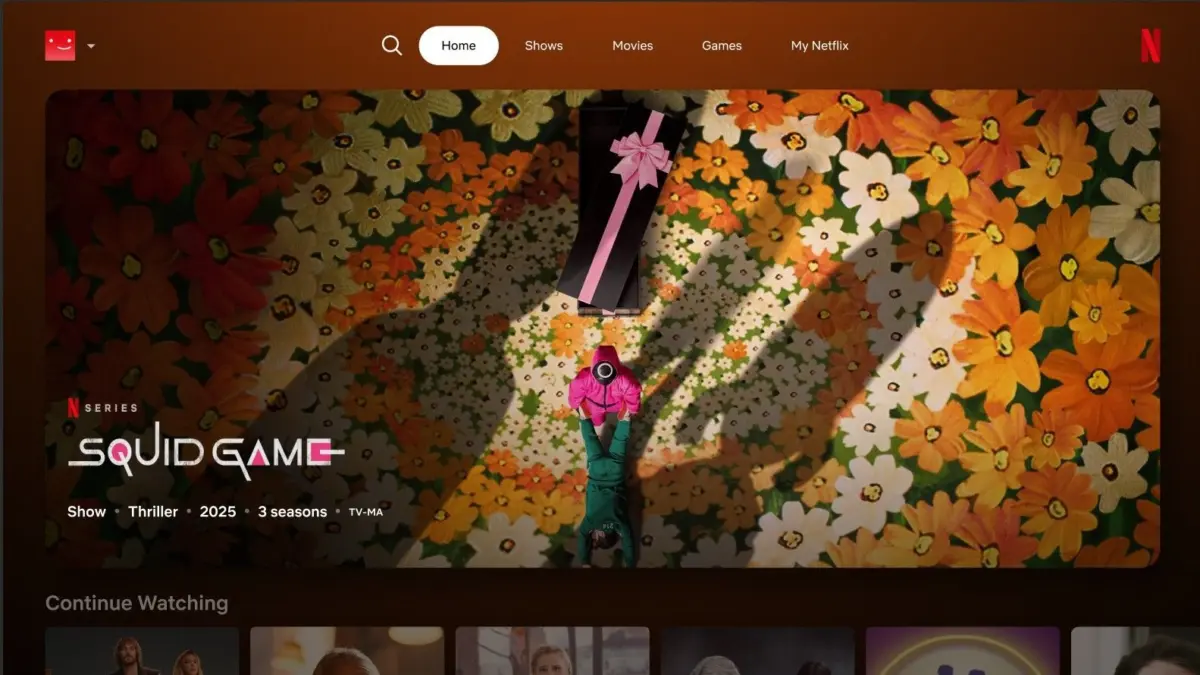
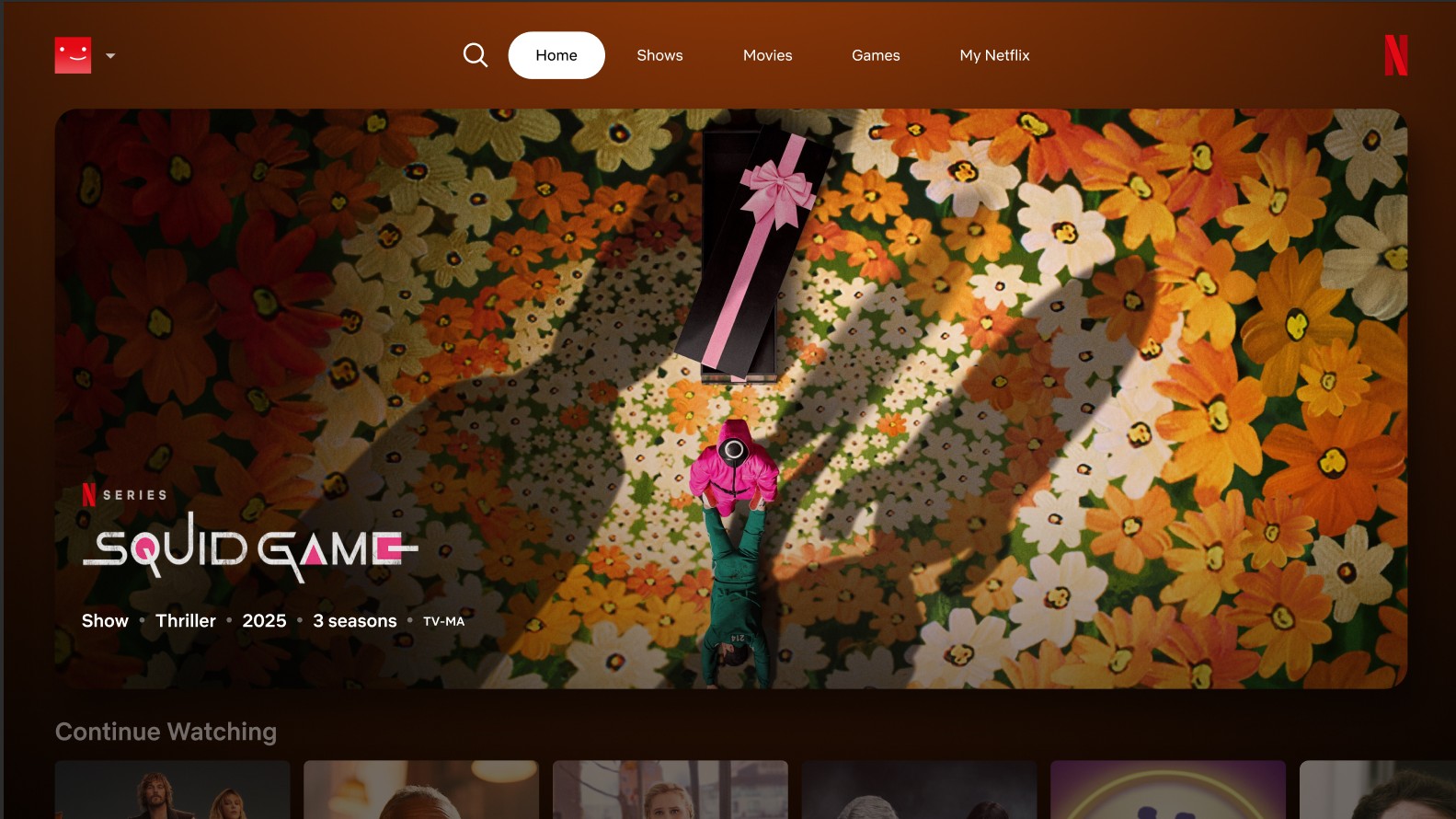
As streaming interfaces become increasingly cluttered with promotional cards and "Continue Watching" banners are pushed further down the screen to make room for advertisements, the consumer’s ultimate weapon remains the "cancel" button. In a market where the value of a subscription is being constantly re-evaluated, the ability to walk away may be the only thing keeping the costs of the "new cable" from spiralling even further.