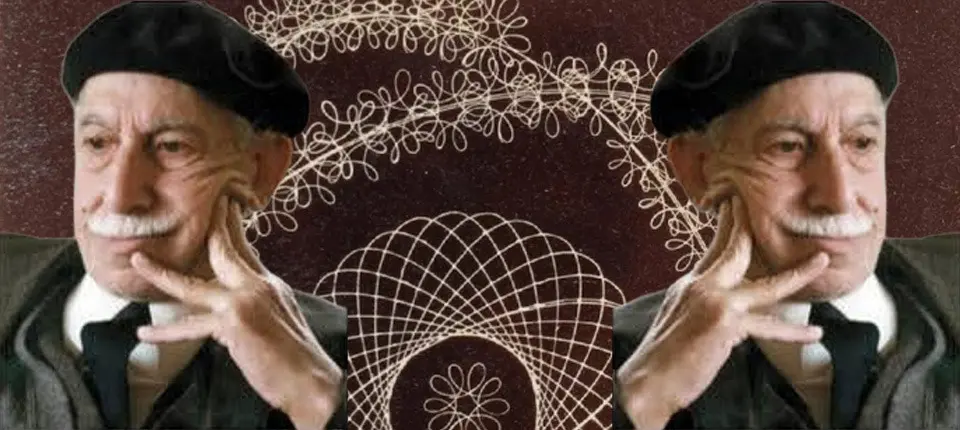
The legacy of Tawfiq al-Hakim is also inextricably linked to the success of his contemporaries and successors. He paved the way for the likes of Naguib Mahfouz, the Nobel laureate who often spoke of al-Hakim’s foundational influence. While Mahfouz mastered the novel, al-Hakim provided the intellectual framework that allowed the Arabic language to flourish in various modern literary forms. His insistence on using a "middle language"—a bridge between the formal classical Arabic and the spoken Egyptian dialect—made literature more accessible and expressive for the modern age.
As the sun sets on October 9, 2026, the celebration of Tawfiq al-Hakim’s birth serves as a reminder of the enduring power of the written word. In a career that spanned the transition from monarchy to republic, and from colonial occupation to independence, al-Hakim remained a steadfast observer of the human heart. He was a man who understood that while political regimes may change and technologies may evolve, the fundamental questions of identity, justice, and the search for meaning remain constant.
Today, Tawfiq al-Hakim is remembered not just as a pioneer of Arabic drama, but as a universal writer whose themes resonate across borders. Whether through the philosophical depth of his plays, the social insight of his novels, or the quiet wisdom of his essays, his voice continues to speak to those who seek to understand the complexities of the modern world. The literary internet, in highlighting his birth today, ensures that the spirit of this Alexandrian visionary continues to inspire, challenge, and enlighten readers for generations to come.
The world of 2026 is vastly different from the world into which al-Hakim was born in 1898, yet his work remains a vital part of the cultural conversation. By honoring his birth, we honor the courage it takes to forge a new literary path and the intellectual rigor required to maintain a sense of balance in a chaotic world. Tawfiq al-Hakim’s journey, from the theaters of Paris to the heart of Egyptian intellectual life, remains a testament to the transformative power of literature.