Furthermore, the study highlights a fascinating parallel between biological brains and artificial intelligence. Modern Large Language Models (LLMs), such as those that power advanced AI chatbots, operate on a principle very similar to the predictive coding observed in the study. These AI systems analyze massive datasets to predict the most statistically likely next word in a sequence.
The fact that the human hippocampus does something similar while unconscious suggests that predictive modeling is a universal strategy for making sense of information, whether in a biological or silicon-based system. By studying these similarities, researchers hope to gain a better understanding of how both natural and artificial intelligence function.
Paving the Way for Future Technologies
Beyond the theoretical, the Baylor study offers tangible hope for the development of new medical technologies, particularly in the field of brain-computer interfaces (BCIs).
If the brain continues to process language even when a person cannot speak or respond, scientists might be able to tap into those signals to help patients with severe neurological injuries. This could lead to the creation of advanced speech prosthetics for individuals who have lost the ability to communicate due to stroke, traumatic brain injury, or conditions like ALS.
"Can we use these signals to deploy and run a speech prosthetic for some of the parts of the brain that are damaged by stroke or injury?" asked Dr. Vigi Katlowitz, the study’s first author and a neurosurgery resident at Baylor. "These are questions that we can now consider in relation to this part of the brain."
By identifying the specific neural signatures of language processing, researchers may eventually be able to translate a patient’s internal "predictions" or "thoughts" into synthesized speech, providing a voice to those who have been silenced by illness or injury.
A New Frontier of the Mind
Despite the excitement surrounding these findings, the researchers are careful to note the limitations of their work. The study focused on a specific type of general anesthesia and a specific region of the brain. It remains to be seen if these same processes occur during other states of unconsciousness, such as natural sleep or a coma.
Additionally, because the study focused on the hippocampus, further research is needed to see how other parts of the brain contribute to these unconscious processes and how they might interact when the "global" network of the brain is re-engaged upon waking.
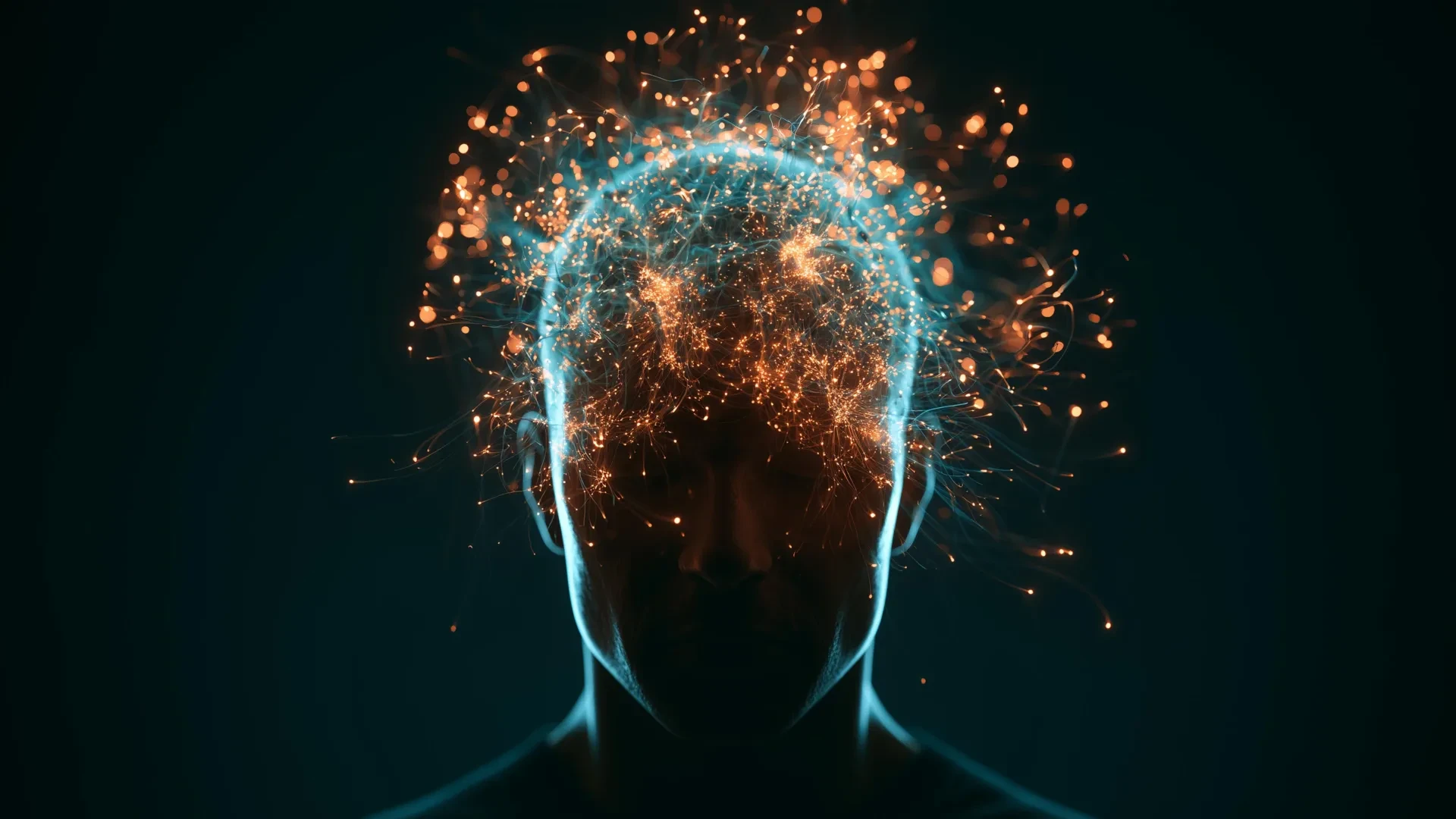
Nevertheless, the Baylor research marks a turning point in our understanding of the human mind. It suggests that the boundary between the conscious and the unconscious is far more porous than we once imagined. Even in the deepest sleep of anesthesia, the brain remains an active, learning, and predicting entity, working tirelessly behind the scenes.
As Dr. Sheth concluded, "This work pushes us to rethink what it means to be conscious. The brain is doing much more behind the scenes than we fully understand, proving that even in silence, the mind is never truly still."