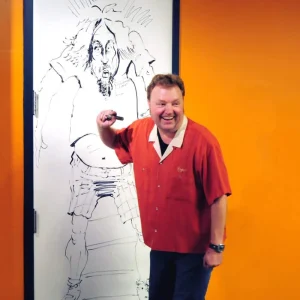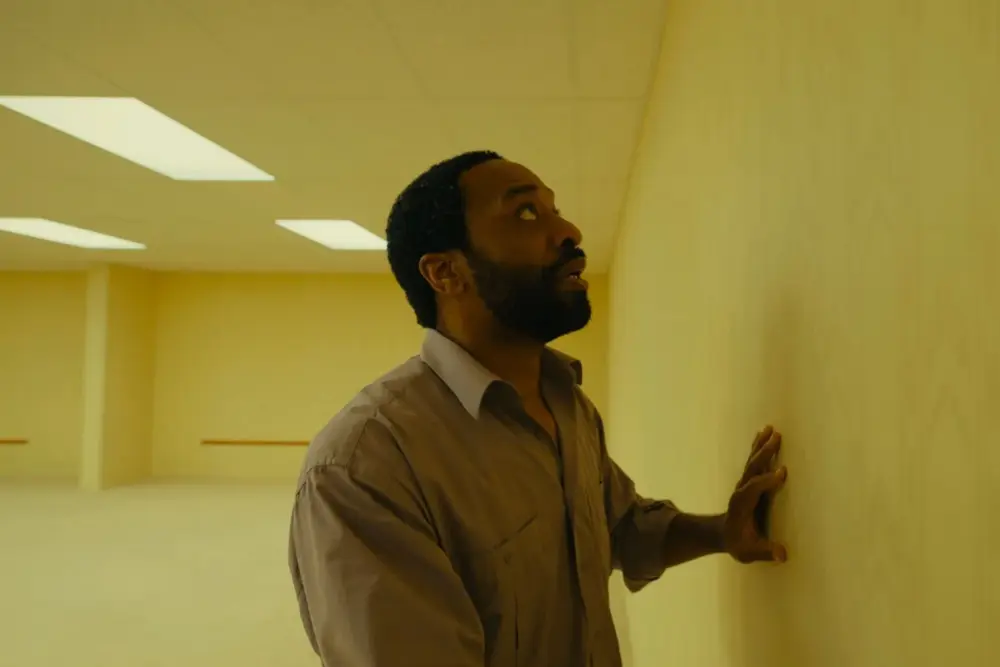
While the focus remained on the rising stars of the digital age, the panel did not ignore the traditional blockbusters that continue to anchor the industry. Robbie Brenner was asked about the future of the "Barbie" franchise following Greta Gerwig’s massive success. Brenner’s response was a reminder that while the industry is looking for new IP, it is also eager to sustain its current hits.
"Look, we all wanna have a ‘Barbie’ sequel," Brenner said. "I mean, who doesn’t wanna see the sequel to ‘Barbie’? And I’m sure at some point in time there will be one. We all want it to happen. We’ll see."
The intersection of traditional institutions and new-age platforms was further highlighted when Bill Kramer discussed the Academy’s future. In a move that mirrors the shifting tides of media consumption, the Academy of Motion Picture Arts and Sciences has secured a multi-year agreement with YouTube. Starting in 2029 and running through 2033, the deal grants YouTube exclusive global rights to stream the Oscars live and free worldwide.
Kramer, who described the agreement as "a very good deal," noted the importance of such partnerships for the Academy’s longevity. "We are a nonprofit, so this also allows us to sustain our great work," he added, smiling. This partnership underscores a broader trend: even the most venerable institutions in Hollywood are recognizing that their survival depends on meeting the audience where they live—on platforms like YouTube.
As the Zurich Summit concluded, the prevailing message was one of cautious optimism and necessary adaptation. The industry is no longer just "capitalizing on momentum"; it is witnessing a fundamental change in the DNA of cinema. The success of Kane Parsons has demonstrated that the next generation of filmmakers is not waiting for permission to create. They are building their worlds in the decentralized spaces of the internet and bringing their audiences with them when they finally decide to step into the "closed room" of the movie theater.
For Parsons, the goal remains the preservation of creative integrity amidst the noise of marketing and genre expectations. As he navigates the high-stakes world of $400 million sequels and panels with industry titans, he remains a spokesperson for a generation that is tired of the "spiral" and hungry for something that feels genuinely new. Whether the industry can keep up with this shift remains to be seen, but for now, the path forward seems to lead directly through the digital landscapes that creators like Parsons have spent years cultivating.