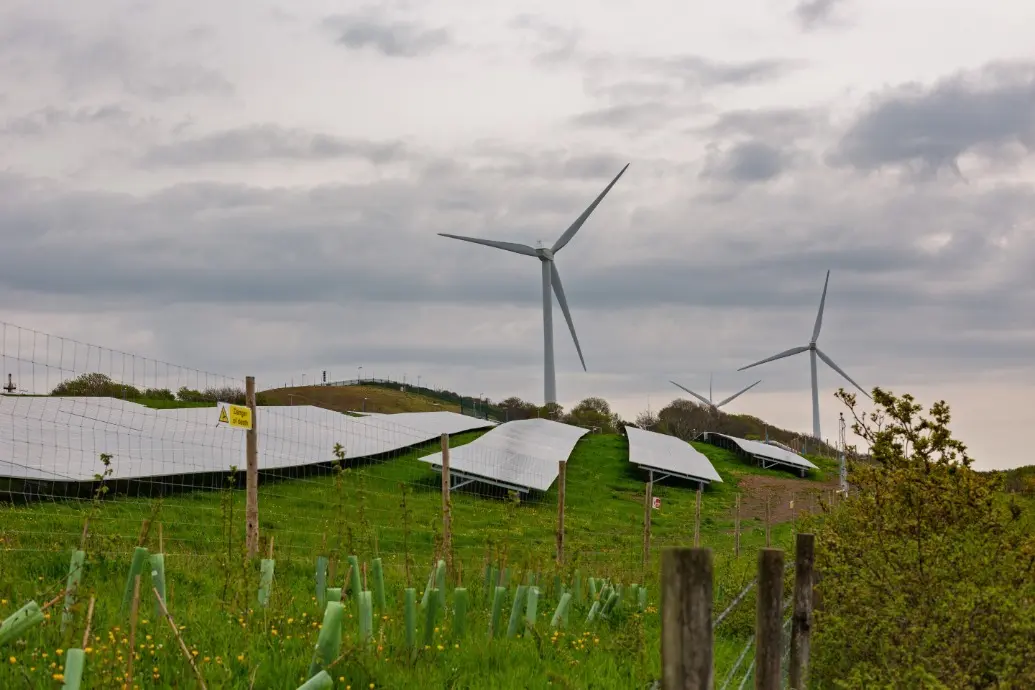
Energy Secretary Miatta Fahnbulleh has been a vocal proponent of this democratic approach to power generation. In her remarks regarding the new funding, she emphasized that the transition to clean energy must be inclusive if it is to be successful. According to the Energy Secretary, every citizen deserves a stake in the nation’s energy future. Through these local power projects, she noted, communities are finally being given the opportunity to reap the full rewards of the renewable revolution. By reducing carbon emissions and cutting energy bills simultaneously, the program aims to prove that environmental responsibility and economic prosperity are not mutually exclusive. Fahnbulleh underscored that the primary goal is to ensure that profits are reinvested to benefit local areas, providing a direct alternative to the traditional model where big energy companies extract value from local resources with little return for the residents.
This pivot toward community-led energy is also a move to bring the United Kingdom into alignment with international best practices. The government has pointed to countries such as Germany and Denmark as primary examples of where this approach has already achieved widespread success. In Denmark, a significant portion of the country’s wind energy capacity has historically been owned by local cooperatives, a model that helped build public support for the technology while ensuring that the benefits were distributed fairly. Similarly, Germany’s "Energiewende" or energy transition has been characterized by a high degree of citizen participation, with individuals and local cooperatives playing a central role in the country’s shift away from fossil fuels. By adopting a similar framework, the UK hopes to replicate the resilience and public buy-in seen in these European neighbors.
The economic implications for Wales are particularly significant. For decades, many communities in the region have felt the impact of industrial decline and rising costs. By creating a system where energy is produced and managed locally, the government is effectively seeding a new industry that is rooted in the community. This "local wealth building" strategy is designed to create jobs in the installation and maintenance of renewable technologies and to foster a new generation of expertise in the green economy. Furthermore, by providing a buffer against the volatility of global fossil fuel markets, community energy projects can offer long-term price stability for residents, protecting them from the sudden price hikes that have characterized the energy market in recent years.
Beyond the economic and social benefits, the environmental impact of the £30 million investment is a cornerstone of the policy. Small-scale, decentralized energy projects are a vital component of a modern, flexible power grid. They reduce the need for long-distance transmission, which can result in energy loss, and they encourage the efficient use of local resources. As the UK strives to meet its international climate obligations, the cumulative effect of hundreds of local solar, wind, and hydro projects could be substantial. By empowering communities to take charge of their carbon footprint, the government is effectively mobilizing a grassroots army in the fight against global warming.