The funding package is intended to empower towns, villages, and local organizations across Wales to take full control of their own clean energy supplies. By fostering a sense of ownership and agency, the program seeks to achieve a triple-tiered objective: the drastic reduction of household energy bills, the stimulation of local economic growth through the retention of profits, and a concerted effort to combat the escalating threats of climate change. This strategic investment follows a period of anticipation surrounding the operational rollout of GB Energy, the government’s flagship publicly owned energy company. While ministers have previously urged the public to remain patient as the institution builds its foundational capacity, this multi-million-pound commitment to Wales signals a tangible start to its mission of transforming the UK into a clean energy superpower.
The architecture of this new program is not being built in a vacuum. Instead, it is designed to integrate with and amplify the existing efforts of the Welsh Government Energy Service. For years, Wales has maintained a robust commitment to localized energy solutions, recognizing that its unique geography and close-knit communities provide an ideal testing ground for decentralized power. The influx of capital from GB Energy is expected to act as a catalyst, scaling up current projects and providing the necessary resources for ambitious new schemes that were previously hampered by a lack of upfront capital. By aligning national strategy with regional expertise, the government aims to create a seamless pipeline for community energy development that can serve as a blueprint for the rest of the country.
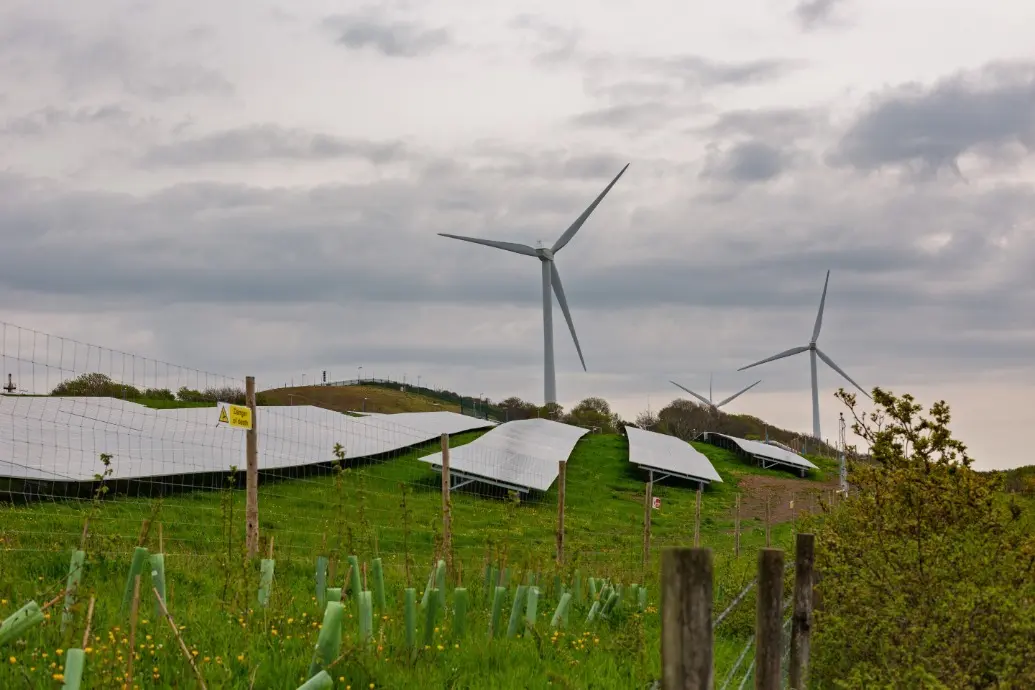
At the heart of this initiative is a focus on diverse and adaptable technologies. The £30 million will be channeled into a variety of renewable projects specifically chosen for their suitability to the Welsh environment and their ability to be managed at a local level. This includes the installation of solar panels on the rooftops of community buildings, schools, and local businesses, turning underutilized urban and rural surfaces into productive assets. Furthermore, the funding will support the development of village-owned wind farms—small-to-medium scale operations that provide clean electricity without the vast footprint of commercial industrial sites. Perhaps most significantly for the Welsh landscape, the program will also prioritize hydro schemes in rivers. Given the country’s mountainous terrain and high levels of rainfall, small-scale hydroelectricity represents a steady and reliable source of power that can operate in harmony with the natural environment.
The defining characteristic of these projects is their ownership structure. Unlike traditional energy infrastructure, which is typically owned and operated by multinational corporations, these new schemes will be the property of the community groups themselves. This shift in ownership is a deliberate policy choice intended to ensure that the financial rewards of the green transition are felt by those living in the immediate vicinity of the generation sites. When a community owns its wind turbine or solar array, the profits generated from selling excess electricity back to the grid do not vanish into the pockets of distant shareholders. Instead, that revenue remains within the local economy, where it can be used to fund local services, improve infrastructure, or be redistributed to residents to help offset the cost of living.
Energy Secretary Miatta Fahnbulleh has been a vocal proponent of this democratic approach to power generation. In her remarks regarding the new funding, she emphasized that the transition to clean energy must be inclusive if it is to be successful. According to the Energy Secretary, every citizen deserves a stake in the nation’s energy future. Through these local power projects, she noted, communities are finally being given the opportunity to reap the full rewards of the renewable revolution. By reducing carbon emissions and cutting energy bills simultaneously, the program aims to prove that environmental responsibility and economic prosperity are not mutually exclusive. Fahnbulleh underscored that the primary goal is to ensure that profits are reinvested to benefit local areas, providing a direct alternative to the traditional model where big energy companies extract value from local resources with little return for the residents.
This pivot toward community-led energy is also a move to bring the United Kingdom into alignment with international best practices. The government has pointed to countries such as Germany and Denmark as primary examples of where this approach has already achieved widespread success. In Denmark, a significant portion of the country’s wind energy capacity has historically been owned by local cooperatives, a model that helped build public support for the technology while ensuring that the benefits were distributed fairly. Similarly, Germany’s "Energiewende" or energy transition has been characterized by a high degree of citizen participation, with individuals and local cooperatives playing a central role in the country’s shift away from fossil fuels. By adopting a similar framework, the UK hopes to replicate the resilience and public buy-in seen in these European neighbors.
The economic implications for Wales are particularly significant. For decades, many communities in the region have felt the impact of industrial decline and rising costs. By creating a system where energy is produced and managed locally, the government is effectively seeding a new industry that is rooted in the community. This "local wealth building" strategy is designed to create jobs in the installation and maintenance of renewable technologies and to foster a new generation of expertise in the green economy. Furthermore, by providing a buffer against the volatility of global fossil fuel markets, community energy projects can offer long-term price stability for residents, protecting them from the sudden price hikes that have characterized the energy market in recent years.
Beyond the economic and social benefits, the environmental impact of the £30 million investment is a cornerstone of the policy. Small-scale, decentralized energy projects are a vital component of a modern, flexible power grid. They reduce the need for long-distance transmission, which can result in energy loss, and they encourage the efficient use of local resources. As the UK strives to meet its international climate obligations, the cumulative effect of hundreds of local solar, wind, and hydro projects could be substantial. By empowering communities to take charge of their carbon footprint, the government is effectively mobilizing a grassroots army in the fight against global warming.
The announcement also serves to clarify the evolving role of GB Energy. Since its inception, there has been much discussion regarding how the state-owned company would interact with the existing market. This investment in Wales suggests a collaborative and supportive role, where the central government provides the financial backbone and strategic direction, while local groups provide the initiative and ground-level management. It is a model that prioritizes public good over private profit, reflecting a broader ideological shift in energy policy.
As the program begins to roll out, the focus will turn to the practicalities of implementation. Community groups across Wales will need to navigate the complexities of planning, technical assessment, and grid connection. However, the government has signaled that the funding will be accompanied by support mechanisms to help these groups succeed. The objective is to lower the barriers to entry, making it possible for even small villages to participate in the energy market. By providing the capital and the framework, GB Energy is aiming to turn what was once a niche movement into a mainstream pillar of the British energy system.
Ultimately, this record-breaking investment is about more than just electricity; it is about the redistribution of power in its most literal sense. By moving the site of generation from massive, remote power stations to the roofs of schools and the banks of local rivers, the government is attempting to reconnect people with the energy they consume. In doing so, they hope to build a more resilient, equitable, and sustainable future for Wales and the wider United Kingdom. The success of these projects in the coming years will likely determine the pace and direction of community energy for decades to can, potentially setting a new standard for how modern nations manage their most vital resources.