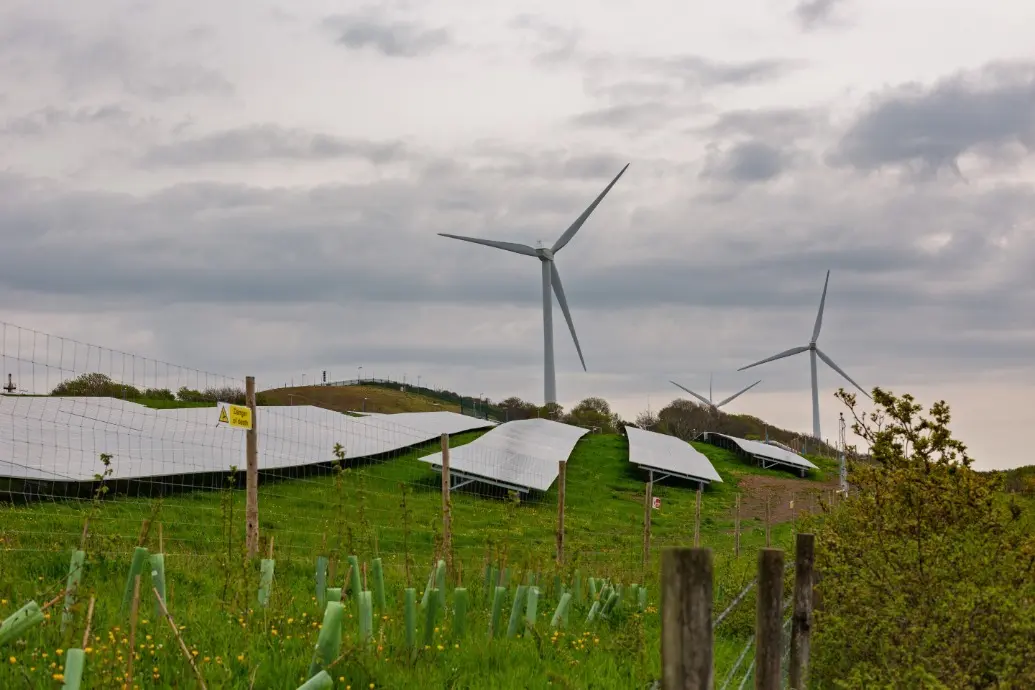
The announcement also serves to clarify the evolving role of GB Energy. Since its inception, there has been much discussion regarding how the state-owned company would interact with the existing market. This investment in Wales suggests a collaborative and supportive role, where the central government provides the financial backbone and strategic direction, while local groups provide the initiative and ground-level management. It is a model that prioritizes public good over private profit, reflecting a broader ideological shift in energy policy.
As the program begins to roll out, the focus will turn to the practicalities of implementation. Community groups across Wales will need to navigate the complexities of planning, technical assessment, and grid connection. However, the government has signaled that the funding will be accompanied by support mechanisms to help these groups succeed. The objective is to lower the barriers to entry, making it possible for even small villages to participate in the energy market. By providing the capital and the framework, GB Energy is aiming to turn what was once a niche movement into a mainstream pillar of the British energy system.
Ultimately, this record-breaking investment is about more than just electricity; it is about the redistribution of power in its most literal sense. By moving the site of generation from massive, remote power stations to the roofs of schools and the banks of local rivers, the government is attempting to reconnect people with the energy they consume. In doing so, they hope to build a more resilient, equitable, and sustainable future for Wales and the wider United Kingdom. The success of these projects in the coming years will likely determine the pace and direction of community energy for decades to can, potentially setting a new standard for how modern nations manage their most vital resources.