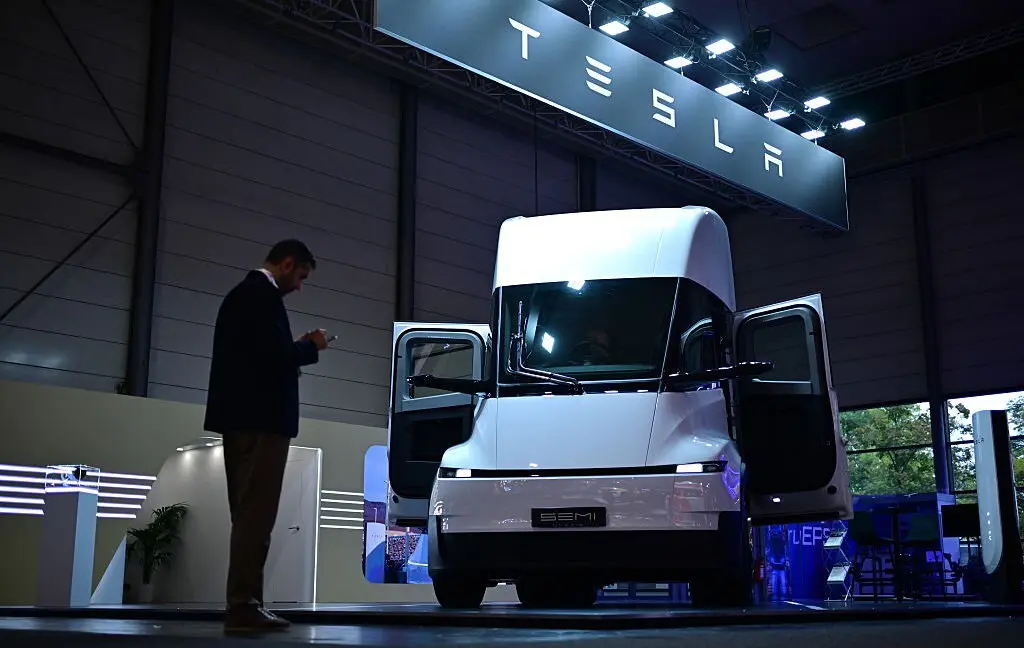
In a landmark transaction for the commercial transportation sector, a major alliance of corporate shippers—including global technology giant Microsoft and food and beverage titan PepsiCo—has placed a record-setting order for 2,500 Tesla Semi trucks. The massive commitment, which envisions vehicle deliveries beginning later this year and stretching across the next 18 months, represents a monumental shift in corporate logistics strategies. If these vehicles reach customer fleets according to schedule, the delivery of 2,500 units will effectively double the total volume of heavy-duty electric trucks currently operating on public highways across the United States.
The unified purchase underscores a growing momentum among large corporate freight users to accelerate the transition toward zero-emission logistics, even as macro-level economic headwinds and volatile regulatory policies reshape the wider automotive market. The deal was coordinated through the nonprofit Smart Freight Centre, an organization focused on decarbonizing global freight movement, which helped aggregate corporate demand to secure viable commercial terms for the participating fleets.
According to Meena Bibra, a spokesperson for the Smart Freight Centre who was directly involved in facilitating the multi-party agreement, the decision to select Tesla’s Class 8 electric truck followed an extensive comparative evaluation process. The buyer alliance subjected candidate vehicles to rigorous performance benchmarks before arriving at their selection. Fleet operators evaluated competing models primarily on metrics including upfront purchase price, operational performance, overall manufacturing capacity, and the strength of long-term service support infrastructure.
While Tesla emerged as the primary vehicle provider for this specific record-breaking order, industry observers note that fleet transition strategies remain diversified across the commercial freight sector. Carriers operating within complex logistics networks often maintain long-standing relationships with established truck manufacturers, or they may possess specific operational routes that favor different mechanical configurations. Consequently, major shipping companies continue to evaluate and procure heavy-duty electric options from alternative manufacturers, including legacy truckmakers such as Volvo and Kenworth, alongside specialized commercial vehicle developers like Ride.
A central catalyst behind the scale of the recent deal was the strategic aggregation of buying power across multiple large enterprise fleets. By pooling demand into a single, coordinated purchasing initiative, the coalition of carriers created sufficient commercial leverage to enable automakers to lower the per-unit cost of heavy-duty electric trucks. Achieving competitive pricing is increasingly critical for commercial fleets, where capital expenditure decisions are made on strict total cost of ownership calculations rather than consumer brand preferences.