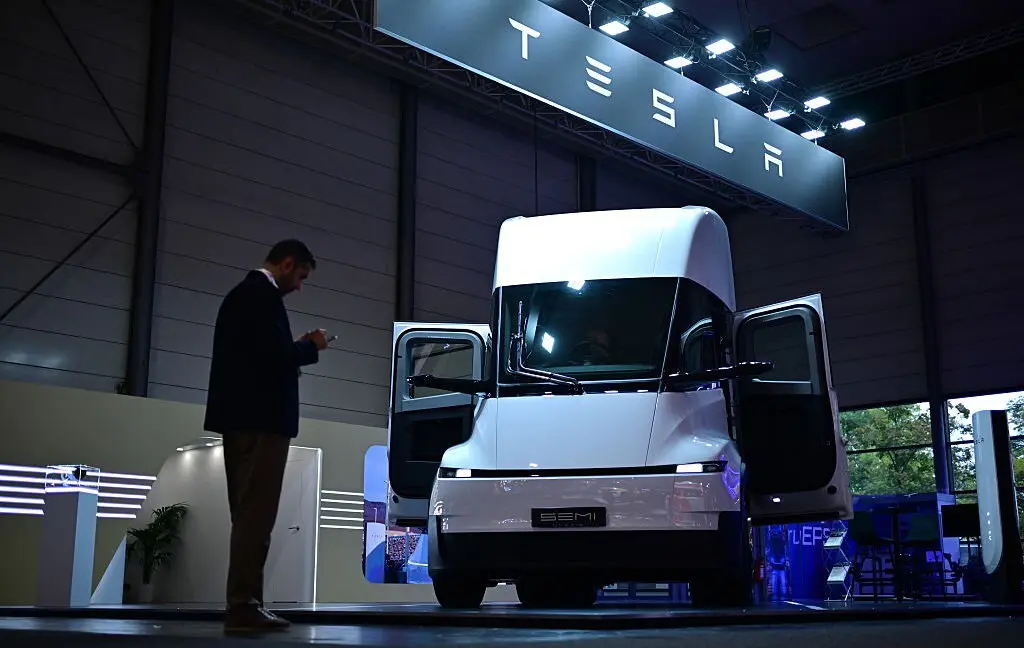
The business case for transition to battery-electric heavy transport has been further intensified by severe disruption in global energy markets. U.S. diesel fuel prices reached historic record highs this month, driven by ongoing geopolitical conflict in the Middle East. The continuing war involving Iran has caused widespread disruption to crude oil production and international shipping channels across key maritime corridors, pushing commercial fuel costs up to nearly double their levels from the same period last year.
For long-haul freight operations, where fuel routinely represents one of the largest ongoing operational expenses, the sudden doubling of diesel prices has fundamentally altered fleet economics. In a pre-taped address discussing the commercial vehicle landscape, Tesla Chief Executive Officer Elon Musk highlighted how these severe market pressures are reshaping buyer incentives. Musk noted during his remarks that deploying electric heavy trucks is beginning to make compelling financial sense for fleet operators simply because the cost of electricity remains far lower and more stable than the price of diesel fuel, particularly during periods of intense geopolitical volatility.
Musk’s commentary offered a subtle acknowledgment of the volatile geopolitical landscape, making reference to the broad economic fallout stemming from international conflicts initiated under the current presidential administration—an administration with which Musk has shared a complex and high-profile political relationship. Musk spent millions of dollars in financial contributions supporting the campaign that returned the Republican administration to the White House, and he previously served in a prominent capacity within the administration’s Department of Government Efficiency initiative.
The massive private fleet investment comes at a period of pronounced policy reversal regarding federal support for clean energy technology. Over the past year, the Trump administration and congressional Republicans enacted sweeping legislative changes that eliminated billions of dollars in federal subsidies, tax credits, and grants previously earmarked for electric vehicle deployment and charging infrastructure construction. The policy shifts represented a major contraction in government-backed incentives designed to accelerate fleet electrification across the nation.
In tandem with these funding reductions, federal regulatory agencies under the administration have moved to unwind environmental protections governing commercial transportation. Regulatory officials are currently working to lower long-term fuel economy and emissions standards for heavy-duty truck engines. These regulatory rollbacks dismantle aggressive federal climate targets that were previously established to compel engine manufacturers to systematically reduce carbon output across new commercial vehicle fleets.