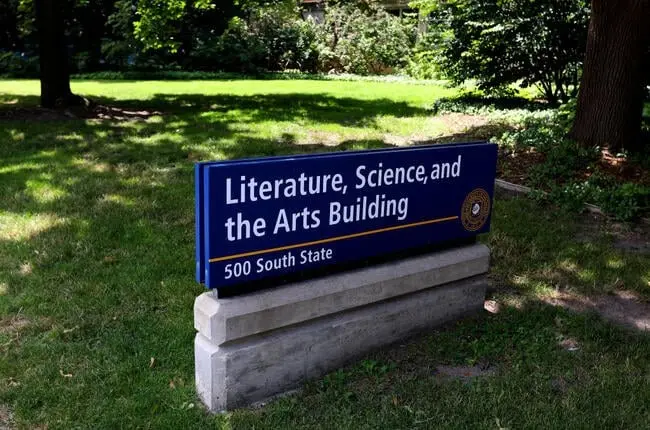
ANN ARBOR, Mich. — In a significant reversal of a policy intended to alleviate the academic pressures facing incoming freshmen, the University of Michigan’s College of Literature, Science, and the Arts (LSA) has announced an immediate pause on its recently unveiled pass–no credit grading pilot program. The decision, coming less than two months after the program’s initial announcement in August 2026, follows a wave of public scrutiny and what university leadership describes as a "distorted narrative" regarding the university’s academic standards.
The pilot program, which was scheduled to take effect for the fall 2027 entering class, would have fundamentally altered the transcript landscape for first-year students. Under the proposed model, all freshmen within the LSA—the university’s largest college—would have been graded on a pass–no credit basis during their first semester. While students would still have received traditional letter grades and detailed feedback from their instructors to gauge their progress, those marks would not have been factored into their cumulative grade point averages (GPAs), nor would the specific letter grades have appeared on official transcripts sent to external entities, such as graduate schools or prospective employers.
However, the university’s attempt to modernize its approach to the first-year transition has met with a complicated reception. In a letter addressed to the leadership of the College of Literature, Science, and the Arts and subsequently shared with Inside Higher Ed, University of Michigan President Domenico Grasso expressed deep reservations about the environment surrounding the pilot’s rollout. Grasso noted that the program had become the center of a national conversation that he believes mischaracterizes the university’s objectives and the capabilities of its student body.
Misconceptions and the Narrative of "Coddling"
According to President Grasso, the pilot program became a lightning rod for "extensive media coverage," much of which he characterized as being built upon "distorted narratives about our intentions." The primary concern for the administration was not the internal mechanics of the grading shift, but rather the external perception of the University of Michigan’s academic rigor.
"It has become clear that the misconceptions and questions raised about the program put the pilot’s success at risk," Grasso wrote in his letter. He further articulated a concern that the students themselves—those the program was designed to support—might suffer the most from the public’s misinterpretation of the policy. Grasso expressed a specific worry that Michigan students could be "unfairly portrayed as coddled or unprepared for the demands of a rigorous Michigan education."
This narrative of "coddling" has become a frequent point of contention in contemporary higher education debates, often pitting institutional efforts to support student mental health against traditional views of academic "grit" and meritocracy. By pausing the program, the university appears to be attempting to protect its brand and the professional reputation of its graduates from the suggestion that a Michigan degree has been "watered down" by more flexible grading policies.
The Original Intent: Addressing a Mental Health Crisis