A groundbreaking study has revealed that spending time in or around natural environments can provide individuals suffering from chronic lower back pain with a vital sense of escapism, offering a powerful psychological tool to help them better manage their persistent physical discomfort. The research, which explores the intersection of environmental psychology and pain management, suggests that the restorative properties of the natural world may play a far more significant role in holistic healthcare than previously understood, particularly for those whose lives have been defined by long-term physical suffering.
The study, published in the prestigious Journal of Pain, represents a significant milestone in medical and psychological research. It is the first of its kind to specifically engage with individuals experiencing chronic lower back pain—some of whom have lived with the condition for nearly four decades—to understand how nature fits into the complex array of coping strategies they employ. By focusing on the lived experiences of these individuals, the researchers have uncovered a wealth of qualitative data that highlights the profound impact that green and blue spaces can have on the human experience of pain.
For many participants in the study, the primary benefit of being in nature was the opportunity for social connection. Chronic lower back pain is frequently more than just a physical sensation; it is often a deeply isolating condition. Because the pain can limit mobility and make traditional social outings difficult, many sufferers find themselves spending the vast majority of their time indoors and disconnected from their communities. The researchers found that those who were able to venture into natural settings reported that it enabled them to interact with others on a social level that might otherwise be impossible. In these settings, the environment acts as a neutral, welcoming backdrop that facilitates human connection, helping to break the cycle of isolation that so often accompanies long-term illness.
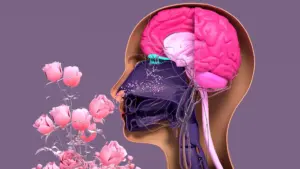
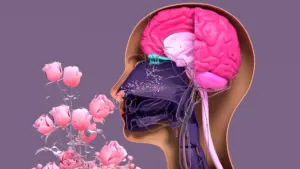
Beyond the social benefits, nature provided a critical psychological reprieve. Participants described a degree of distraction from their physical sensations, noting that the complexity and beauty of the natural world provided a sense of escapism from the rigors of their daily lives. In the context of chronic pain, where the mind can become hyper-focused on the source of discomfort, the ability to shift attention toward the external environment is a significant therapeutic advantage. The researchers noted that this escapism allowed participants to briefly "step away" from their pain, providing a mental break that was both refreshing and restorative.
The study also highlighted a clear preference for outdoor activity over traditional clinical or indoor exercise settings. While physical therapy and regular movement are often prescribed for lower back pain, many interviewees expressed a distaste for gyms or similar indoor environments. Instead, they found great joy in the opportunity to exercise in pleasant, natural surroundings. The aesthetic appeal of a forest path or a coastal walk made the act of movement feel less like a chore or a medical necessity and more like a rewarding personal experience. This finding suggests that the environment in which rehabilitation takes place may be just as important as the exercises themselves in ensuring patient compliance and overall wellbeing.