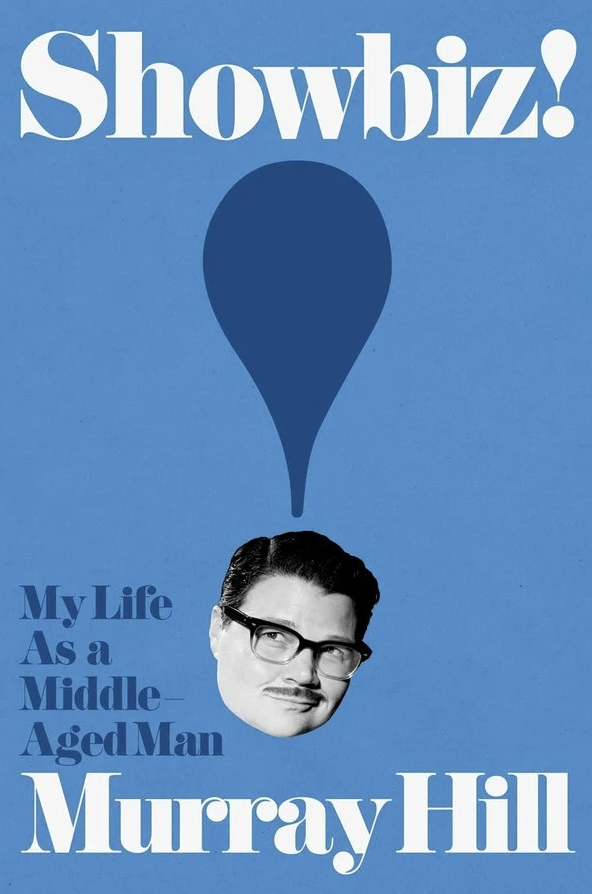
Adding a dose of performance and personality to the month’s releases is Murray Hill, a fixture of the New York City cabaret and comedy scene. In Showbiz! My Life as a Middle-Aged Man, Hill recounts his unconventional career path with the charm and wit of a veteran showman. Known for his appearances at Joe’s Pub and his role in the acclaimed series Somebody Somewhere, Hill has lived a life rich with anecdotes that are both hilarious and tender. His memoir is a celebration of the "showman" spirit and a testament to the resilience required to forge a path in the entertainment world outside of the mainstream.
The art of the essay is also represented this October by Wendy S. Walters, whose new collection A Dead White cements her reputation as one of the most original thinkers in the genre. Walters is known for her "writing-as-thinking" approach, a mode of impressionistic observation that bridges the gap between the deeply personal and the broadly political.
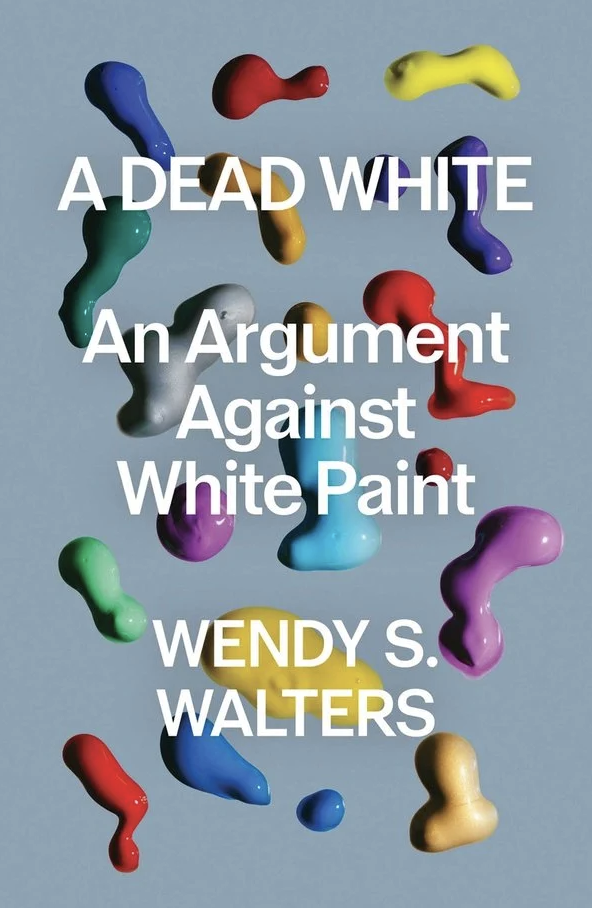
In A Dead White, Walters takes an unexpected starting point: the ubiquity of white paint. After noticing the dominance of white walls while dropping her son off at school, she began to see it everywhere—in public institutions, private homes, and commercial spaces. Walters argues that this choice of "neutrality" is anything but neutral. Instead, it reflects a societal value system and a set of passive choices that reveal a great deal about our aspirations and our failures. The book, which sits somewhere between a monograph and an essay collection, promises to change the way readers look at the spaces they inhabit.
The digital landscape is the subject of Richard Cooke’s The Last Best Place on the Internet: A Human History of Wikipedia. For those who remember the early days of the internet, Wikipedia was often dismissed as an unreliable source for the lazy. Today, however, it has become an indispensable global resource. Cooke digs into the beginnings and the internal mechanics of the site, making a compelling case for its importance as a force for good in an increasingly fractured digital world. He argues that Wikipedia’s success as a collaborative, human-driven project is a rare bright spot in the history of the internet, and one that carries more weight than even its most frequent users might realize.
Finally, the month’s slate is rounded out by Helen Betya Rubinstein’s Feels Like Trouble: Provocations on Writing, Teaching & Power. In an era where the act of writing is facing new challenges from technology and shifting cultural norms, Rubinstein offers a spirited defense of dissent. She examines the frameworks of the traditional writing workshop—such as the "compliment sandwich"—and questions the power dynamics that often go unchallenged in creative spaces. Her "provocations" are described as deeply considered and well-argued, providing an enlivening look at how the way we teach writing influences the stories we are able to tell.
As October unfolds, these ten titles represent a broad spectrum of intellectual and narrative ambition. Whether looking back at the myths of the American frontier or forward to the future of digital knowledge, these authors offer readers a chance to engage with the world in all its complexity.