The arrival of the autumn literary season traditionally signals a shift toward more rigorous intellectual inquiry and substantial narrative history. This October is no exception, as a formidable array of thinkers, historians, and cultural critics prepare to release works that grapple with the complexities of American identity, the failures of modern "innovation," and the moral weight of the country’s legal and social systems. From epistolary histories to sharp-edged critiques of the digital age, the upcoming selection of nonfiction promises to offer a profound look at the forces shaping the contemporary world.
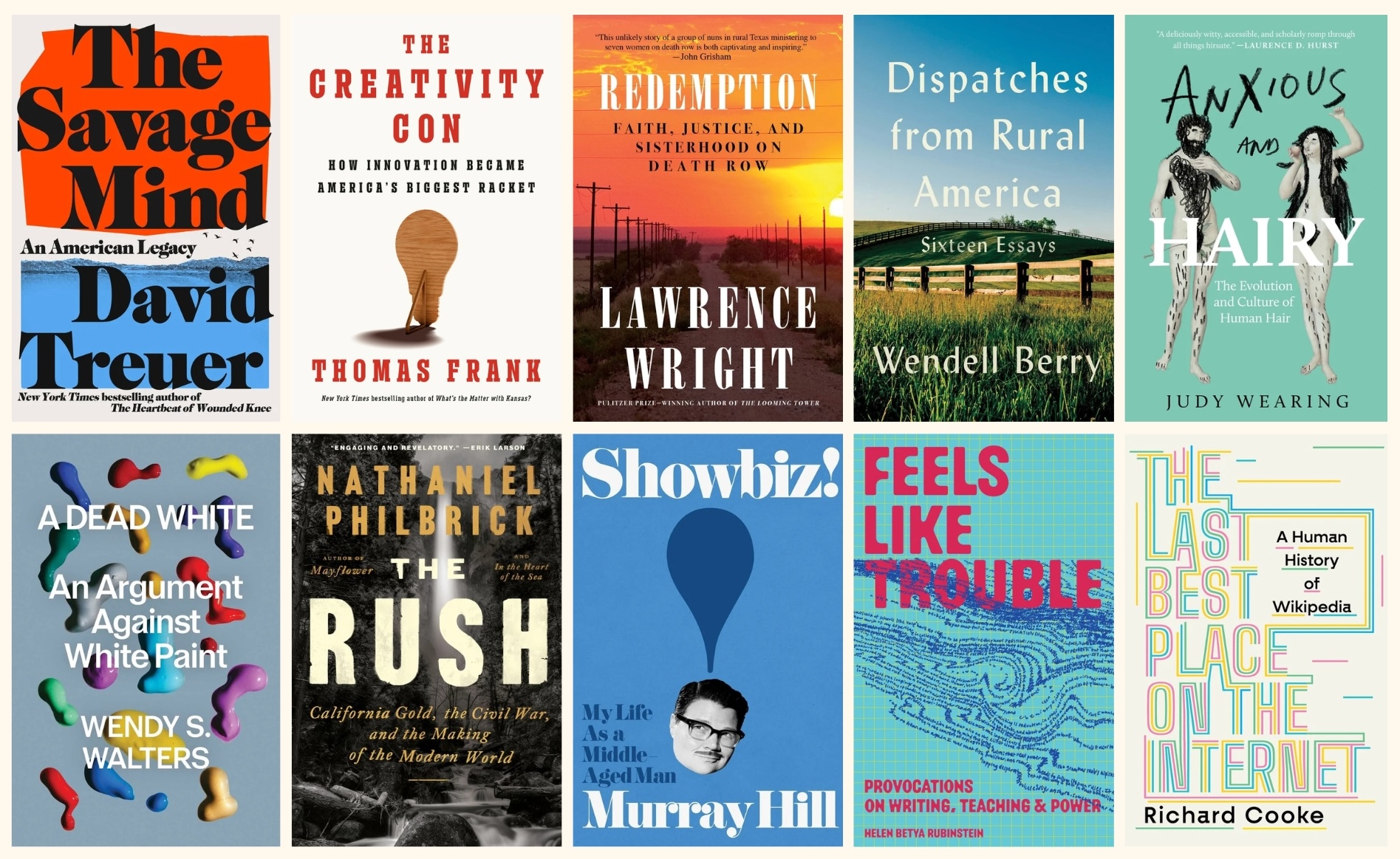
Among the most anticipated releases is a new work by David Treuer, an author who has established himself as a versatile and essential voice in American letters. Having moved seamlessly between fiction and memoir throughout his career, Treuer achieved significant national acclaim with his 2019 history, The Heartbeat of Wounded Knee, which was named a finalist for the National Book Award. His latest project, Savage Mind, finds him working in yet another form: the epistolary treatise.
Written as a letter to his three children, now in their late teens, Savage Mind is described as a masterclass in storytelling that blends the personal with the political. The book reportedly opens with a vivid account of reservation life—evoking the gritty, atmospheric prose of writers like Denis Johnson—before expanding into a wide-ranging exploration of the "American frontier." Treuer’s analysis goes beyond geography, examining the frontier as both a historical site of brutal violence and a persistent myth that continues to fuel the country’s imperial projects, both at home and abroad. By addressing his children directly, Treuer grounds these heavy historical themes in the intimate reality of a father attempting to explain the world to the next generation.
While Treuer looks at the myths of the past, Thomas Frank remains focused on the deceptions of the present. Known as one of the country’s most incisive critics of power and class, Frank returns this October with The Creativity Con. In this new volume, Frank applies his trademark skepticism and erudition to the "move fast and break things" ethos that has come to dominate the modern economy.
The Creativity Con serves as a scathing critique of the post-war era’s obsession with "innovation." Frank argues that this buzzword has frequently served as a convenient mask for a gallery of hucksters and conmen who use the promise of progress to justify a quick-fix, cliché-ridden approach to business. The result, according to Frank, is a system that systematically siphons wealth from the bottom to the top, leaving the general public in a more precarious state than before. With his characteristically acid wit, Frank challenges the narrative that modern disruption is inherently beneficial, suggesting instead that it is often a calculated effort to consolidate power under the guise of creativity.
The moral landscape of the American legal system is also under the microscope this month, as Lawrence Wright releases Redemption. Wright, a giant of narrative journalism, has built a career on tackling massive, complex subjects with clarity and depth. In Redemption, he turns his attention to the urgent issue of capital punishment, viewed through a deeply human lens.
The book follows the unlikely relationship between a group of nuns and women living on death row at a prison in Gatesville, Texas. As the nuns attempt to tend to the spiritual and emotional needs of the incarcerated women, Wright uses their interactions to reveal the inherent contradictions and systemic injustices at the heart of the American justice system. It is a work that promises to be as challenging as it is compassionate, forcing readers to confront the human reality of a legal mechanism that is often discussed only in the abstract.
October also marks a bittersweet moment for the literary community following the loss of Wendell Berry, who passed away last month at the age of 92. Berry was a towering figure in American thought, often categorized as a "pastoralist" in the tradition of Thoreau and Emerson. However, as the new collection Dispatches From Rural America makes clear, Berry’s work was defined by a practical, "down-to-earth" grit that elevated it above mere nostalgia.
Dispatches From Rural America serves as an essential primer for Berry’s philosophy, showcasing his role as an unflinching critic of modernity and late-stage capitalism. Over the last half-century, Berry remained a steadfast advocate for localism, sustainability, and the dignity of manual labor. This posthumous release offers a final opportunity to engage with his belief that the modern world’s pursuit of efficiency has come at a devastating cost to the human spirit and the land itself.
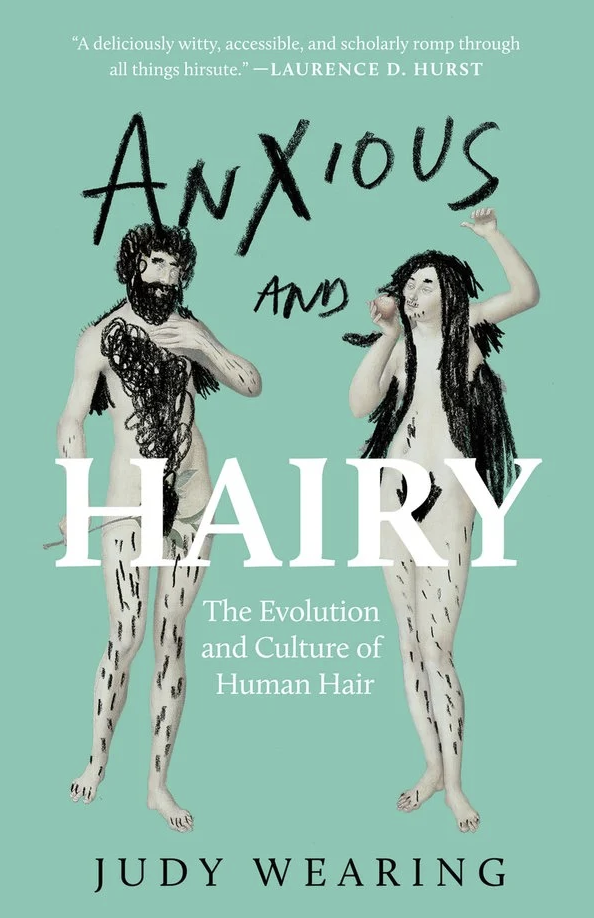
The month’s offerings are not limited to heavy political and social critiques; several authors have taken a more unconventional or humorous approach to cultural history. Judy Wearing’s Anxious and Hairy: The Evolution and Culture of Human Hair is a prime example. Wearing manages to balance a sense of humor with rigorous research as she explores the history, aesthetics, and science of body hair.
From the social hang-ups that dictate grooming habits to the evolutionary purpose of hair, Wearing’s book is described as both personal and universal. It is a "nonfictional romp" that takes a seemingly mundane topic and reveals the complex web of cultural and biological factors that influence how humans perceive themselves and others. For readers who enjoy a deep dive into the curiosities of the human condition, Wearing’s work provides a refreshing and insightful perspective.
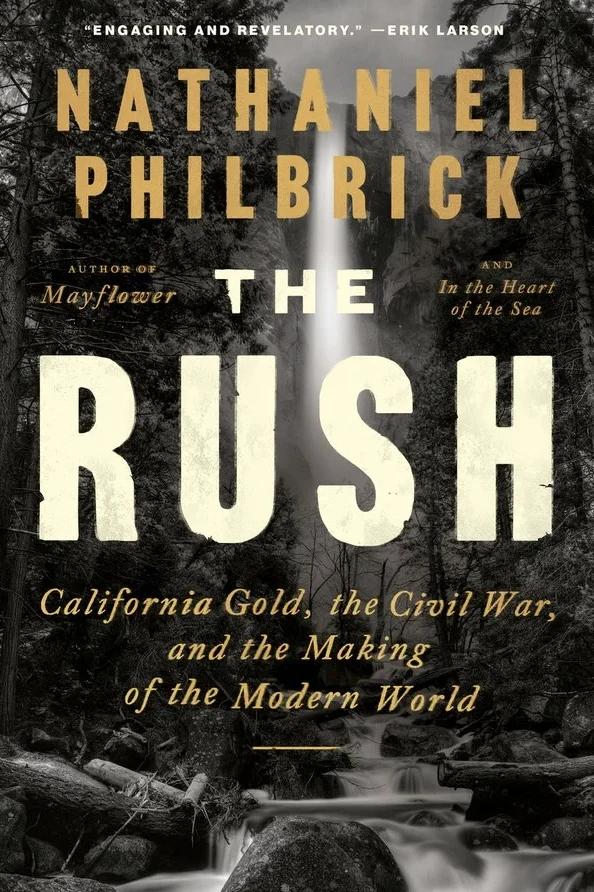
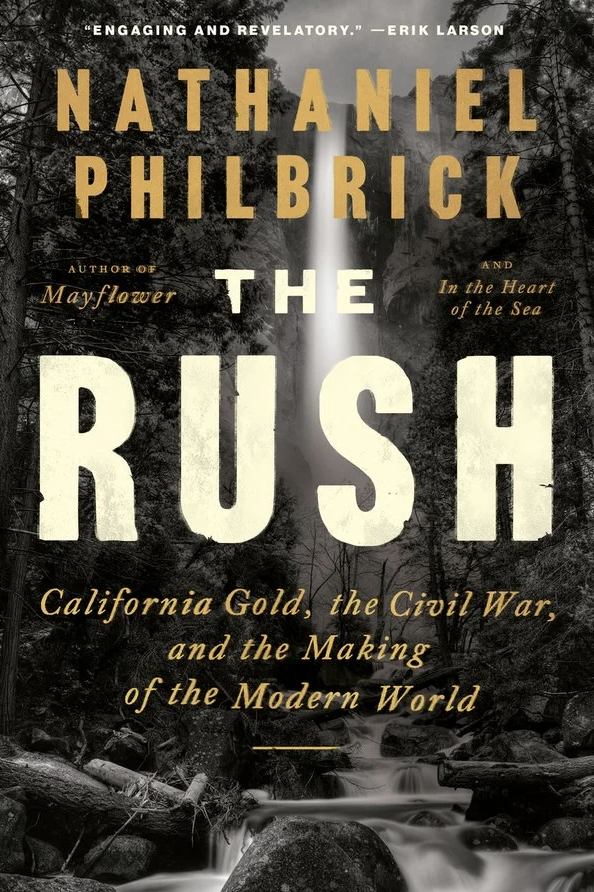
History of a more traditional, yet no less engaging, sort arrives via Nathaniel Philbrick’s The Rush: California Gold, the Civil War, and the Making of the Modern World. Philbrick has long been recognized as a master of historical nonfiction that possesses the narrative drive of a novel. In The Rush, he focuses on the California Gold Rush, a period he argues was foundational to the development of the modern United States.
Philbrick’s strength lies in his ability to identify vivid characters and precise, often visceral, details. Just as he captured the harrowing effects of dehydration in In the Heart of the Sea, he here brings the chaos and ambition of the Gold Rush to life. His central thesis is a provocative one: that the events in California during the mid-19th century—and their subsequent impact on the Civil War—explain the trajectory of the country as we know it today.
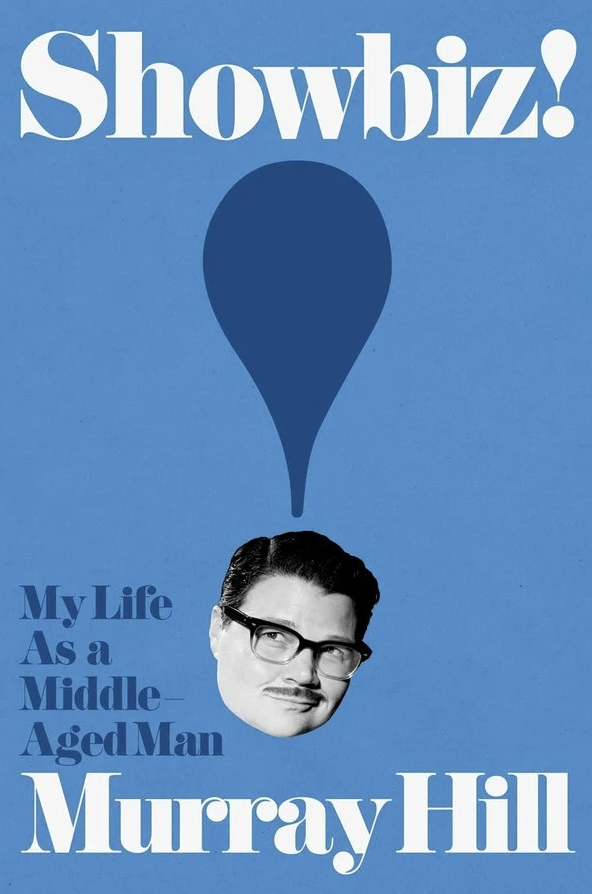
Adding a dose of performance and personality to the month’s releases is Murray Hill, a fixture of the New York City cabaret and comedy scene. In Showbiz! My Life as a Middle-Aged Man, Hill recounts his unconventional career path with the charm and wit of a veteran showman. Known for his appearances at Joe’s Pub and his role in the acclaimed series Somebody Somewhere, Hill has lived a life rich with anecdotes that are both hilarious and tender. His memoir is a celebration of the "showman" spirit and a testament to the resilience required to forge a path in the entertainment world outside of the mainstream.
The art of the essay is also represented this October by Wendy S. Walters, whose new collection A Dead White cements her reputation as one of the most original thinkers in the genre. Walters is known for her "writing-as-thinking" approach, a mode of impressionistic observation that bridges the gap between the deeply personal and the broadly political.
In A Dead White, Walters takes an unexpected starting point: the ubiquity of white paint. After noticing the dominance of white walls while dropping her son off at school, she began to see it everywhere—in public institutions, private homes, and commercial spaces. Walters argues that this choice of "neutrality" is anything but neutral. Instead, it reflects a societal value system and a set of passive choices that reveal a great deal about our aspirations and our failures. The book, which sits somewhere between a monograph and an essay collection, promises to change the way readers look at the spaces they inhabit.
The digital landscape is the subject of Richard Cooke’s The Last Best Place on the Internet: A Human History of Wikipedia. For those who remember the early days of the internet, Wikipedia was often dismissed as an unreliable source for the lazy. Today, however, it has become an indispensable global resource. Cooke digs into the beginnings and the internal mechanics of the site, making a compelling case for its importance as a force for good in an increasingly fractured digital world. He argues that Wikipedia’s success as a collaborative, human-driven project is a rare bright spot in the history of the internet, and one that carries more weight than even its most frequent users might realize.

Finally, the month’s slate is rounded out by Helen Betya Rubinstein’s Feels Like Trouble: Provocations on Writing, Teaching & Power. In an era where the act of writing is facing new challenges from technology and shifting cultural norms, Rubinstein offers a spirited defense of dissent. She examines the frameworks of the traditional writing workshop—such as the "compliment sandwich"—and questions the power dynamics that often go unchallenged in creative spaces. Her "provocations" are described as deeply considered and well-argued, providing an enlivening look at how the way we teach writing influences the stories we are able to tell.
As October unfolds, these ten titles represent a broad spectrum of intellectual and narrative ambition. Whether looking back at the myths of the American frontier or forward to the future of digital knowledge, these authors offer readers a chance to engage with the world in all its complexity.