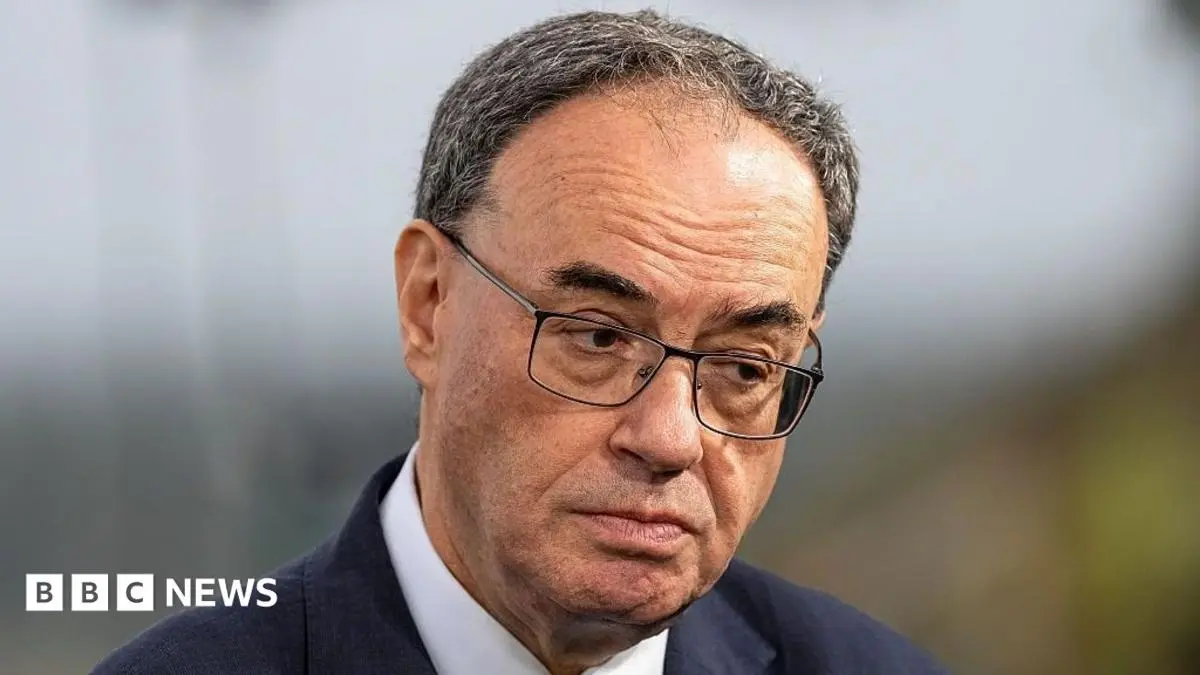
This historical precedent underscores the risk of a sudden realignment in market leadership, which could lead to severe losses for investors who backed the wrong firms. Should these massive investments fail to deliver the anticipated returns, the resulting fallout could reverberate across the wider financial system. To mitigate these dangers, the Bank of England is actively preparing for potential disruptions. "We are prepared for the fact that there will be, I think, some shocks come along to markets and we have to deal with that," Bailey said. "We have to make sure the system is resilient." This focus on systemic resilience is central to the BoE’s mandate to maintain financial stability in the face of rapid technological disruption.
Cyber attacks, deepfakes, and interest rates
Beyond the purely financial risks of asset price corrections, Bailey highlighted several other significant threats posed by the rapid proliferation of AI technology. Chief among these is the potential for AI to be weaponized in cyber warfare and digital attacks. According to the Governor, AI has provided bad actors with a "much more powerful way of uncovering vulnerabilities" in critical digital infrastructure. The technology is capable of scanning vast codebases and identifying security flaws that have long remained hidden. "It’s revealing things that have been in bits of operating software that we’ve had, and all of us have had," Bailey explained. He warned that "in the wrong hands… it’s a very powerful, potentially very powerful, weapon."
Another pressing societal and economic risk identified by the Governor is the rise of deepfakes—highly realistic, AI-generated images and videos designed to deceive the public. These digital manipulations can