The men’s side of the event also provided its share of high-quality tennis, with sixth seed Daniil Medvedev making a statement in his opening match. Facing the experienced Spaniard Pablo Carreno Busta, Medvedev relied on his trademark consistency and an exceptionally potent serve. The Russian hit 12 aces during the match, mirroring Sabalenka’s dominance from the service line. Medvedev’s ability to neutralize Carreno Busta’s baseline game was evident throughout the 6-4 6-2 victory. For Medvedev, who has often excelled during the late-season swing in Asia, the win was a perfect start to his bid for the title in Beijing.
There was better news for British fans in the doubles draw, where Julian Cash and Lloyd Glasspool secured a notable victory. The British pair faced the formidable Russian duo of Andrey Rublev and Karen Khachanov. While Rublev and Khachanov are primarily known for their singles success, they are dangerous competitors in any format. However, Cash and Glasspool showed superior doubles chemistry and tactical awareness, breaking the Russian pair at crucial moments to secure a 6-3 6-4 win. The victory allows them to advance in the tournament and provides a boost for British doubles tennis on the international stage.
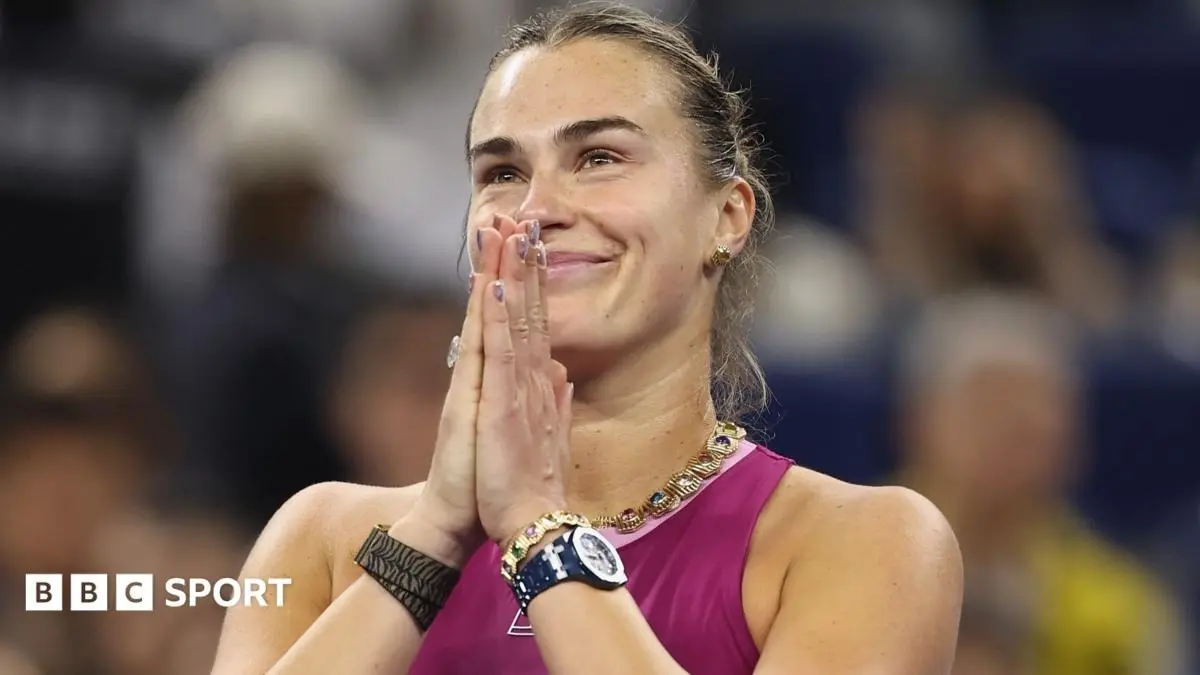
As the China Open progresses, the focus will undoubtedly remain on Sabalenka and her quest for both a title and a sense of internal peace. Her victory over Zarazua was the first step in what she hopes will be a restorative week in Beijing. The 63 minutes she spent on court on Friday were a display of a player who possesses all the physical tools to dominate the sport. Yet, as she herself admitted, the real challenge lies in the moments between the points, in the way she handles the pressure of her own expectations. If she can successfully "be easier" on herself, the rest of the field may find it even harder to stop her. For now, Sabalenka moves forward, her eyes on the trophy and her mind focused on the difficult task of self-forgiveness in a sport that demands nothing less than perfection.