One with the world
To determine which specific neural networks were driving this context-dependent organization, the research team performed a lesion-style computational analysis. They systematically swapped out individual brain networks’ psilocybin activity data, replacing it with the corresponding network data from their sober scans, and observed how severely the AI classifier’s performance degraded as a result.
This analysis revealed that two primary networks were responsible for the effect: the Default Mode Network (DMN) and the Visual Network. Each of these networks independently accounted for more than 20 percent of the classifier’s predictive accuracy.
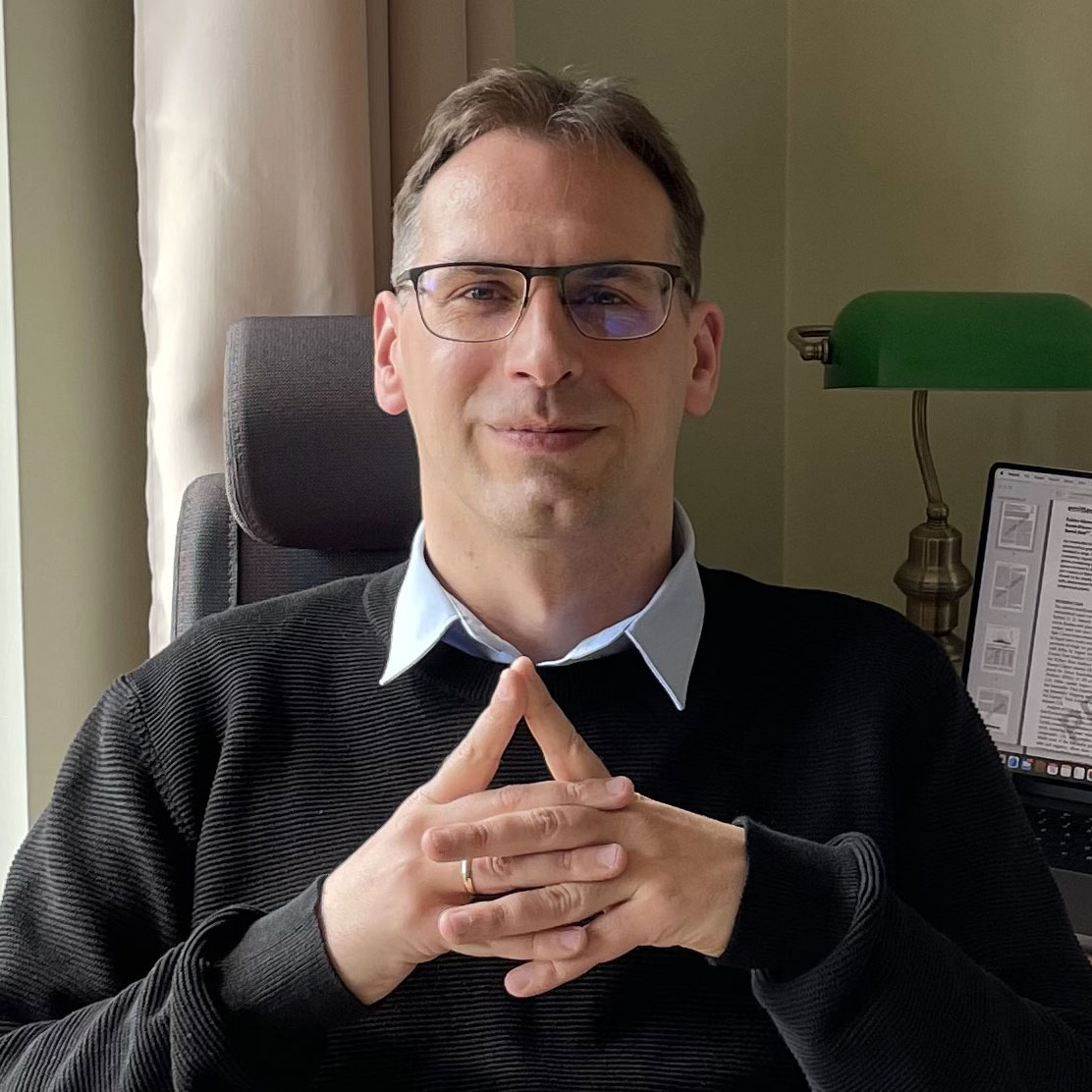
"The default mode network is strongly associated with the sense of self: daydreaming, mind wandering, thinking about yourself. It’s often been called the narrative self," Stoliker explains. "On the other end of this gradient, more externally oriented, is the visual system."
Under the influence of psilocybin, the functional distinction between these two systems diminished significantly. The team suggests that this convergence explains why participants subjectively felt that the separation between themselves and the outside environment had dissolved—a psychological state Stoliker terms "embeddedness."
"Theoretically, we could suggest that psychedelics are temporarily altering the organization of brain networks that ordinarily help maintain this separation that we experience," he says. "It really challenges the idea of whether the internal world and external world are separate and highlights the idea that the brain may be responsible for constructing both."
Tuning the room
The day following their imaging sessions, participants evaluated their psychological state across several metrics, rating changes in their sense of connection to themselves, to others, and to nature, as well as shifts in feelings of peace, acceptance, and creativity, using a scale ranging from -100 to +100.
"For the vast majority of our participants, we found they had positive psychological changes the next day," Stoliker reports. Notably, the strength of these positive psychological shifts correlated directly with how accurately the AI classifier was able to distinguish between the four environmental contexts during their brain scans.
These findings carry significant implications for the future of psychedelic-assisted psychotherapy. If external context is not merely a passive backdrop for setting a comfortable mood, but actively shapes the structural organization of the brain during a trip, then environmental factors—such as the room layout, the selected music playlist, and the therapist’s precise verbal instructions—take on the role of active clinical variables. In theory, clinicians could deliberately tune these variables to maximize therapeutic benefits and target specific mental health outcomes.
However, the researchers emphasize that several crucial questions remain before these findings can be directly translated into clinical protocols.
Currently, the data shows that two individuals who report identical subjective "embeddedness" scores can still experience vastly different personal journeys. Furthermore, all volunteers in the PsiConnect trial were healthy individuals, whereas therapeutic applications ultimately target patients suffering from specific psychiatric and psychological disorders whose neural baselines may respond differently.
Finally, scientists have yet to determine precisely how environmental elements like music or visual stimuli should be tailored for specific therapeutic goals.
"That’s a future avenue where we need more research to determine exactly what conditions should be optimized, and for who. It’s quite possible we would want to take different approaches for each individual, or depending on what their diagnosis is," Stoliker says. "Still, finding this level of organization hidden underneath that disorder and chaos has some really good explanatory value."