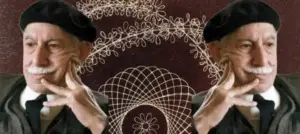
The second film, Mike Leigh’s Tender Loving Care, marks a return for the veteran director who is celebrated for his hyper-realistic portrayals of British life. This latest work focuses on quiet, often overlooked acts of care within families, friendships, and the institutions that govern them. It is a film that finds the extraordinary in the ordinary, a hallmark of Leigh’s storied career.
Finally, Allen pointed to Lee Chang-dong’s Possible Love. Lee, a master of South Korean cinema, is known for his deeply philosophical and emotionally searing films like Poetry and Burning. In Possible Love, he anchors a sharp social critique within two "electrically human" lead performances. The film explores the complexities of connection in a modern world, balancing its intellectual weight with a visceral emotional resonance. Allen urged audiences to keep an eye out for these titles as they move toward wider release later this year, noting that they represent some of the most vital storytelling currently being captured on film.
Drew Broussard, the podcasts editor, rounds out the week’s cultural survey by returning the focus to the literary world, albeit through the lens of awards and recognition. While the announcement of literary prize lists often brings out a certain amount of cynicism or "grumbling" from media circles, Broussard finds himself in agreement with columnist Maris Kreizman: this year’s crop of finalists is a genuine cause for celebration.
In particular, the Cercador Prize list and the Booker Prize shortlist have been sources of "SO much joy" for Broussard. The Cercador Prize, which is unique for being an award "from booksellers to books," often highlights works that might be overlooked by more traditional mainstream committees. Seeing favorites like M. John Harrison’s The End of Everything and Rebecca Perry’s May We Feed the King receive such high-profile recognition has been a highlight of the season. Harrison’s work, known for its genre-defying depth, and Perry’s evocative prose represent the kind of ambitious writing that the Lit Hub staff champions.
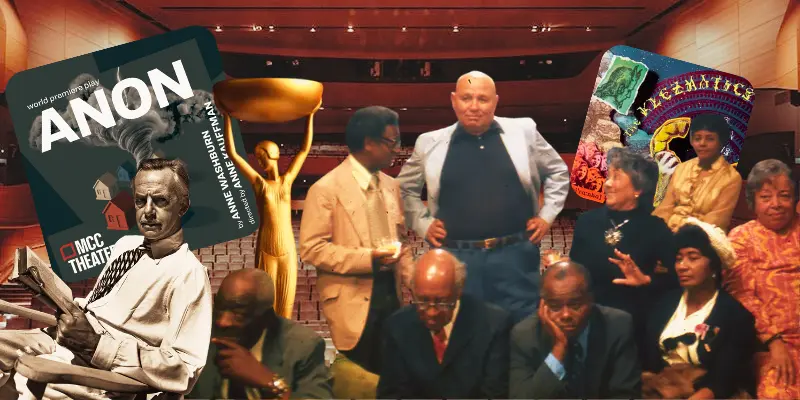
For Broussard, the quality of these lists is a testament to the health of the current literary landscape. "I just feel like it’s a fun time to be reading, ya know?" he remarked. It is a sentiment that seems to echo across the entire staff this week. Whether it is the experimental theater of Anne Washburn, the classic Irish-American tragedies of Eugene O’Neill, the celebratory rhythms of The Klezmatics, or the profound humanism of the films at NYFF, there is a sense that the narrative world is currently in a state of abundance. As the weekend approaches, the message from the Lit Hub office is clear: it is a good time for art of all kinds, and one should remain wide awake to the stories being told in every medium.