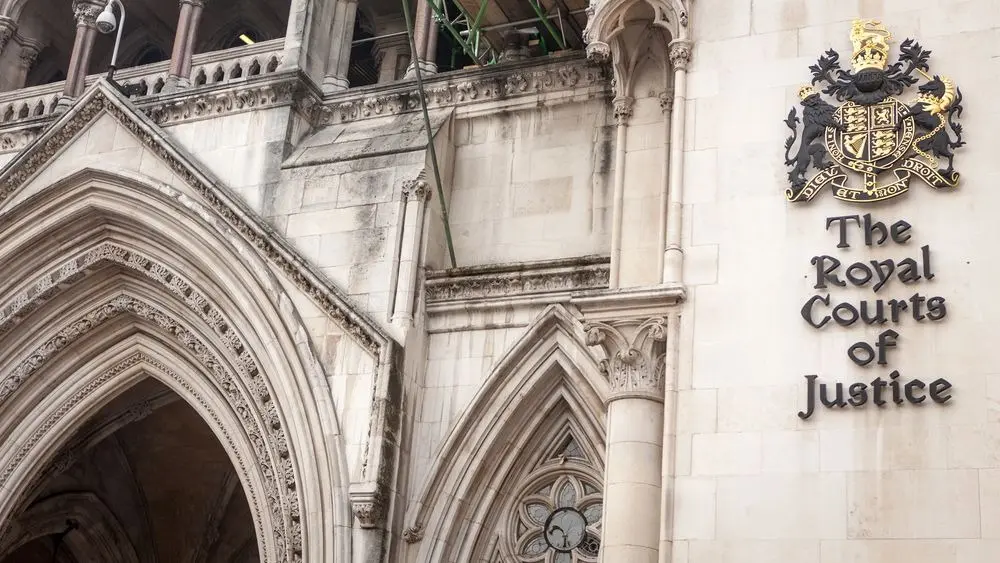
The broader digital asset industry often relies on "trustless" technology, yet the reality of large-scale institutional trading remains heavily dependent on legal contracts and the reputations of the parties involved. When those contracts are allegedly ignored, the resulting litigation often reveals the fragility of the current market infrastructure. The London High Court is increasingly becoming a preferred venue for these disputes, as it offers a sophisticated legal environment capable of handling complex financial instruments and international jurisdictional issues.
As the case progresses, the court will likely delve into the specific mechanics of the token transfers and the precise wording of the sale agreements between DWF’s subsidiaries and BitGo. The defense mounted by BitGo will be crucial; if they can demonstrate that the sales were permitted under specific clauses or that the price drops were the result of broader market trends unrelated to their actions, the $114 million claim could be significantly undermined. Conversely, if DWF can prove a willful or negligent breach of the lock-up terms, it could set a major precedent for how private token sales are enforced in the future.
Currently, neither DWF Labs nor BitGo has provided a formal public response to the requests for comment regarding the specifics of the lawsuit. The silence from both camps is typical of high-stakes litigation, where every public statement can be scrutinized and used as evidence in court. For now, the industry is left to observe the fallout of a clash between two giants of the crypto world—one a controversial market maker and the other a cornerstone of institutional custody.
The outcome of this case will likely influence how future private placement deals are structured in the digital asset space. If lock-up periods can be circumvented without severe consequences, the discount model used to attract early-stage capital may become obsolete or require even more stringent, perhaps code-enforced, restrictions. As the legal process unfolds in London, it serves as a stark reminder that even in the fast-moving world of cryptocurrency, the traditional principles of contract law and the consequences of market manipulation remain very much in play. The resolution of this $114 million dispute will be a bellwether for the maturity of the industry and its ability to hold its most prominent actors accountable.