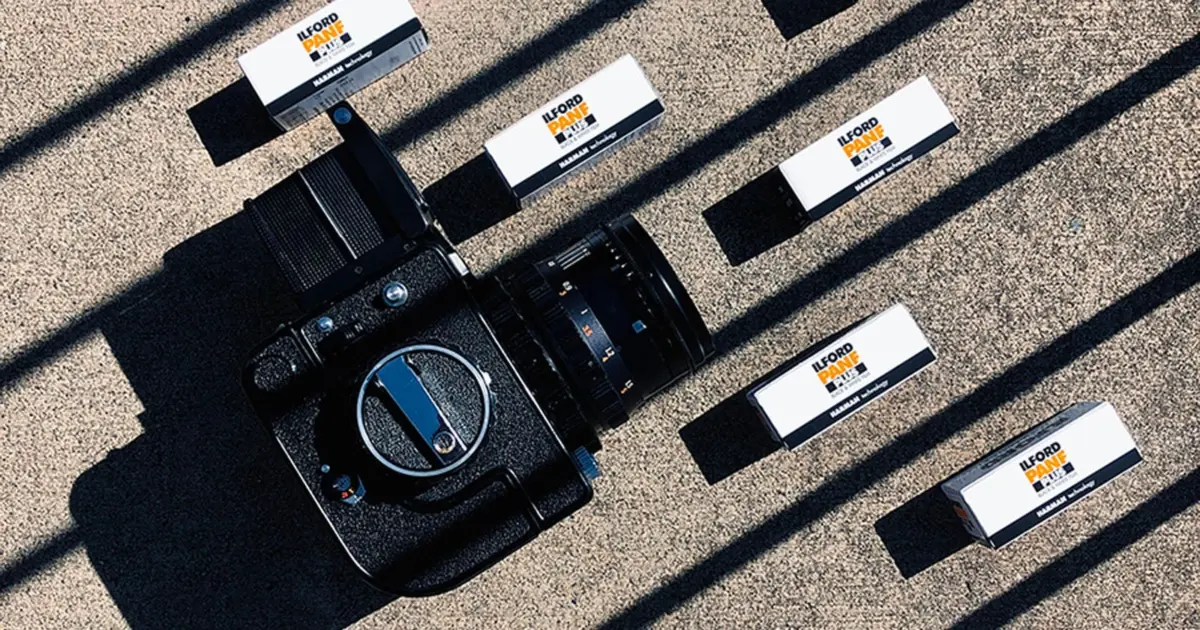
The midtones in Pan F Plus tend to lean toward the darker side of the scale, contributing to an atmospheric, "brooding" look. While the film does not lack tonality—there is still a wealth of nuance to be found in the shadows—it demands that the photographer be intentional with their exposure. This inherent drama has made it a perennial favorite for architectural photographers who want to emphasize the geometry and shadows of urban environments.
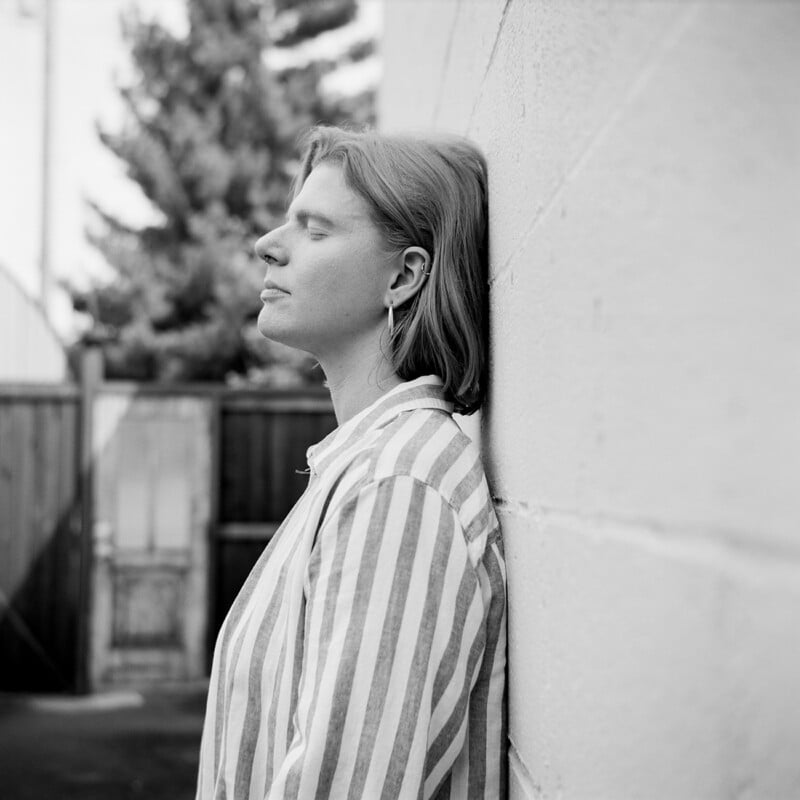
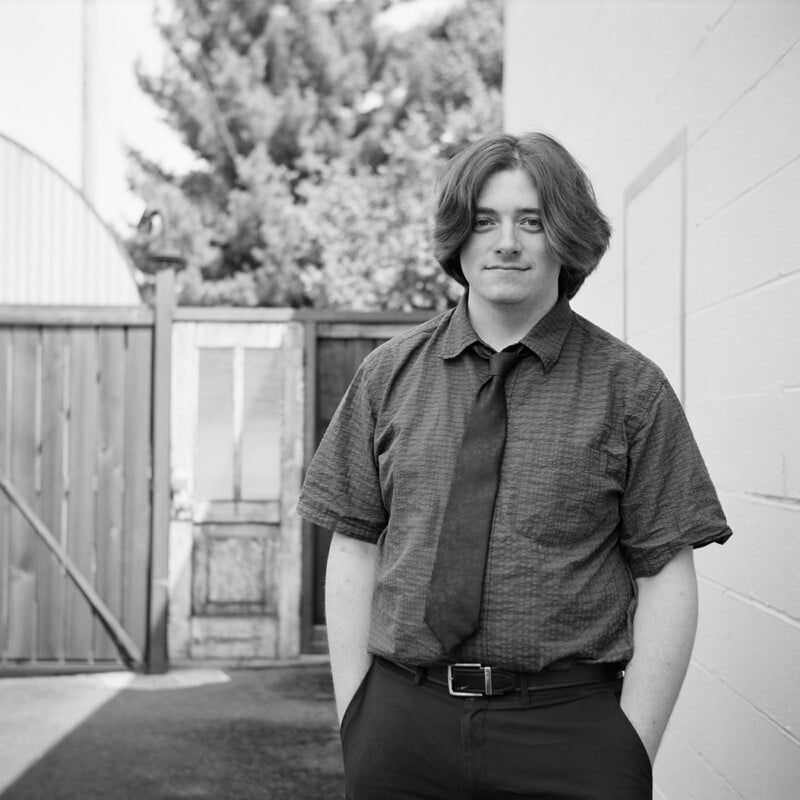
In portraiture, Pan F Plus is a polarizing choice. Its extreme sharpness and high contrast mean that every wrinkle, blemish, and line on a human face is rendered with unforgiving clarity. For some, this is too clinical; for others, it is a way to create powerful, character-driven portraits that celebrate the texture of the human experience.
Navigating the Challenges of Slow Speed
The primary trade-off for the exquisite grain of Pan F Plus is its lack of light sensitivity. At ISO 50, this is a film designed for bright, sunlit days or controlled studio environments. For many, it is synonymous with "tripod photography."
However, the slow speed of the film also unlocks creative doors that faster films cannot. In broad daylight, a photographer using ISO 400 film is often forced to use fast shutter speeds and narrow apertures. With Pan F Plus, a photographer can shoot at f/1.4 or f/2 in the middle of the day, achieving a shallow depth of field that isolates the subject against a creamy, blur-filled background.
Furthermore, Pan F Plus is an ideal candidate for intentional motion blur. By using a slow shutter speed handheld, photographers can capture the "panning" motion of a cyclist or the soft flow of a fountain without needing to stack multiple neutral density filters on their lens. It invites a slower, more deliberate style of shooting that rewards patience and technical precision.
Technical Considerations: Reciprocity and Latent Images
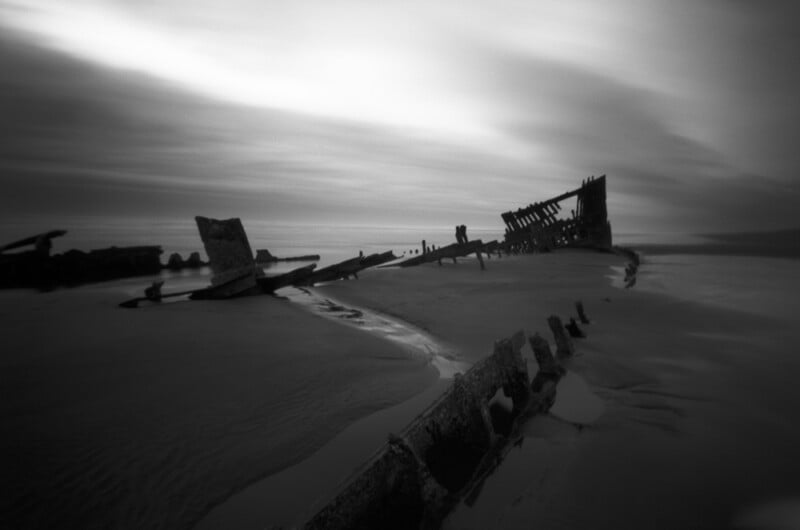
For those who take Pan F Plus into the realm of long-exposure photography—such as capturing misty waterfalls or streaking clouds—understanding reciprocity failure is essential. All films lose sensitivity during very long exposures, and Pan F Plus is no exception.
The modern iteration of the film is more robust than its predecessors. For metered exposures between one and ten seconds, photographers should generally add a half-stop to a full stop of extra light. For example, a metered 10-second exposure often yields the best results when actually exposed for 20 seconds. If the metered time reaches 60 seconds, the film requires a full two stops of compensation, meaning an actual exposure time of approximately 240 seconds. While this requires careful calculation, the results are often breathtaking, as the fine grain holds up remarkably well under long-duration light soaking.