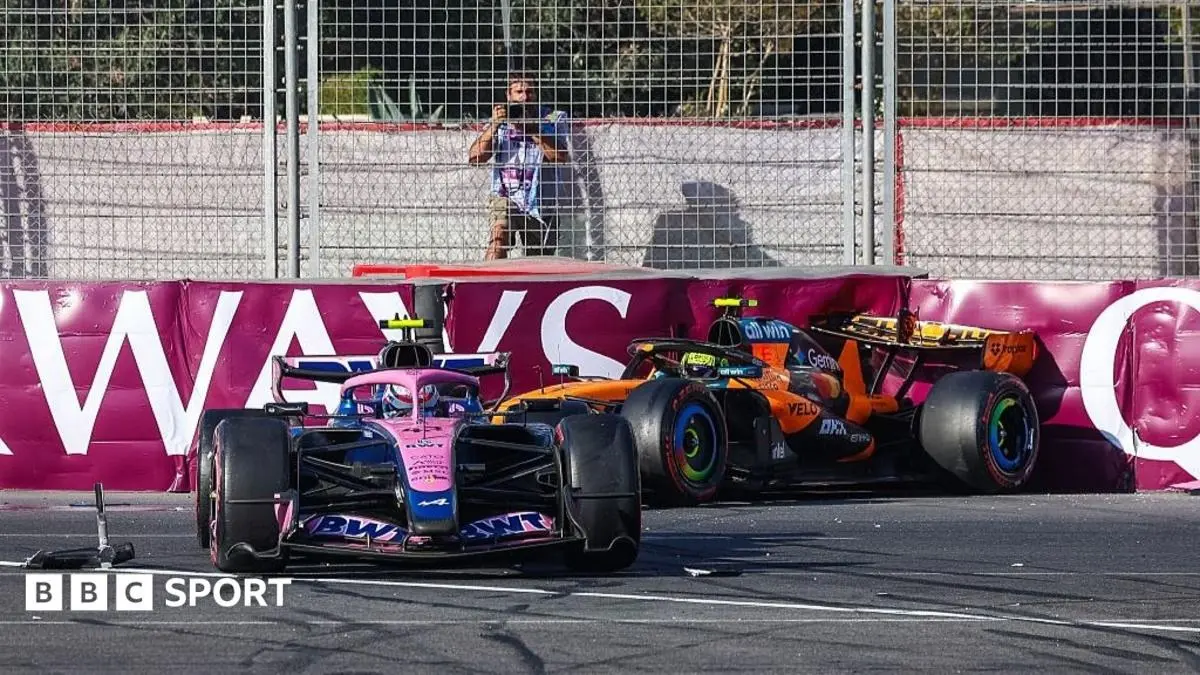
From the perspective of the FIA, the challenge lies in balancing the inherent risks of racing with the need for safety and fair play. Restarts are statistically one of the most dangerous moments of any Grand Prix. As drivers fight for position while trying to bring their tires and brakes up to the optimal operating temperature, the likelihood of a lock-up is significantly increased. However, Norris’s contention is that at this level of the sport, "out of control" driving should be a relic of the past.
The debate sparked by Norris’s comments is likely to dominate the briefings in the upcoming race weekends. Many in the paddock agree that the cost of accidents is becoming a major factor in how teams view driver errors. With the budget cap in place, every dollar spent on repairing a car after a crash is a dollar that cannot be spent on making the car faster. When a driver like Colapinto causes a "chain reaction" that bins the parts of several cars, the financial damage can reach into the millions, potentially hampering the development programs of multiple teams for the remainder of the season.
As the dust settles in Baku, the focus remains on the FIA’s potential response. While the stewards typically evaluate each incident on its individual merits, the vocal frustration of a World Champion like Lando Norris carries significant weight. His demand for a "simple" ban serves as a warning to the younger generation of drivers and a plea for a more rigid enforcement of the rules.
For Franco Colapinto, the road ahead is one of intense scrutiny. While he has shown flashes of the talent that brought him to the Alpine seat, this "big mistake" in Azerbaijan will serve as a defining moment in his early career. Whether the FIA chooses to heed Norris’s call for a ban or sticks to traditional penalty structures, the message from the front of the grid is clear: the margin for "careless" driving has evaporated, and the cost of failure has never been higher.
The Azerbaijan Grand Prix will be remembered not just for its winner, but for the wreckage at the restart and the subsequent demand for a new era of accountability in Formula 1. Norris’s insistence that certain drivers "don’t deserve to be in Formula 1" after such incidents sets a high bar for the standards expected on the grid, ensuring that the fallout from this collision will be felt long after the carbon fiber debris has been cleared from the streets of Baku.