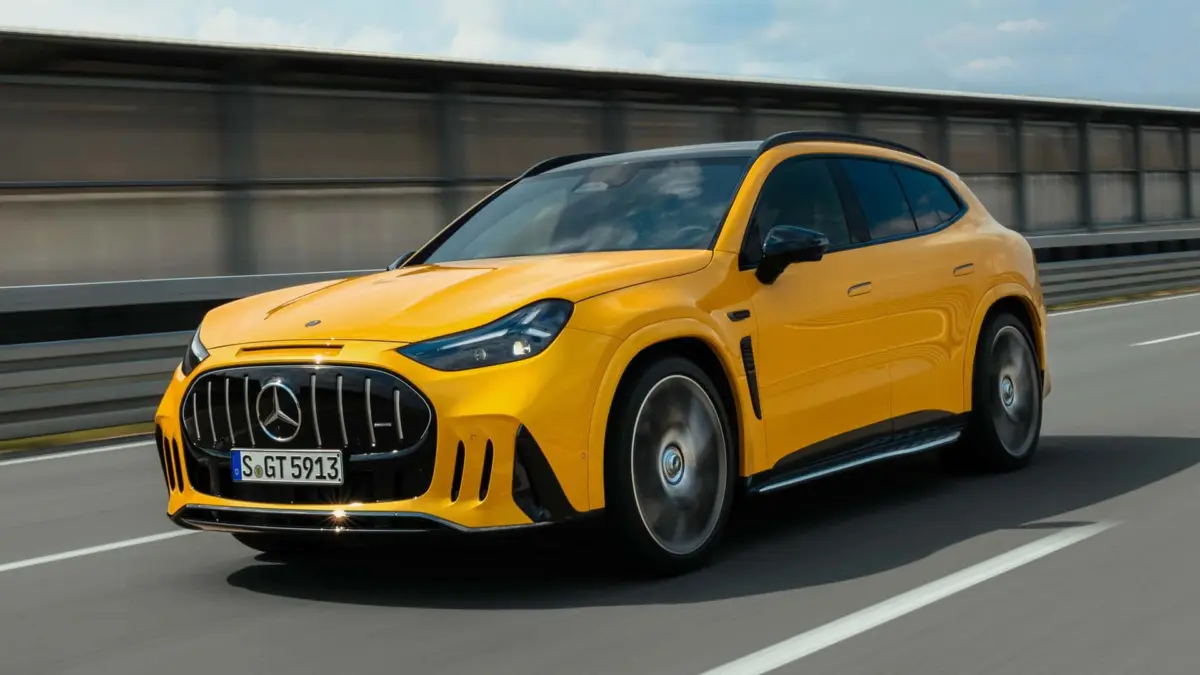
The landscape of the high-performance automotive world is undergoing a seismic shift, and Mercedes-AMG is positioning itself at the epicenter of this transformation. In a move that signals a new chapter for the Affalterbach-based performance division, the company has officially unveiled the 2028 Mercedes-AMG GT SUV. This is not merely an electric version of an existing product; it represents the first full-size SUV developed entirely in-house by AMG, bringing the brand’s storied sports car DNA into the burgeoning segment of ultra-high-performance electric utility vehicles.
With the arrival of the GT SUV, Mercedes-AMG is making an uncompromising statement about the future of power. The flagship variant of this new model line boasts a staggering output of up to 1,153 horsepower, allowing it to rocket from a standstill to 60 miles per hour in a mere 2.4 seconds. These figures place the GT SUV in a rarified atmosphere, challenging not just other electric SUVs, but some of the most capable supercars on the planet. Beyond raw acceleration, the vehicle introduces industry-leading charging technology, capable of DC fast charging at rates of up to 710 kilowatts, effectively addressing one of the primary concerns of the modern EV era: the time spent at the plug.
The 2028 Mercedes-AMG GT SUV is the second vehicle to be built upon the brand’s dedicated AMG.EA (AMG Electric Architecture) platform. This bespoke performance foundation follows in the footsteps of the recently revealed AMG GT 4-Door Coupe, proving that AMG is committed to a ground-up approach for its electric future rather than relying on modified versions of standard Mercedes-Benz luxury platforms. By controlling the development from the chassis up, AMG engineers have been able to integrate specialized performance components that would otherwise be impossible to package in a traditional SUV.
A Trio of High-Performance Models
When the Mercedes-AMG GT SUV arrives at United States dealerships in the summer of 2027, customers will be presented with three distinct tiers of performance: the GT53 SUV, the GT55 SUV, and the range-topping GT63 SUV. Each model is designed to offer a different balance of daily usability and track-ready capability, though all three maintain the aggressive persona expected of the AMG badge.
The powertrain configurations vary significantly across the lineup. The GT55 and GT63 models utilize a sophisticated three-motor setup, featuring one electric motor on the front axle and two at the rear. This layout allows for incredible precision in power delivery. For instance, the front motor is designed with efficiency in mind; it can completely decouple when not required, reducing mechanical drag and conserving energy during steady-state cruising. However, the moment the driver demands extra traction or a burst of acceleration, the front motor kicks back in instantaneously.
In contrast, the entry-level GT53 SUV employs a more traditional dual-motor approach, with one motor dedicated to each axle. To maximize its performance envelope, the GT53 is equipped with a unique two-speed transmission at the rear axle. This hardware choice mirrors the strategies used by some of the world’s most advanced electric sports cars, utilizing a shorter first gear to provide explosive off-the-line acceleration and a taller second gear to ensure high-speed efficiency and sustained power during highway driving.
Regardless of the motor count, all three models come standard with the AMG Performance 4MATIC+ all-wheel-drive system. In the three-motor GT55 and GT63 variants, this system is further enhanced by the ability to send power to individual rear wheels. This torque vectoring capability allows the SUV to rotate more effectively through corners, effectively shrinking the feel of its full-size footprint and providing the kind of handling agility usually reserved for much smaller vehicles.
The performance hierarchy is clear when looking at the numbers. The GT53 SUV offers a continuous output of 362 horsepower, but it can reach a peak of 536 horsepower and 590 lb-ft of torque. This allows for a 0-60 mph sprint of 4.1 seconds and a top speed of 143 mph. Moving up to the GT55 SUV, the continuous output jumps to 711 horsepower, with a peak performance of 805 horsepower and a massive 1,372 lb-ft of torque. This model slashes the 0-60 mph time to 3.0 seconds flat and increases the top speed to 168 mph. Finally, the GT63 SUV represents the pinnacle of the range. While it shares the 711 horsepower continuous output, its peak performance is unlocked at a monstrous 1,153 horsepower and 1,475 lb-ft of torque, enabling that headline-grabbing 2.4-second 0-60 mph time.
Next-Generation Charging and Range
Performance in the electric age is defined as much by charging speed as it is by top speed. To that end, the AMG GT SUV utilizes a high-voltage 800-volt electrical system that sets new benchmarks for the industry. Depending on the model chosen, the vehicle is equipped with one of two high-density battery packs designed to handle extreme thermal loads and rapid energy discharge.
The charging capabilities are perhaps the most impressive technical feat of the GT SUV. The GT55 and GT63 models are capable of accepting a DC fast charge at up to 710 kilowatts. To put that into perspective, the GT55 and GT63 can add approximately 280 miles of range—based on the European WLTP cycle—in just 10 minutes of charging. Even the entry-level GT53 is a powerhouse in this regard, topping out at 600 kilowatts and adding 236 miles of WLTP-rated range in the same 10-minute window.
Range anxiety is further mitigated by the GT SUV’s efficiency. The GT63 is projected to offer a WLTP range of between 385 and 435 miles, depending on the specific configuration and wheel choices. While United States EPA estimates are often more conservative than WLTP figures and have not yet been finalized, these early numbers suggest that the GT SUV will be more than capable of handling long-distance journeys without frequent or lengthy interruptions.
Chassis Dynamics and the AMG Experience
Engineering a full-size SUV to handle like a sports car is a monumental task, particularly given the inherent weight of large battery packs. To solve this, Mercedes-AMG has deployed its new AMG Active Ride Control+ suspension system. Standard on the GT63 and available as an option on the GT55, this system replaces traditional mechanical anti-roll bars with a sophisticated network of hydraulic dampers and adjustable air springs.
By using hydraulics to interconnect the dampers, the system can instantly adjust the stiffness at each corner of the vehicle. This allows the GT SUV to remain remarkably flat during high-speed cornering and significantly reduces the "nose-dive" associated with heavy braking. Conversely, it can also limit body lift during hard acceleration, ensuring that the tires maintain an optimal contact patch with the road. Beyond the performance benefits, Mercedes-AMG emphasizes that this system actually improves ride comfort during casual driving, as it can decouple the wheels to better absorb bumps and road imperfections that would normally be transmitted through a rigid anti-roll bar.
For those seeking the ultimate level of control, the GT63 comes standard with the AMG Dynamic Plus Package (optional on the GT55). This package introduces the AMG Race Engineer Control Unit, which provides the driver with three dedicated rotary controls on the steering wheel. These allow for real-time adjustments to motor response, handling characteristics, and traction control, giving the driver the ability to fine-tune the vehicle’s behavior to suit the specific demands of the road or track.
Preserving the Emotional Connection
One of the greatest challenges for performance brands transitioning to electric power is the loss of the visceral auditory experience provided by a combustion engine. AMG’s solution is "AMGForce Sport+," a system designed to inject drama back into the driving experience through synthesized sound and physical feedback.
The GT55 and GT63 models feature simulated V8 engine notes, while the GT53 produces a sound profile inspired by AMG’s high-performance six-cylinder engines. These are not merely generic recordings; AMG engineers captured real engine sounds using more than 100 different measurements and 16 high-fidelity microphones. The system is dynamic, meaning the frequency and volume shift in perfect synchronization with acceleration, load, and driving style.
To further bridge the gap between the analog and digital worlds, the GT SUV allows drivers to "shift" gears using the steering-wheel-mounted paddles, accompanied by simulated gear-change jolts. Seat vibrations and custom digital displays work in tandem to recreate the sensation of a traditional AMG powertrain. This sensory experience is tied into the seven AMG Dynamic Select drive modes: Electric, Comfort, Battery Hold, Sport, Sport+, Race, and Individual. Each mode alters the vehicle’s personality, from a hushed, efficient cruiser to a high-strung performance machine.
Design, Aerodynamics, and Interior Luxury
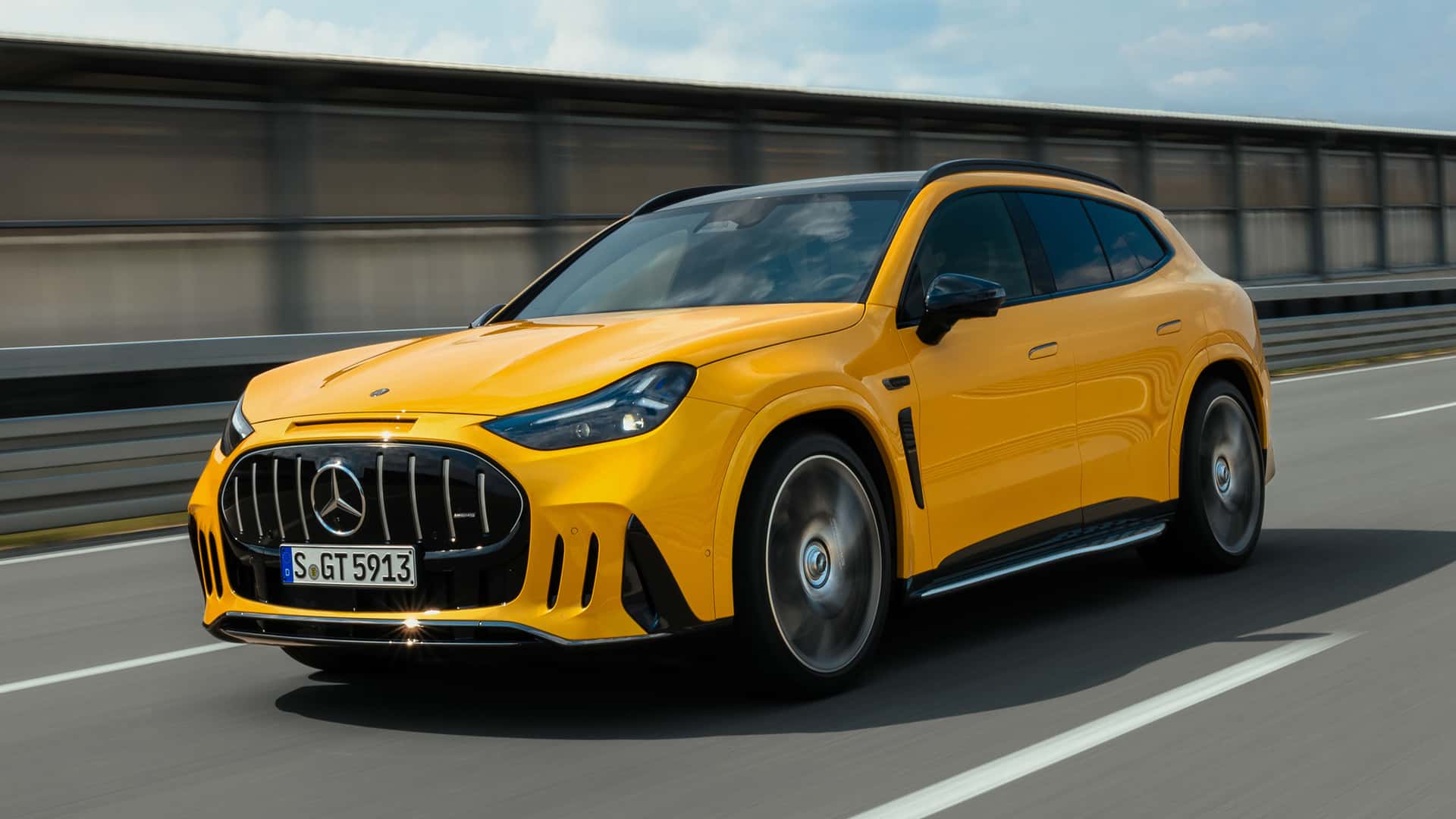
Visually, the GT SUV is an evolution of the design language established by the GT sedan. It features a commanding presence characterized by a sharp, sloping roofline, a wide stance, and muscular wheel arches that house large-diameter wheels. The rear of the vehicle is defined by six circular lights, a signature design element that creates a clear familial link to the sedan.
Aerodynamics play a crucial role in both performance and range. The GT SUV features the Aerokinetics Airpanel system, which utilizes movable louvers in the front bumper. When cooling requirements are low, these louvers close to streamline the front of the car and reduce drag. When the motors or battery require more air, the louvers open automatically. Additionally, the GT55 and GT63 feature an active rear spoiler that adjusts its angle based on speed and driving conditions to optimize stability.
The interior of the GT SUV is a blend of high-tech digital integration and traditional AMG luxury. The driver-focused cockpit is dominated by a pair of large displays, with the option to add a third screen specifically for the front passenger. This MBUX (Mercedes-Benz User Experience) setup provides deep integration for performance tracking and vehicle settings.
Despite its performance focus, the GT SUV remains a practical family vehicle. It features a three-person rear bench with folding seatbacks and a panoramic glass roof. The roof itself is a piece of technology, capable of switching between transparent and opaque modes at the touch of a button. For those who want a unique touch, the Mercedes Manufaktur program offers extensive personalization options for both the interior materials and exterior finishes.
Practicality is further bolstered by a respectable 21.4 cubic feet of cargo space behind the rear seats. Because there is no internal combustion engine taking up space under the hood, the GT SUV also offers a "frunk" (front trunk) providing an additional 2.8 cubic feet of storage, perfect for charging cables or small bags.
While the automotive world waits for final pricing and EPA range data, the 2028 Mercedes-AMG GT SUV has already set a high bar for what is possible when a dedicated performance brand turns its full attention to the electric SUV segment. By combining record-breaking charging speeds with supercar-level acceleration and advanced chassis technology, AMG is ensuring that the transition to electric power does not come at the expense of the driving excitement that has defined the brand for decades.