The GT55 and GT63 models feature simulated V8 engine notes, while the GT53 produces a sound profile inspired by AMG’s high-performance six-cylinder engines. These are not merely generic recordings; AMG engineers captured real engine sounds using more than 100 different measurements and 16 high-fidelity microphones. The system is dynamic, meaning the frequency and volume shift in perfect synchronization with acceleration, load, and driving style.
To further bridge the gap between the analog and digital worlds, the GT SUV allows drivers to "shift" gears using the steering-wheel-mounted paddles, accompanied by simulated gear-change jolts. Seat vibrations and custom digital displays work in tandem to recreate the sensation of a traditional AMG powertrain. This sensory experience is tied into the seven AMG Dynamic Select drive modes: Electric, Comfort, Battery Hold, Sport, Sport+, Race, and Individual. Each mode alters the vehicle’s personality, from a hushed, efficient cruiser to a high-strung performance machine.
Design, Aerodynamics, and Interior Luxury
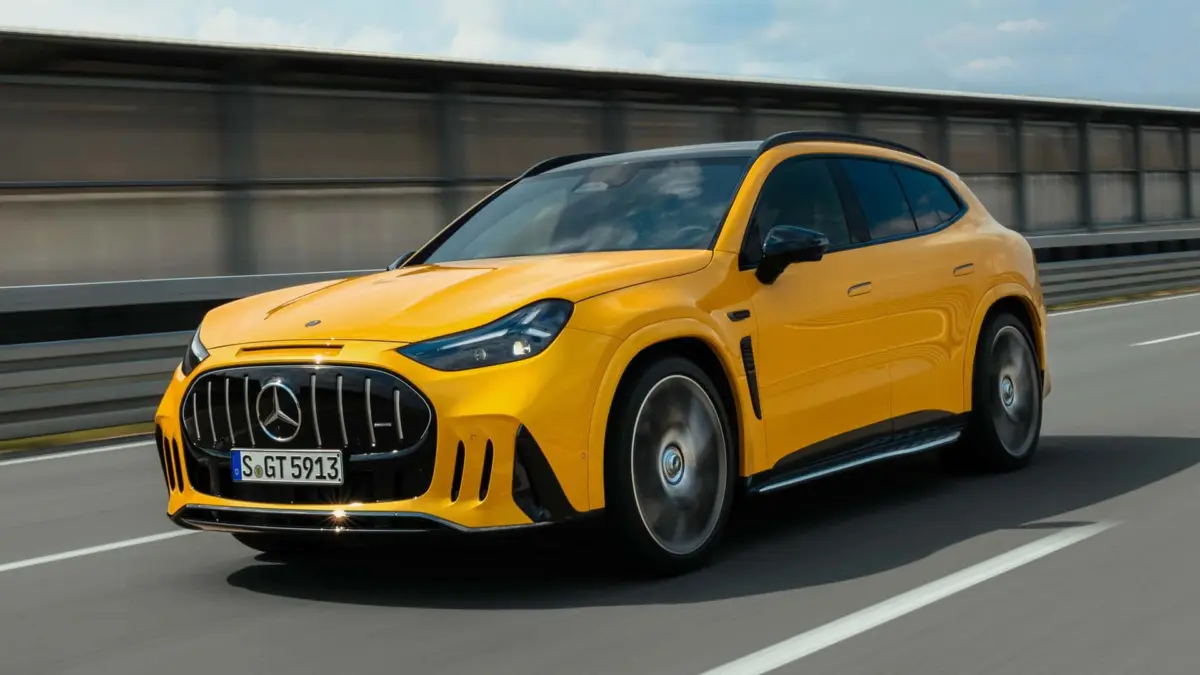
Visually, the GT SUV is an evolution of the design language established by the GT sedan. It features a commanding presence characterized by a sharp, sloping roofline, a wide stance, and muscular wheel arches that house large-diameter wheels. The rear of the vehicle is defined by six circular lights, a signature design element that creates a clear familial link to the sedan.
Aerodynamics play a crucial role in both performance and range. The GT SUV features the Aerokinetics Airpanel system, which utilizes movable louvers in the front bumper. When cooling requirements are low, these louvers close to streamline the front of the car and reduce drag. When the motors or battery require more air, the louvers open automatically. Additionally, the GT55 and GT63 feature an active rear spoiler that adjusts its angle based on speed and driving conditions to optimize stability.
The interior of the GT SUV is a blend of high-tech digital integration and traditional AMG luxury. The driver-focused cockpit is dominated by a pair of large displays, with the option to add a third screen specifically for the front passenger. This MBUX (Mercedes-Benz User Experience) setup provides deep integration for performance tracking and vehicle settings.
Despite its performance focus, the GT SUV remains a practical family vehicle. It features a three-person rear bench with folding seatbacks and a panoramic glass roof. The roof itself is a piece of technology, capable of switching between transparent and opaque modes at the touch of a button. For those who want a unique touch, the Mercedes Manufaktur program offers extensive personalization options for both the interior materials and exterior finishes.
Practicality is further bolstered by a respectable 21.4 cubic feet of cargo space behind the rear seats. Because there is no internal combustion engine taking up space under the hood, the GT SUV also offers a "frunk" (front trunk) providing an additional 2.8 cubic feet of storage, perfect for charging cables or small bags.
While the automotive world waits for final pricing and EPA range data, the 2028 Mercedes-AMG GT SUV has already set a high bar for what is possible when a dedicated performance brand turns its full attention to the electric SUV segment. By combining record-breaking charging speeds with supercar-level acceleration and advanced chassis technology, AMG is ensuring that the transition to electric power does not come at the expense of the driving excitement that has defined the brand for decades.