Design Heritage and the Nismo Connection
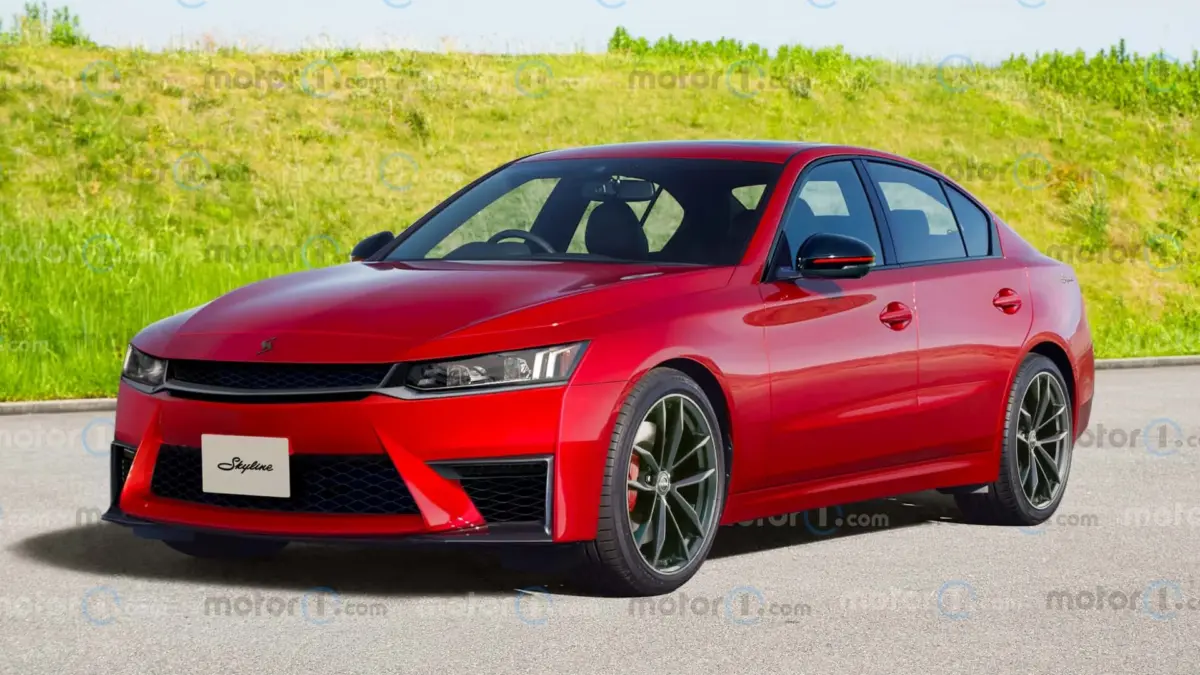
Nissan executives have hinted that the next Skyline will lean heavily into the brand’s heritage. Design themes are expected to pay homage to classic iterations of the car, with rumors suggesting cues taken from the legendary "Hakosuka" (C10 generation) or lighting signatures derived from the modern R35 GT-R.
The aesthetic challenge for Nissan’s design team is significant: they must create a car that looks forward into a digital future while respecting a lineage that includes some of the most iconic silhouettes in Japanese automotive history. Teaser images released by the company have shown sleek, low-slung profiles and sharp LED signatures, suggesting a more athletic and minimalist approach than the current V37.
The timing of the December 2026 reveal has also sparked intense interest among the "Nismo" faithful. The annual Nismo Festival at Fuji Speedway is scheduled for December 6, 2026. While Nissan has not officially confirmed that the Skyline will be unveiled at the track, the overlap is difficult to ignore. The Nismo Festival is a celebration of Nissan’s racing DNA, making it the perfect stage to introduce a car that Espinosa has labeled an "icon of speed."
The Strategic Importance of the "Renaissance"
The reveal of the 14th-generation Skyline is a pivotal moment in "The Arc," Nissan’s medium-term business plan aimed at boosting sales and improving profitability through a flurry of new product launches. Following several years of financial volatility and leadership transitions, the company is eager to prove that it hasn’t lost its soul in the pursuit of volume.
The Skyline occupies a unique space in Nissan’s portfolio. While models like the Rogue (X-Trail) and the Kicks drive the company’s bottom line, the Skyline and the Z provide the emotional resonance that keeps the brand relevant to car enthusiasts. By investing in a dedicated V38 platform rather than simply applying the Skyline name to a generic crossover, Nissan is signaling to the market that it remains committed to the "sedan" as a performance format.
As the industry pivots toward electrification, the V38 Skyline may represent one of the final chapters for the pure combustion-powered Japanese sport sedan. If the car can successfully blend the heritage of its predecessors with the efficiency of AI-accelerated engineering, it could serve as a bridge between Nissan’s glorious past and its high-tech future.
The bigger story, however, remains the shift in how Nissan builds cars. If the 26-month development cycle proves successful for a car as complex and scrutinized as the Skyline, it will validate Espinosa’s strategy and likely force other legacy automakers to rethink their own timelines. For now, the automotive world waits for December 2026, when the digital designs and AI simulations finally manifest into a physical machine carrying one of the most famous badges in history.