The "war room" strategy is designed to address this by creating cross-brand synergies. If an engineering team in a war room discovers a fix for a sensor issue in a Peugeot in France, that knowledge can be immediately applied to a Jeep being manufactured in Ohio if they share the same componentry. This level of rapid communication is essential for a company of Stellantis’ scale.
The Case for Slowing Down
The urgency expressed by Filosa highlights a broader debate within the automotive industry: has the pace of vehicle development become too fast? In the race to compete with tech-focused companies like Tesla and various Chinese newcomers, traditional legacy automakers have been under immense pressure to shorten development cycles and cram more technology into their vehicles.
However, as the Stellantis situation demonstrates, the "move fast and break things" ethos of the tech world does not translate well to three-ton machines moving at highway speeds. There is a growing consensus among automotive analysts that manufacturers may need to slow down, prioritizing rigorous testing and reliability over the rush to hit an arbitrary launch date.
Filosa’s "three verys"—fixing things very, very, very quickly—suggests a frantic pace, but the underlying goal is to ensure that the next generation of vehicles doesn’t require such emergency measures. The ideal scenario for Stellantis is a future where "war rooms" are unnecessary because quality was baked into the vehicle during the design phase.
A High-Stakes Gamble on Brand Trust
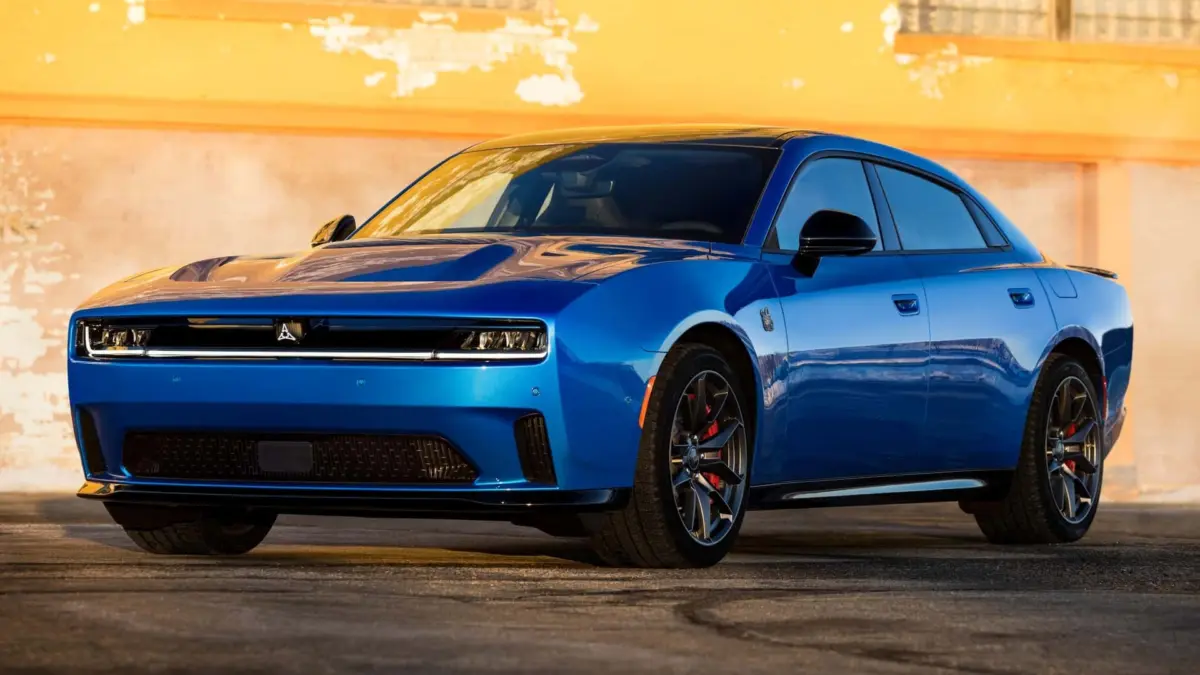
The success of this quality crusade will ultimately be judged by the consumer. For brands like Dodge, which is currently undergoing a radical transformation with the introduction of the electric Charger Daytona, the margin for error is razor-thin. Enthusiasts are already skeptical of the move away from the traditional Hemi V8 engines; any significant quality lapses in these new high-profile models could permanently damage the brand’s reputation during its most vulnerable moment.
By being vocal about its quality problems and the "war" being waged to fix them, Stellantis is taking a calculated risk. It is admitting to current flaws in the hope that transparency will buy it some patience from the public.
As the 2,000 engineers continue their work in those 50 rooms, the industry will be watching closely. If Stellantis can truly reach the first quartile of quality by 2028, it will be one of the most significant corporate turnarounds in modern automotive history. For now, the "war" continues, with the company’s leadership hoping that their aggressive mobilization will finally silence the warning lights and restore consumer confidence in one of the world’s largest automotive empires.