In an industry currently obsessed with the nebulous promises of artificial intelligence, autonomous driving, and software-defined architectures, Stellantis is taking a decidedly more grounded—and urgent—approach to its immediate future. The transatlantic automotive giant has effectively declared war on its own quality control issues, establishing a massive internal infrastructure designed to identify, analyze, and rectify vehicle defects with unprecedented speed.
Speaking recently at the Automotive News Congress in Detroit, Antonio Filosa, a key executive within the Stellantis leadership structure and CEO of the Jeep brand, revealed the scale of this internal mobilization. The company has established nearly 50 "quality war rooms" and redirected the efforts of more than 2,000 engineers to focus exclusively on reliability. The mission, according to Filosa, is to address lingering quality concerns "very, very, very quickly."
The repetition of the word "very" was not merely a rhetorical flourish; it served as a stark admission of the urgency facing the automaker. For Stellantis, which oversees a sprawling portfolio of 14 brands including Jeep, Ram, Dodge, Chrysler, Alfa Romeo, and Peugeot, the stakes of this "war" could not be higher. In an era where consumer loyalty is increasingly fragile and the cost of recalls can reach into the billions, the company is betting that a return to fundamental excellence is the only viable path forward.
A Tactical Shift: The Rise of the Quality War Room
The term "war room" is often overused in corporate settings, but at Stellantis, it appears to describe a literal shift in operational philosophy. Traditionally, quality issues in the automotive world are handled through a slow-moving hierarchy of reporting, where data from dealerships eventually reaches regional offices before being filtered up to corporate engineering teams. This "usual corporate machinery," as Filosa described it, is often too slow to prevent a localized defect from becoming a nationwide PR disaster.
By establishing nearly 50 dedicated war rooms, Stellantis is attempting to bypass these traditional bottlenecks. These rooms are not just meeting spaces; they are tactical hubs where specialized teams are assigned to specific problems across the company’s diverse lineup. Whether the issue is a software glitch in a high-tech infotainment system or a mechanical inconsistency in a drivetrain, these teams are tasked with finding a solution in real-time.
The involvement of over 2,000 engineers highlights the massive resource allocation required for such an endeavor. These engineers are being pulled from various departments to form a front line against defects. The primary objective is twofold: to fix issues currently affecting vehicles on the road and, perhaps more importantly, to catch defects in the pre-production phase before they ever reach a customer’s driveway.
Prioritizing Reliability in a High-Tech Era
Filosa’s transparency regarding the company’s struggles marks a notable departure from the typical automotive executive script. Most industry leaders prefer to focus on "future-proofing" their brands through electrification and digital subscriptions. While Stellantis is certainly invested in those areas, Filosa’s remarks suggest a realization that cutting-edge technology is worthless if the vehicle it inhabits is perceived as unreliable.
"Sometimes the future of the automobile is apparently a room full of engineers trying to figure out why the present one keeps throwing warning lights," the sentiment goes. This back-to-basics approach acknowledges a fundamental truth of the car market: while a fancy touch screen might sell a car, it is the lack of "check engine" lights that keeps a customer coming back for their next purchase.
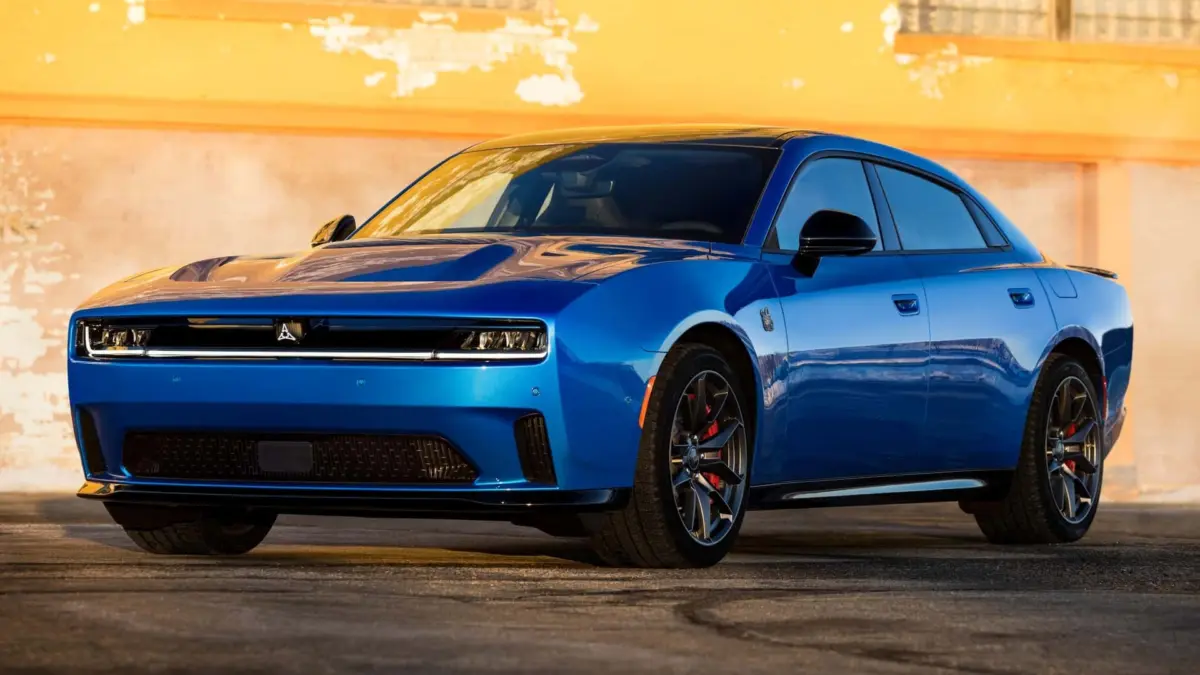
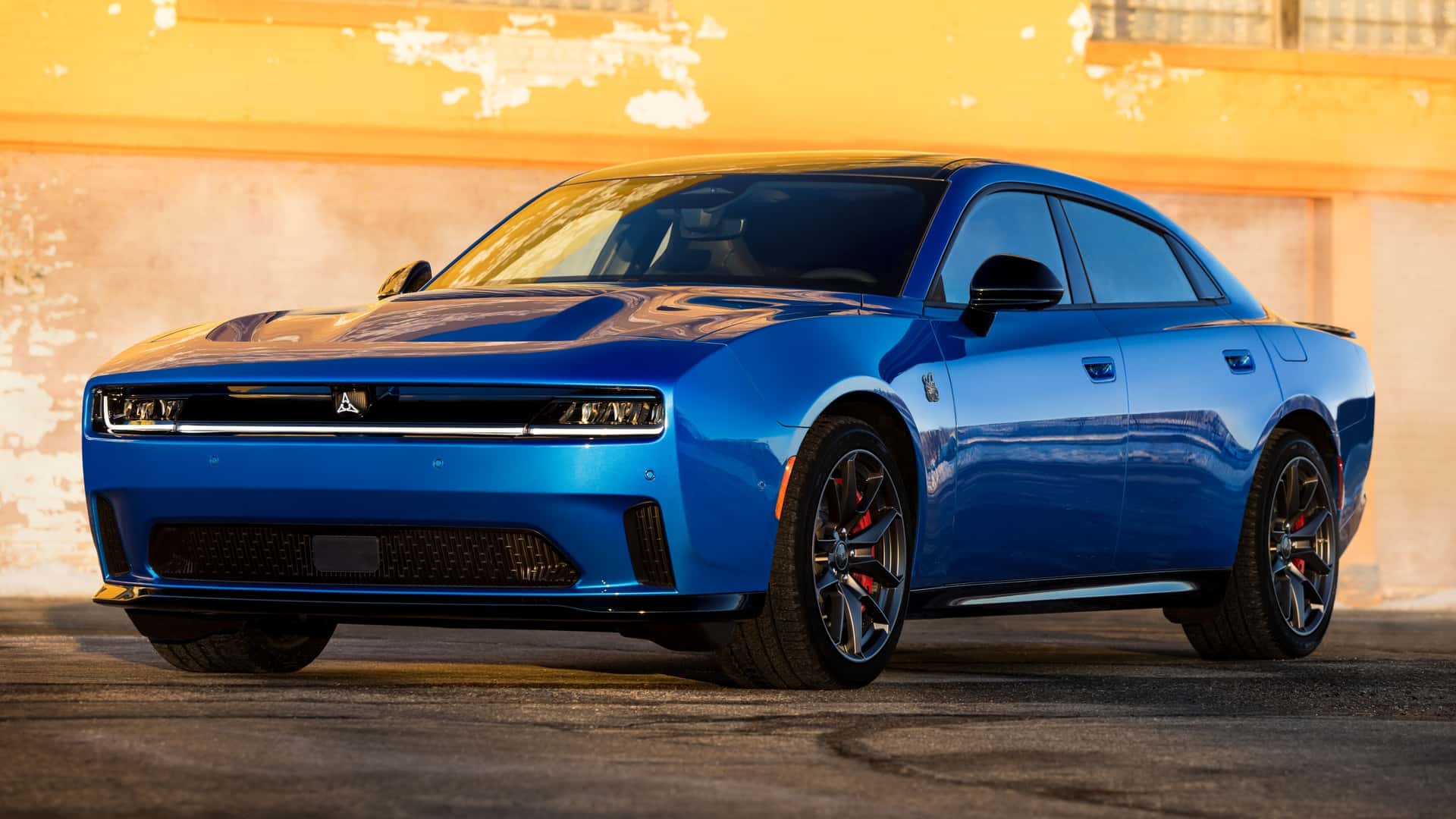
This shift in focus comes at a critical time for Stellantis. Several of its core American brands, particularly Jeep and Ram, have historically occupied inconsistent positions in third-party reliability rankings. As the company transitions toward more complex electrified platforms—such as the STLA Large platform underpinning the upcoming 2027 Dodge Charger Daytona Scat Pack and Super Bee—the potential for "teething issues" grows exponentially. By aggressive tackling quality now, Stellantis hopes to build a more stable foundation for its electric future.
The 2028 Deadline: An Ambitious Trajectory
Stellantis is not merely aiming for "better"; it has set a specific, measurable, and highly ambitious goal for its turnaround. Filosa stated that the company’s target is to reach the "first quartile" in quality across every segment and market where it competes by 2028.
In the language of industry metrics, such as JD Power’s Initial Quality Study (IQS) or Consumer Reports’ reliability rankings, the "first quartile" represents the top 25 percent of the industry. For a company with as many brands and as much historical baggage as Stellantis, moving from the middle or lower tiers of these rankings to the top quarter in just a few years is a monumental task.
This 2028 deadline creates a firm countdown for the 50 war rooms. It also serves as a promise to shareholders and customers that the current "war" is not an open-ended engagement but a targeted campaign with a clear victory condition. To achieve this, the company will have to improve not just its engineering, but its supply chain management, dealership service training, and software validation processes.
Managing a Global Juggernaut
One of the greatest hurdles Stellantis faces in its quest for quality is the sheer size of its portfolio. Managing quality for a single brand is difficult; managing it for 14 brands that span from budget-friendly European hatchbacks to six-figure American luxury SUVs is a logistical nightmare.
While Stellantis utilizes extensive "parts-bin sharing"—using the same switches, sensors, and platforms across multiple brands to save costs—this strategy is a double-edged sword. A single defective component from a shared supplier can trigger recalls across half a dozen different brands, magnifying the impact of a single failure.
The "war room" strategy is designed to address this by creating cross-brand synergies. If an engineering team in a war room discovers a fix for a sensor issue in a Peugeot in France, that knowledge can be immediately applied to a Jeep being manufactured in Ohio if they share the same componentry. This level of rapid communication is essential for a company of Stellantis’ scale.
The Case for Slowing Down
The urgency expressed by Filosa highlights a broader debate within the automotive industry: has the pace of vehicle development become too fast? In the race to compete with tech-focused companies like Tesla and various Chinese newcomers, traditional legacy automakers have been under immense pressure to shorten development cycles and cram more technology into their vehicles.
However, as the Stellantis situation demonstrates, the "move fast and break things" ethos of the tech world does not translate well to three-ton machines moving at highway speeds. There is a growing consensus among automotive analysts that manufacturers may need to slow down, prioritizing rigorous testing and reliability over the rush to hit an arbitrary launch date.
Filosa’s "three verys"—fixing things very, very, very quickly—suggests a frantic pace, but the underlying goal is to ensure that the next generation of vehicles doesn’t require such emergency measures. The ideal scenario for Stellantis is a future where "war rooms" are unnecessary because quality was baked into the vehicle during the design phase.
A High-Stakes Gamble on Brand Trust
The success of this quality crusade will ultimately be judged by the consumer. For brands like Dodge, which is currently undergoing a radical transformation with the introduction of the electric Charger Daytona, the margin for error is razor-thin. Enthusiasts are already skeptical of the move away from the traditional Hemi V8 engines; any significant quality lapses in these new high-profile models could permanently damage the brand’s reputation during its most vulnerable moment.
By being vocal about its quality problems and the "war" being waged to fix them, Stellantis is taking a calculated risk. It is admitting to current flaws in the hope that transparency will buy it some patience from the public.
As the 2,000 engineers continue their work in those 50 rooms, the industry will be watching closely. If Stellantis can truly reach the first quartile of quality by 2028, it will be one of the most significant corporate turnarounds in modern automotive history. For now, the "war" continues, with the company’s leadership hoping that their aggressive mobilization will finally silence the warning lights and restore consumer confidence in one of the world’s largest automotive empires.