"Sometimes the future of the automobile is apparently a room full of engineers trying to figure out why the present one keeps throwing warning lights," the sentiment goes. This back-to-basics approach acknowledges a fundamental truth of the car market: while a fancy touch screen might sell a car, it is the lack of "check engine" lights that keeps a customer coming back for their next purchase.
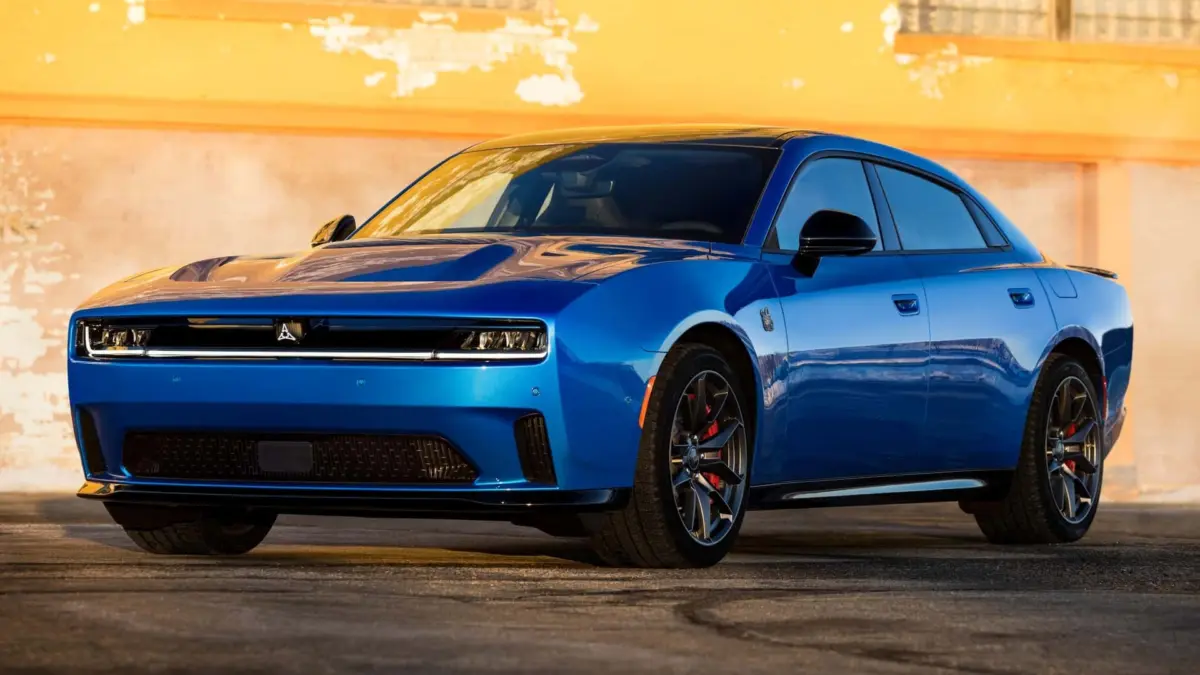
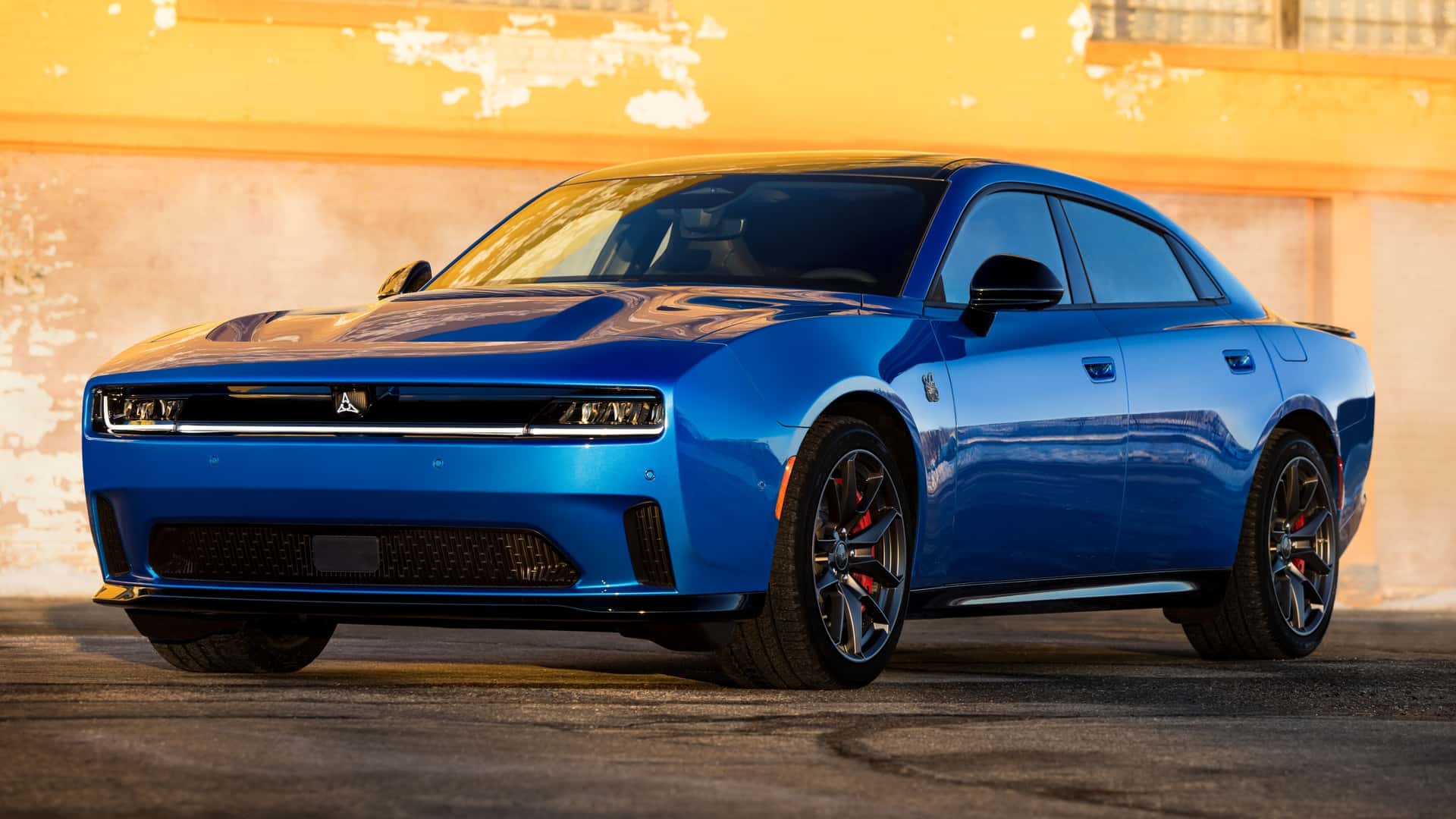
This shift in focus comes at a critical time for Stellantis. Several of its core American brands, particularly Jeep and Ram, have historically occupied inconsistent positions in third-party reliability rankings. As the company transitions toward more complex electrified platforms—such as the STLA Large platform underpinning the upcoming 2027 Dodge Charger Daytona Scat Pack and Super Bee—the potential for "teething issues" grows exponentially. By aggressive tackling quality now, Stellantis hopes to build a more stable foundation for its electric future.
The 2028 Deadline: An Ambitious Trajectory
Stellantis is not merely aiming for "better"; it has set a specific, measurable, and highly ambitious goal for its turnaround. Filosa stated that the company’s target is to reach the "first quartile" in quality across every segment and market where it competes by 2028.
In the language of industry metrics, such as JD Power’s Initial Quality Study (IQS) or Consumer Reports’ reliability rankings, the "first quartile" represents the top 25 percent of the industry. For a company with as many brands and as much historical baggage as Stellantis, moving from the middle or lower tiers of these rankings to the top quarter in just a few years is a monumental task.
This 2028 deadline creates a firm countdown for the 50 war rooms. It also serves as a promise to shareholders and customers that the current "war" is not an open-ended engagement but a targeted campaign with a clear victory condition. To achieve this, the company will have to improve not just its engineering, but its supply chain management, dealership service training, and software validation processes.
Managing a Global Juggernaut
One of the greatest hurdles Stellantis faces in its quest for quality is the sheer size of its portfolio. Managing quality for a single brand is difficult; managing it for 14 brands that span from budget-friendly European hatchbacks to six-figure American luxury SUVs is a logistical nightmare.
While Stellantis utilizes extensive "parts-bin sharing"—using the same switches, sensors, and platforms across multiple brands to save costs—this strategy is a double-edged sword. A single defective component from a shared supplier can trigger recalls across half a dozen different brands, magnifying the impact of a single failure.