What the Discovery Could Mean for Aging and Disease
The implications of this "RNA-induced energy crisis" extend far beyond the study of viral infections. The researchers believe that this mechanism may play a role in a variety of chronic health conditions where RNA metabolism is known to be impaired.
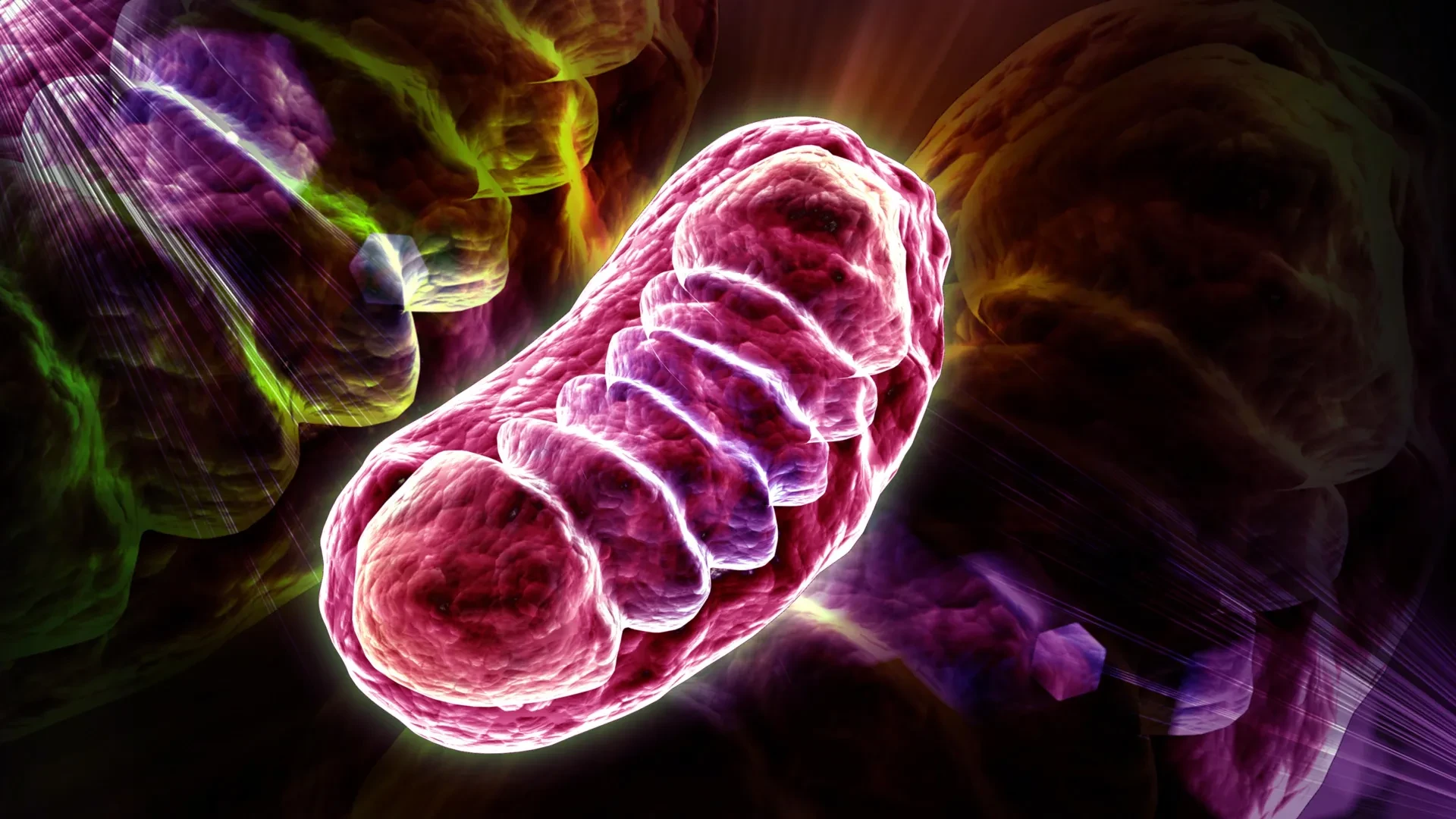
Abnormal RNA accumulation is a characteristic feature of several cancers and, perhaps more significantly, many neurodegenerative diseases. Conditions such as Alzheimer’s and Parkinson’s disease are defined by the progressive deterioration of nerve cells, and scientists have long noted that mitochondrial dysfunction is a central component of this decline. If aging or genetic factors cause a cell’s RNA cleanup systems to slow down, the resulting buildup of genetic material could be a hidden driver of the mitochondrial stress seen in these diseases.
"We think this has quite broad translational implications," Brahim Belhaouari said. "Too much double-stranded RNA or mRNA that cannot be degraded effectively may contribute to disease processes in some contexts."
By identifying excess RNA as a direct source of mitochondrial stress, the Texas A&M team has provided a new framework for understanding how cellular "clutter" can lead to the energy failures associated with aging and chronic illness.
Potential Implications for mRNA Vaccines and Future Treatments
The study’s findings are also highly relevant to the field of modern pharmacology, particularly the development of RNA-based therapeutics. The success of mRNA vaccines in recent years has demonstrated the power of using RNA to instruct cells to produce specific proteins for medical purposes.
As scientists work to expand the use of RNA technology to treat everything from rare genetic disorders to various forms of cancer, understanding how cells process and respond to large doses of exogenous RNA is vital. The Texas A&M research provides a new set of parameters for researchers to consider when designing these treatments.
The study does not suggest that existing mRNA vaccines are causing mitochondrial damage in the general population. Instead, it offers a deeper understanding of cellular limits, which can be used to optimize the dosage and delivery of future therapies to ensure they remain both effective and safe.
"Understanding this mechanism could help researchers design and optimize future RNA-based therapeutics and vaccines by better understanding how cells respond to large amounts of RNA," Yang said.
Ultimately, the research underscores a fundamental biological truth: even the most essential components of life must be kept in check. For the scientists at Texas A&M, the discovery that mRNA—a molecule as common as it is necessary—can become a toxin in the wrong concentration has opened a new chapter in cellular biology. By continuing to explore the relationship between RNA levels and mitochondrial health, researchers hope to unlock new ways to protect cellular energy and treat the diseases that occur when that energy begins to fade.
The research reported in this study was supported, in part, by the National Institute of Allergy and Infectious Diseases (R01AI143709 to Z.Y.) and Texas A&M University. The content is solely the responsibility of the authors and does not necessarily represent the official views of the NIH.