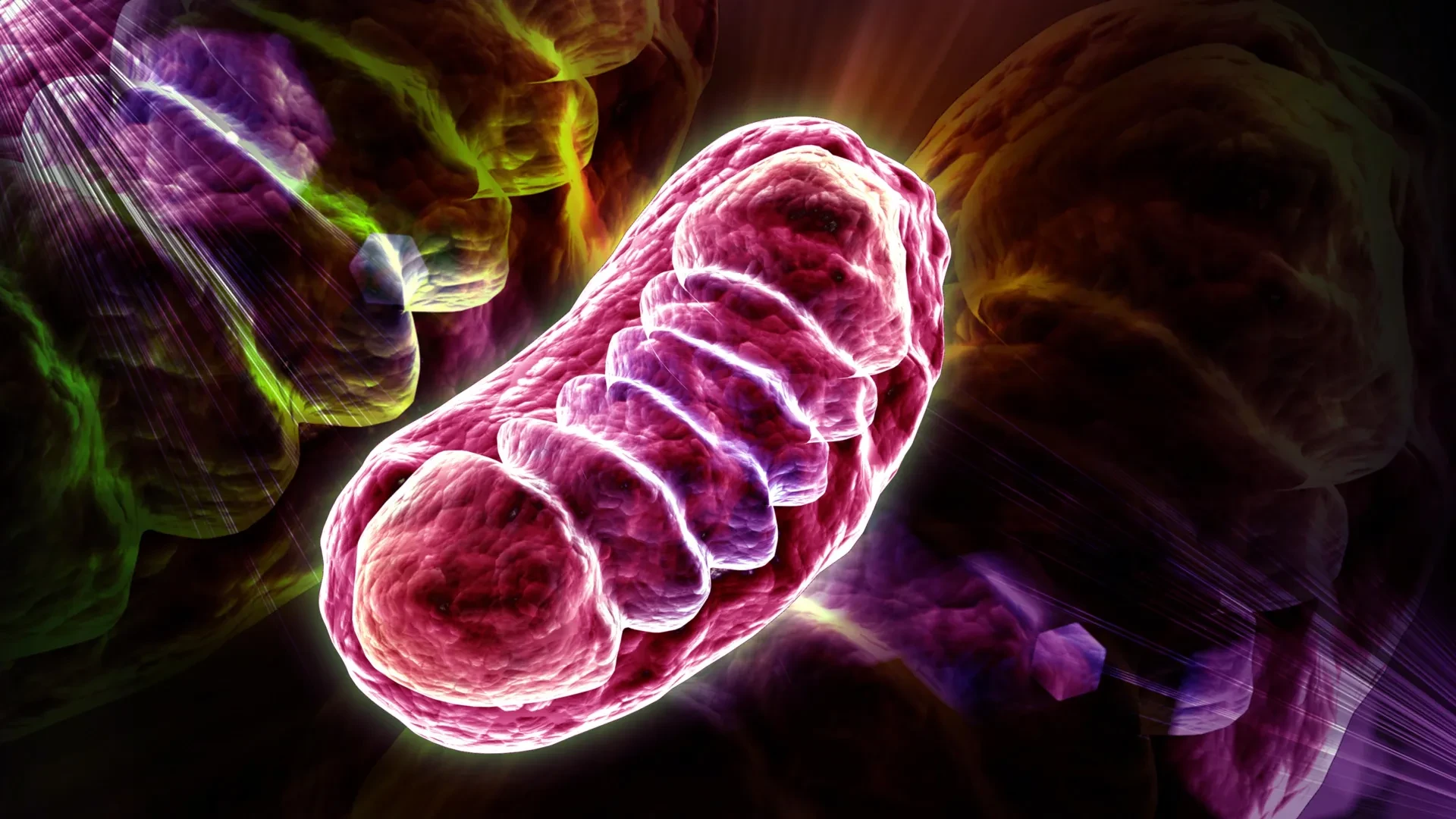
This finding presents a unique biological paradox, particularly for viruses. Viruses are obligate parasites, meaning they are entirely dependent on the host cell to provide the energy and raw materials needed for replication. If a virus reproduces too aggressively and generates an overwhelming amount of RNA, it risks destroying the host cell’s mitochondria. This would effectively cut off the virus’s own power supply, halting its ability to replicate.
According to Dr. Yang, poxviruses—a family of large, complex viruses that includes the pathogens responsible for smallpox and mpox—have evolved sophisticated ways to navigate this challenge. These viruses carry their own RNA cleanup mechanisms, allowing them to prune excess RNA levels within the infected cell. By maintaining this delicate balance, the virus ensures the host cell remains functional just long enough to produce a new generation of viral particles.
"If the cell is not healthy, the virus would not replicate well," Yang said. "The virus needs to keep RNA levels balanced inside the cell."
Scientists Discover RNA Can Directly Damage Mitochondria
The most significant breakthrough of the study occurred when the researchers began to investigate the precise mechanism by which RNA harms mitochondria. Initially, the team hypothesized that the damage was an indirect consequence of the cell’s immune system. They suspected that the buildup of RNA triggered a defensive stress response that, in turn, led to mitochondrial failure.
However, the experimental data told a different story. To test their theory, the researchers isolated mitochondria in a controlled environment, completely removed from the rest of the cell’s immune pathways. When they introduced RNA directly to these isolated mitochondria, the damage still occurred.
"When we isolated only the mitochondria and added RNA, we still saw mitochondrial damage," said Dr. Djamal Brahim Belhaouari, the study’s first author. "That was the moment we realized this could be a previously unknown cellular response to RNA."
The team also observed that the mitochondrial dysfunction began to manifest before any substantial immune activation took place. This suggested that the RNA was not just a signal for the immune system to act, but a direct physical or chemical disruptor of mitochondrial health.
While the exact molecular interactions are still being mapped out, the researchers have proposed a compelling theory based on electrical charges. Mitochondria generate energy through a process that involves maintaining a specific electrical and chemical gradient across their inner membranes. This "voltage" drives the production of adenosine triphosphate (ATP), the universal energy currency of the cell.
Because RNA molecules carry a strong negative electrical charge, the researchers suspect that an unusual accumulation of RNA near the mitochondrial membrane could disrupt this delicate electrical balance. If the charge environment is altered, the mitochondria may lose their ability to produce ATP efficiently, effectively starving the cell of power.
"We think the negatively charged RNA may accumulate around mitochondria and disrupt the electrical balance needed for energy production, although how it happens is unknown," Yang said. "This is a new concept that we are continuing to explore."