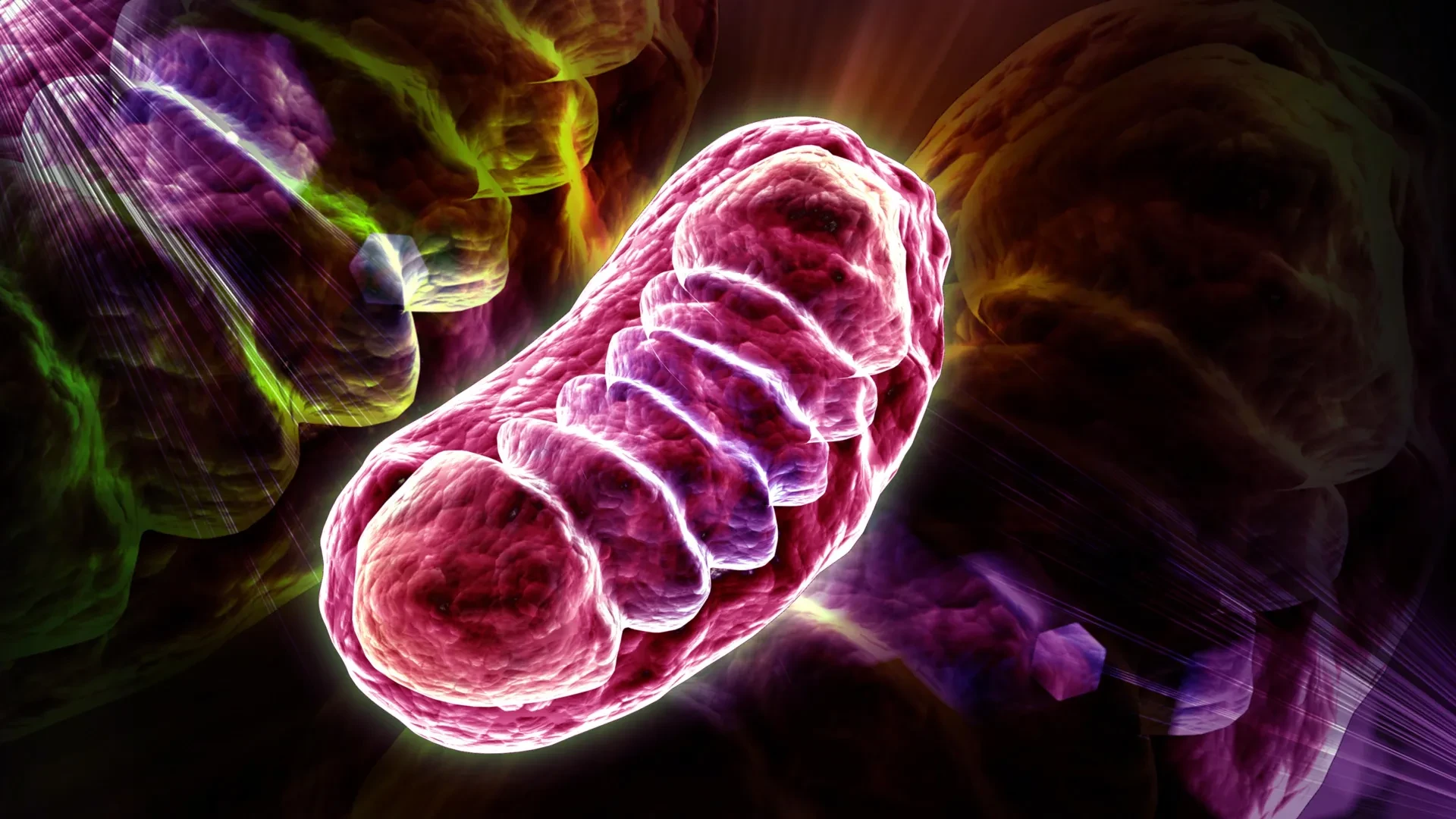
In the complex ecosystem of a living cell, balance is the fundamental requirement for survival. Scientists have long understood that the precise regulation of genetic material and energy production is essential for health. However, a groundbreaking study led by researchers at the Texas A&M College of Veterinary Medicine and Biomedical Sciences (VMBS) has uncovered a surprising and previously unknown threat to this internal equilibrium. According to the research, when a cell accumulates an excessive amount of RNA—the molecular messenger of life—it can inadvertently "short-circuit" the mitochondria, the very structures responsible for powering the cell’s vital functions.
The study, recently published in the Proceedings of the National Academy of Sciences (PNAS), sheds new light on the hidden costs of viral infections and the critical importance of the cell’s "waste management" systems. While RNA is indispensable for translating genetic instructions into the proteins that build and maintain life, the researchers found that an overabundance of this material can become a toxic burden, leaving cells struggling to generate the energy they need to survive. This discovery has profound implications that reach far beyond virology, offering potential new insights into the mechanisms of aging, the progression of neurodegenerative diseases, and the continued optimization of RNA-based medical treatments, such as mRNA vaccines.
"Scientists have long known that RNA degradation helps control protein production and remove defective RNA," said Dr. Zhilong Yang, a professor in the VMBS Department of Veterinary Pathobiology and the study’s lead investigator. "Our study reveals another important role: it helps cells maintain the energy they need to function properly."
The Vital Balance of RNA Production and Cleanup
To understand why an excess of RNA is problematic, it is first necessary to look at the standard operating procedures of a healthy cell. Cells are in a constant state of flux, producing and breaking down RNA as part of their daily activities. This process, known as RNA degradation, is the cell’s way of ensuring that only the necessary instructions are being followed at any given time. By clearing out old or faulty RNA, the cell can accurately regulate protein production and prevent the buildup of "genetic noise" that could lead to errors in cellular function.
Furthermore, RNA degradation is a key component of the innate immune response. When a virus enters a cell, it often attempts to hijack the cellular machinery to churn out massive quantities of viral RNA. The cell’s ability to recognize and destroy this foreign material is one of its primary lines of defense. However, the Texas A&M study suggests that this cleanup process serves an even more fundamental purpose: protecting the cell’s energy supply.
When the rate of RNA production—whether from the cell’s own genes or from an invading virus—outpaces the cell’s ability to break it down, the resulting accumulation can lead to significant structural and functional damage. The primary victim of this buildup is the mitochondrion.
Why Too Much RNA Can Damage Cells
RNA comes in several varieties, each serving a distinct purpose. Messenger RNA (mRNA) is perhaps the most well-known, acting as the bridge between the DNA in the cell’s nucleus and the protein-making factories in the cytoplasm. These proteins are the workhorses of the cell, responsible for everything from structural integrity to the facilitation of chemical reactions.
Another type, double-stranded RNA (dsRNA), is less common in healthy human cells but frequently appears as a byproduct of viral replication. Because dsRNA is a hallmark of many viruses, its presence usually acts as a high-priority warning signal, alerting the immune system that an intruder has gained access to the cell.
Historically, scientists understood that excessive amounts of double-stranded RNA could provoke intense and potentially harmful immune responses. The surprise for Dr. Yang and his team was the discovery that ordinary mRNA—the very molecule our cells rely on every day—could also become a source of damage if it accumulates in high enough concentrations.
"mRNA is a normal component of our cells, but it seems like with many good things, if we get too much, that can become a problem for the cell," Yang explained. "When too much RNA builds up, including mRNA, it can damage the mitochondria and interfere with the cell’s ability to produce energy."
This finding presents a unique biological paradox, particularly for viruses. Viruses are obligate parasites, meaning they are entirely dependent on the host cell to provide the energy and raw materials needed for replication. If a virus reproduces too aggressively and generates an overwhelming amount of RNA, it risks destroying the host cell’s mitochondria. This would effectively cut off the virus’s own power supply, halting its ability to replicate.
According to Dr. Yang, poxviruses—a family of large, complex viruses that includes the pathogens responsible for smallpox and mpox—have evolved sophisticated ways to navigate this challenge. These viruses carry their own RNA cleanup mechanisms, allowing them to prune excess RNA levels within the infected cell. By maintaining this delicate balance, the virus ensures the host cell remains functional just long enough to produce a new generation of viral particles.
"If the cell is not healthy, the virus would not replicate well," Yang said. "The virus needs to keep RNA levels balanced inside the cell."
Scientists Discover RNA Can Directly Damage Mitochondria
The most significant breakthrough of the study occurred when the researchers began to investigate the precise mechanism by which RNA harms mitochondria. Initially, the team hypothesized that the damage was an indirect consequence of the cell’s immune system. They suspected that the buildup of RNA triggered a defensive stress response that, in turn, led to mitochondrial failure.
However, the experimental data told a different story. To test their theory, the researchers isolated mitochondria in a controlled environment, completely removed from the rest of the cell’s immune pathways. When they introduced RNA directly to these isolated mitochondria, the damage still occurred.
"When we isolated only the mitochondria and added RNA, we still saw mitochondrial damage," said Dr. Djamal Brahim Belhaouari, the study’s first author. "That was the moment we realized this could be a previously unknown cellular response to RNA."
The team also observed that the mitochondrial dysfunction began to manifest before any substantial immune activation took place. This suggested that the RNA was not just a signal for the immune system to act, but a direct physical or chemical disruptor of mitochondrial health.
While the exact molecular interactions are still being mapped out, the researchers have proposed a compelling theory based on electrical charges. Mitochondria generate energy through a process that involves maintaining a specific electrical and chemical gradient across their inner membranes. This "voltage" drives the production of adenosine triphosphate (ATP), the universal energy currency of the cell.
Because RNA molecules carry a strong negative electrical charge, the researchers suspect that an unusual accumulation of RNA near the mitochondrial membrane could disrupt this delicate electrical balance. If the charge environment is altered, the mitochondria may lose their ability to produce ATP efficiently, effectively starving the cell of power.
"We think the negatively charged RNA may accumulate around mitochondria and disrupt the electrical balance needed for energy production, although how it happens is unknown," Yang said. "This is a new concept that we are continuing to explore."
What the Discovery Could Mean for Aging and Disease
The implications of this "RNA-induced energy crisis" extend far beyond the study of viral infections. The researchers believe that this mechanism may play a role in a variety of chronic health conditions where RNA metabolism is known to be impaired.
Abnormal RNA accumulation is a characteristic feature of several cancers and, perhaps more significantly, many neurodegenerative diseases. Conditions such as Alzheimer’s and Parkinson’s disease are defined by the progressive deterioration of nerve cells, and scientists have long noted that mitochondrial dysfunction is a central component of this decline. If aging or genetic factors cause a cell’s RNA cleanup systems to slow down, the resulting buildup of genetic material could be a hidden driver of the mitochondrial stress seen in these diseases.
"We think this has quite broad translational implications," Brahim Belhaouari said. "Too much double-stranded RNA or mRNA that cannot be degraded effectively may contribute to disease processes in some contexts."
By identifying excess RNA as a direct source of mitochondrial stress, the Texas A&M team has provided a new framework for understanding how cellular "clutter" can lead to the energy failures associated with aging and chronic illness.
Potential Implications for mRNA Vaccines and Future Treatments
The study’s findings are also highly relevant to the field of modern pharmacology, particularly the development of RNA-based therapeutics. The success of mRNA vaccines in recent years has demonstrated the power of using RNA to instruct cells to produce specific proteins for medical purposes.
As scientists work to expand the use of RNA technology to treat everything from rare genetic disorders to various forms of cancer, understanding how cells process and respond to large doses of exogenous RNA is vital. The Texas A&M research provides a new set of parameters for researchers to consider when designing these treatments.
The study does not suggest that existing mRNA vaccines are causing mitochondrial damage in the general population. Instead, it offers a deeper understanding of cellular limits, which can be used to optimize the dosage and delivery of future therapies to ensure they remain both effective and safe.
"Understanding this mechanism could help researchers design and optimize future RNA-based therapeutics and vaccines by better understanding how cells respond to large amounts of RNA," Yang said.
Ultimately, the research underscores a fundamental biological truth: even the most essential components of life must be kept in check. For the scientists at Texas A&M, the discovery that mRNA—a molecule as common as it is necessary—can become a toxin in the wrong concentration has opened a new chapter in cellular biology. By continuing to explore the relationship between RNA levels and mitochondrial health, researchers hope to unlock new ways to protect cellular energy and treat the diseases that occur when that energy begins to fade.
The research reported in this study was supported, in part, by the National Institute of Allergy and Infectious Diseases (R01AI143709 to Z.Y.) and Texas A&M University. The content is solely the responsibility of the authors and does not necessarily represent the official views of the NIH.