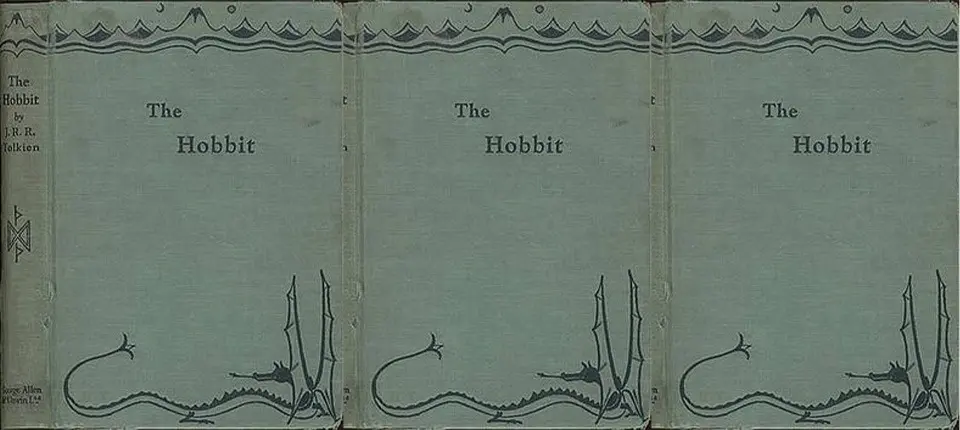
As we look back from the perspective of 2026, the significance of September 21, 1937, remains undiminished. The publication of The Hobbit was the moment that fantasy literature stepped out of the shadows of folklore and fairy tales to become a serious and respected form of literary expression. It reminded readers that the "small" people of the world—those who prefer peace and quiet to gold and glory—are often the ones capable of changing the course of history.
The legacy of the book is also tied to the landscape of Oxford, where Tolkien lived and worked. To this day, fans travel to the city to visit the Eagle and Child pub, where the Inklings met to read their drafts aloud, or to see Tolkien’s grave in Wolvercote Cemetery. The book is more than just a story; it is a piece of cultural heritage that continues to inspire new generations of writers to look at a blank page and wonder what might be living in a hole in the ground.
In an age of rapid technological change and increasingly complex narratives, The Hobbit retains its power because of its simplicity and its heart. It is a story about the importance of friendship, the dangers of greed, and the realization that the world is much larger and more dangerous than one might suspect from the safety of a comfortable parlor. As Gandalf famously tells Bilbo, the world is not in his books and maps, but "out there."
The anniversary of its publication serves as a reminder of the power of a single idea. What began as a distracted scribble on a student’s exam paper became a gateway to another world. J.R.R. Tolkien’s "little book" proved that there is no such thing as a small story, and that even the smallest person can have the greatest impact on the world around them. As the literary community celebrates this date, the journey that began in Bag End continues to resonate, proving that some stories truly are timeless.