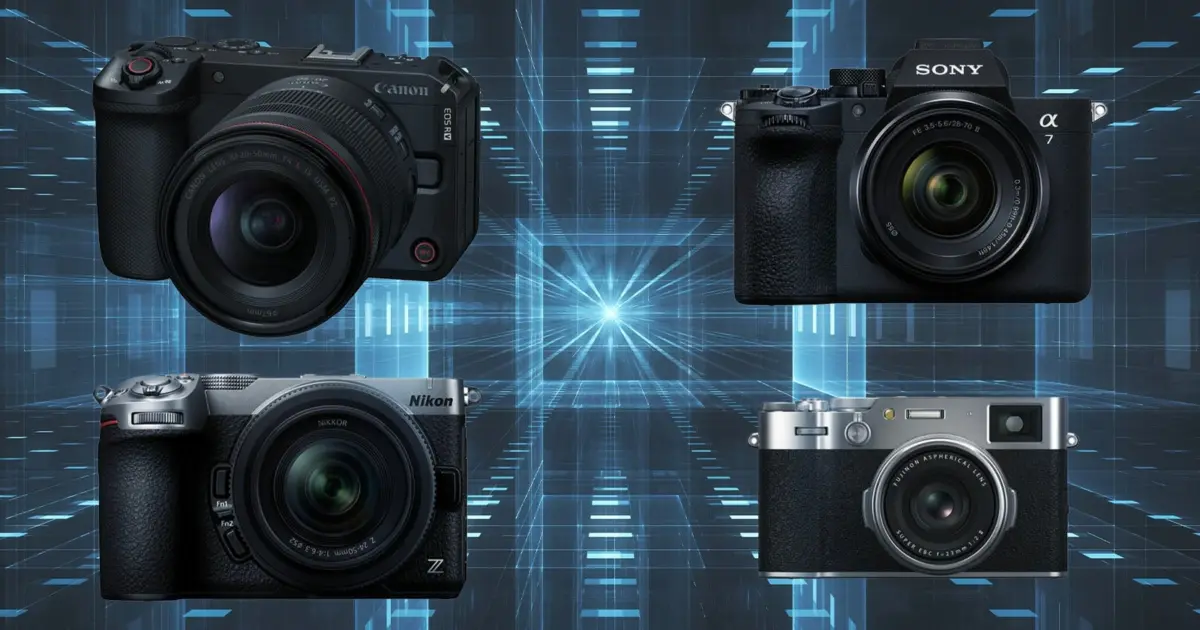
Nikon’s strategy, as outlined by Hiroyuki Ikegami, the General Manager of Nikon’s Video Business Unit, focuses on a different set of priorities: the "cascade" of flagship technology and the "Smartphone + 1" philosophy. Nikon made waves in the industry with the release of the Z9, a flagship mirrorless camera that abandoned the mechanical shutter entirely. However, Ikegami acknowledged that the process of bringing those high-end features down to more affordable, entry-level, and mid-range models takes time. This "trickle-down" approach is essential for maintaining a healthy lineup, even as it exerts downward pressure on the average selling price of their products.
Nikon is currently in a transitional phase, heavily investing in next-generation image processing engines and sensors that will define their future cameras. But perhaps more interesting is Nikon’s view of the camera’s role in a smartphone-dominated world. Rather than trying to compete directly with the phone in a user’s pocket, Nikon sees its products as a "Smartphone + 1" device. This concept positions the camera as a necessary companion—a tool that provides superior optics and preserves the smartphone’s battery life during long days of shooting, while still appealing to a younger demographic that values high-quality output for social sharing. By focusing on the foundational hardware and the "next-gen" engine, Nikon aims to provide a professional-grade experience that feels like a natural extension of the mobile lifestyle.
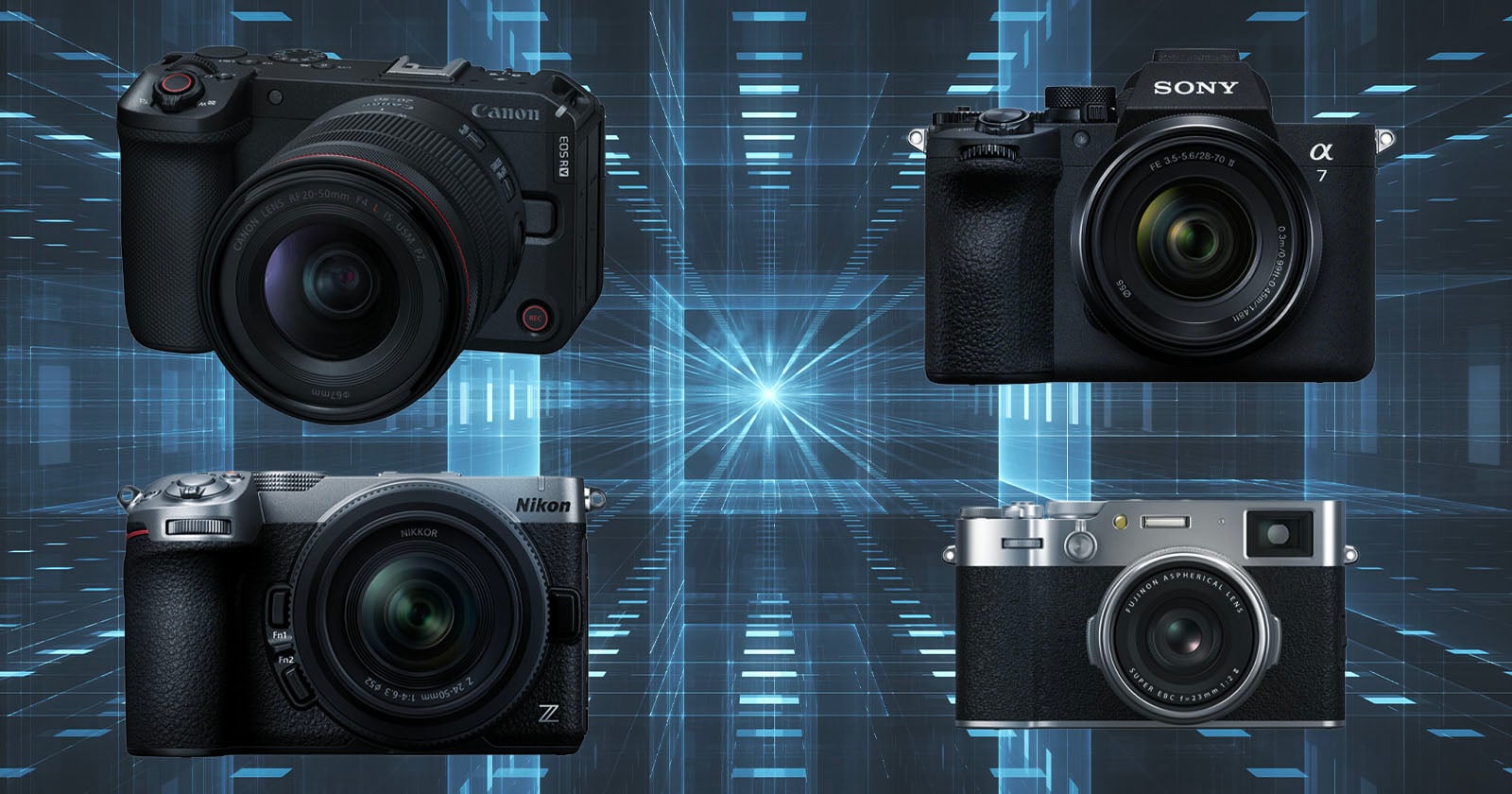
While Canon and Nikon are focusing on the physical experience and the refinement of traditional imaging, Sony is looking toward a much more digital, software-driven horizon. Kenji Tanaka, Senior Vice President of Sony Corporation, introduced the concept of "Spatial AI" as the core pillar of the Alpha series’ future. Sony’s vision goes far beyond the traditional act of taking a photo; it involves using image sensors to capture the physical world and translate it into a "digital twin."
This approach treats the camera as a data-acquisition tool for the creation of immersive content. By creating a digital reproduction of reality, Sony believes creators can simulate different ways of presenting information and then turn those simulations back into content for the physical world. Tanaka explained that the term "Spatial AI" was born from the desire to expand the world of entertainment rather than just improving operational efficiency. For Sony, the Alpha camera is not just a standalone business; it is a gateway into a broader entertainment ecosystem.
This vision also involves a radical redefinition of who a "creator" is. In Sony’s view, a creator is anyone who inspires emotion through their work, including dancers, musicians, and athletes. By leveraging spatial recognition and advanced subject tracking, Sony wants to provide these individuals with tools that enhance their creativity in ways that traditional photography cannot. This moves the camera away from being a passive observer of a scene and toward being an active participant in the creation of personalized, high-tech digital experiences.