*
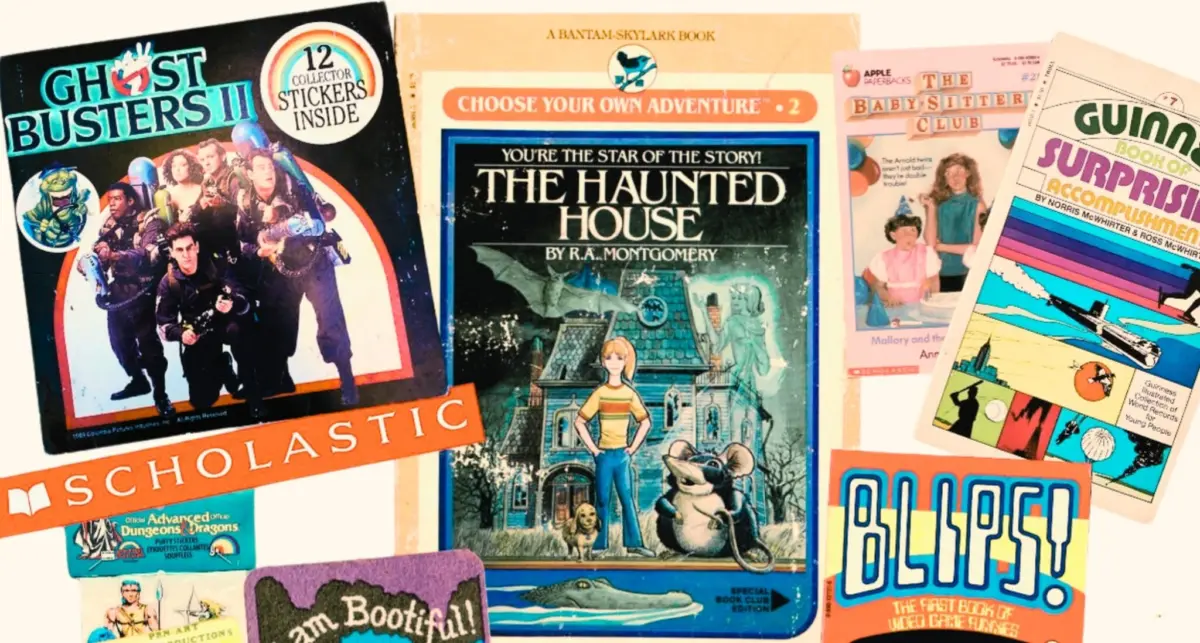
In truth, many of the books that children coveted in previous decades were just as "un-classy" as today’s Minecraft novels. Many students used their autonomy at the fair to buy the very things their parents would never have bought for them elsewhere: Garfield comics, The Baby-Sitters Club, or Teenage Mutant Ninja Turtles books. These titles were often marketed precisely because of their proximity to "more stimulating" television shows and movies. The thrill was the act of possession—the ability to own a piece of a favorite franchise.
This leads to a larger cultural critique involving the concept of "enshittification," a term coined by author Cory Doctorow. Originally used to describe the degradation of digital platforms as they prioritize corporate value over user experience, the term has become a shorthand for the way late-stage capitalism can cause any product or experience to "feel worse" over time. In the context of the book fair, enshittification suggests that the experience has been hollowed out, with the educational mission increasingly sidelined in favor of extracting value through high-margin toys and tie-in merchandise.
However, as Kyle Chayka noted in The New Yorker, identifying enshittification is not the same as solving it. Lamenting that everything has "gone to seed" is a natural byproduct of nostalgia, but it can also lead to a paralyzing sense of "doomerism." When we expect things to be bad, we often stop looking for ways to improve them. We risk assuming that the decline is inevitable rather than a result of specific economic choices.
The debate over the Scholastic Book Fair ultimately lands in a grey area. There is undeniable schlock on the shelves, and the fair remains a vehicle for corporate capitalism within the classroom. Yet, it also continues to provide millions of dollars to schools and, for some children, the only opportunity they have to choose and own a book of their own. Perhaps the fair hasn’t changed as much as we think. Perhaps it was always a fraught, imperfect frenzy of consumerism and coveting. It may be that the fair is the same as it ever was, and it is simply the readers who have finally grown up and seen it for what it is.