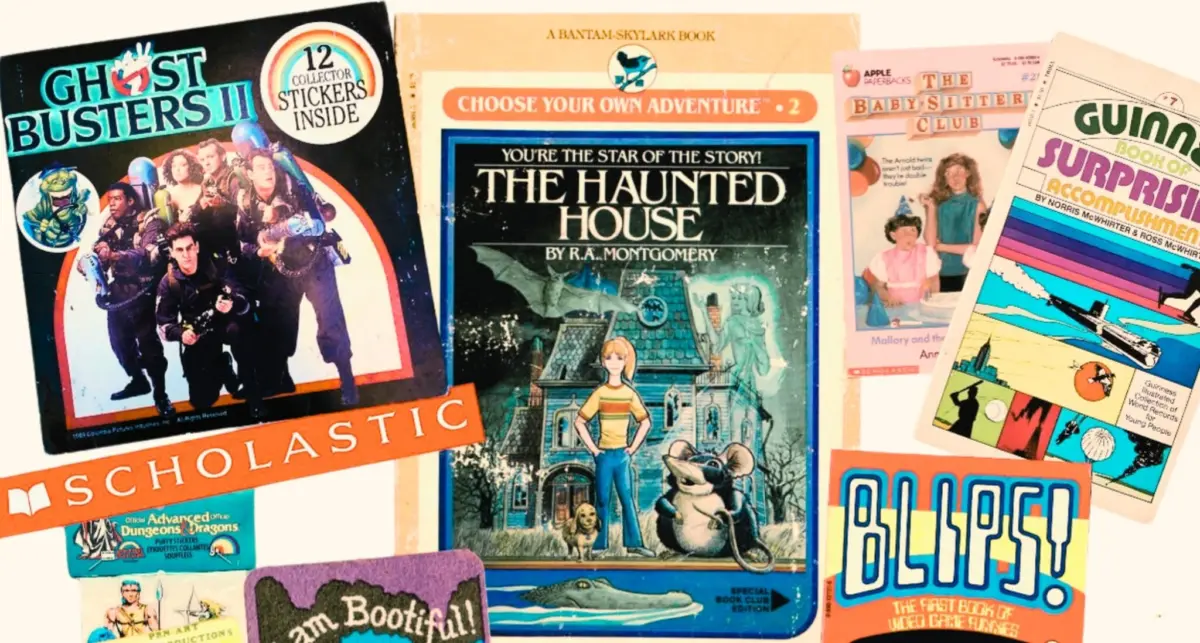
Despite the criticisms regarding content, the Scholastic Book Fair remains an essential financial pillar for the North American education system. In a landscape where public schools are chronically under-resourced, the fair serves as a vital supplemental funding pipeline. According to a Scholastic representative, the fairs have helped raise more than $2 billion for American schools in the last decade alone. This revenue often goes toward purchasing new library books, funding school programs, or providing resources that the standard school budget cannot cover. In the current economic climate, many school administrators find it difficult to "yuck the yum" of a program that provides such significant financial support, even if the quality of the books in the stacks is perceived to have been compromised.
*
Yet, for Cyca and others, the earlier iterations of the fair were defined by a sense of "permissible, wholesome consumerism." There was a specific ritual to the catalog: the careful deliberation, the penciling in of choices, and the anticipation of the order arriving. Cyca recalled the thrill of choosing Scott O’Dell novels or the R.L. Stine books that would inevitably lead to nightmares. This ritual, she argues, was as much about the freedom of choice as it was about the books themselves.
But for many, the experience of the fair was less about the joy of reading and more about the stress of social class. In the high-pressure environment of an American public school, the book fair could be a stark reminder of economic disparity. While some children had the means to buy piles of books and expensive Snoopy-branded stationery, others were left with only enough lunch money for a single sticker sheet. For those who could afford nothing at all, the fair was not a celebration of literacy, but a "torturous rite" of exclusion.
Danika Ellis, an editor at Book Riot and a former bookseller, expressed her long-standing skepticism of the fair’s model to the CBC. She pointed out the inherent paradox of a for-profit entity operating within a public education space. When some kids walk away with stacks of posters and toys while others leave empty-handed, the goal of "exciting kids about reading" becomes overshadowed by the reality of commercial competition. This observation highlights what some call the "original sin" of the fair: the conflation of buying books with the act of reading them.
If the fair has always been an imperfect educational tool that exacerbated micro and macro inequalities, then the current lamentations over its decline may be rooted more in aesthetics than in a genuine loss of educational value. There is a certain "analog library" aesthetic that many adults miss—the smell of the paper, the specific font of the 90s-era catalogs—but purely aesthetic nostalgia can be a misleading guide. It can lead us to mourn the loss of a "purity" that never truly existed.