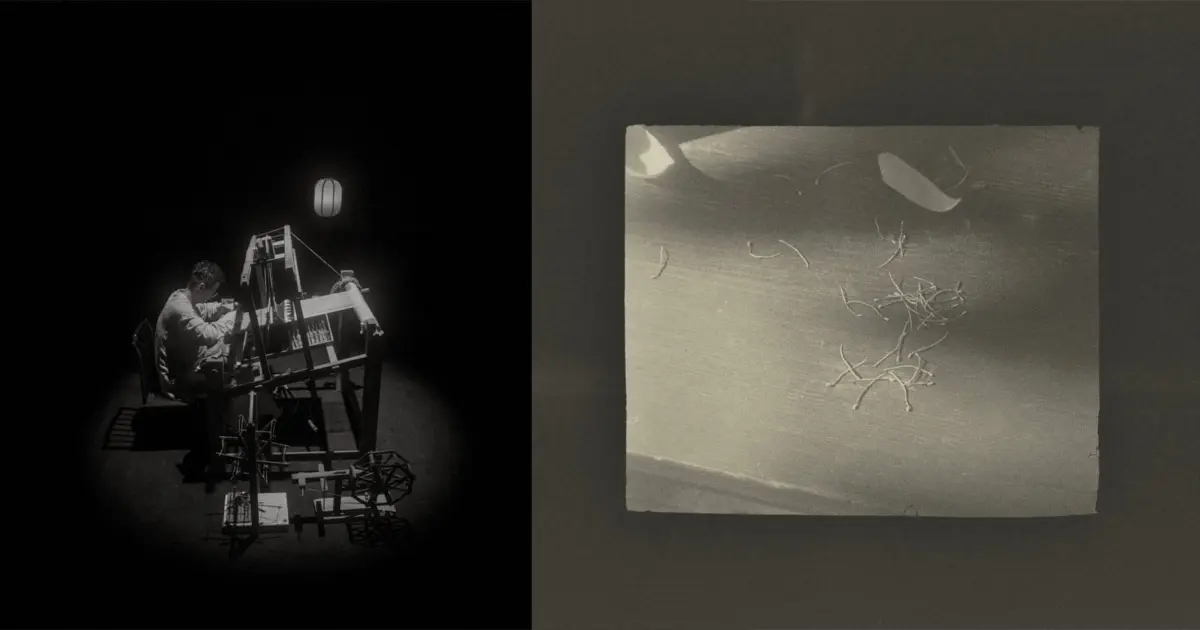
The involvement of Lexar in this project might initially seem paradoxical. As a company that specializes in high-speed digital memory cards and storage solutions, Lexar operates at the cutting edge of modern technology—a world far removed from the hand-cranked looms of Suzhou or the 35mm film of a vintage Leica. However, for Lexar, supporting this exploration of analog heritage is a natural extension of its corporate mission.
"Lexar has always been close to the creative process—photographers, filmmakers, and creators rely on storage to protect work that often cannot be recreated," says Grace Su, General Manager of Lexar EU.
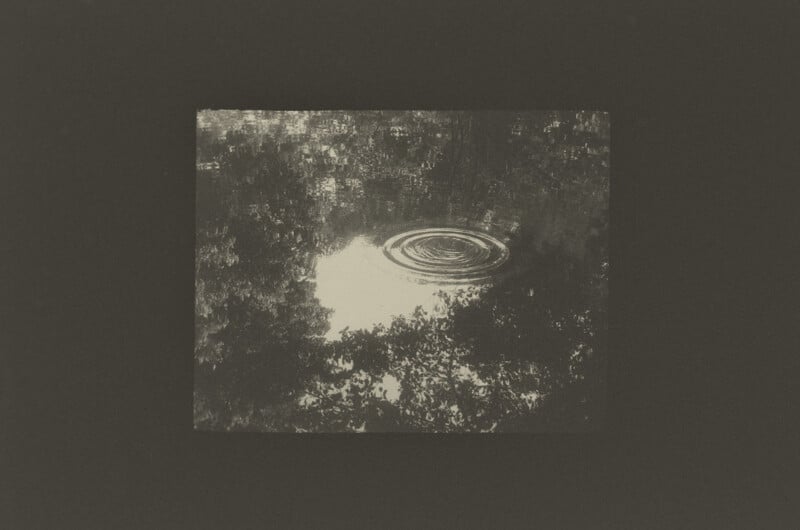
The company, which maintains deep roots in Shenzhen’s tech ecosystem, views itself as a custodian of memory. Whether that memory is stored on a silicon chip or woven into a silk tapestry, the fundamental impulse remains the same: the desire to capture something of value and ensure its survival for the future.
"Kesi builds an image over time, while photography often captures one in a fraction of a second," Su continues. "But both depend on the same thing: a creator deciding what is worth seeing, and how it should be remembered."
This sentiment underscores the core of the collaboration. In a world characterized by "fast fashion" and "instant content," the work of Jingwei and Jing Huang stands as a defiant tribute to the "slow." It is a reminder that some things—whether they are 12th-century weaving techniques or the perfect photographic composition—cannot be rushed. They require a human presence, a steady hand, and a willingness to engage with the world on a deeper level.
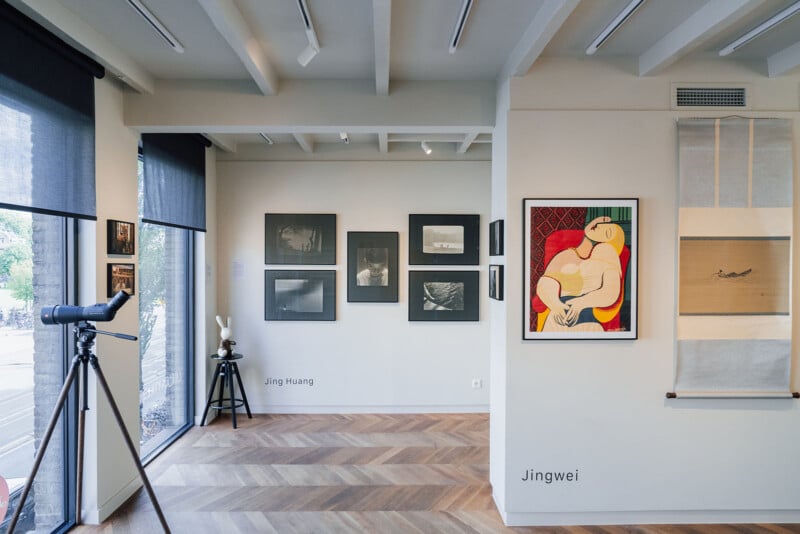
Conclusion: The Enduring Thread
As the exhibition in Amsterdam concludes, the conversation between the weaver and the photographer continues. Jingwei returns to his loom in Suzhou, where the warp and weft await his patient hands. Jing Huang continues to seek the beauty in the negative space, looking for those moments where time seems to stand still.
The partnership between Lexar, Leica, and these two artists has produced more than just an exhibition; it has created a bridge between eras. It has demonstrated that technology and tradition are not mutually exclusive, but can instead serve as mirrors for one another. Through the lens of a camera and the threads of a loom, we are invited to reconsider our own relationship with time and memory, and to appreciate the profound beauty that emerges when a creator decides that something is truly worth remembering.