Despite these advancements, observers noted that the summit did not produce the kind of sweeping, fundamental breakthroughs that would signal a total resolution of the deep-seated ideological and strategic differences between the U.S. and China. However, many experts argue that the incremental nature of the agreements is exactly what makes them significant. By focusing on working-level engagement and the creation of specific task forces, the two nations are attempting to build a foundation of "durable stability" that can survive the political fluctuations of their respective leaderships.
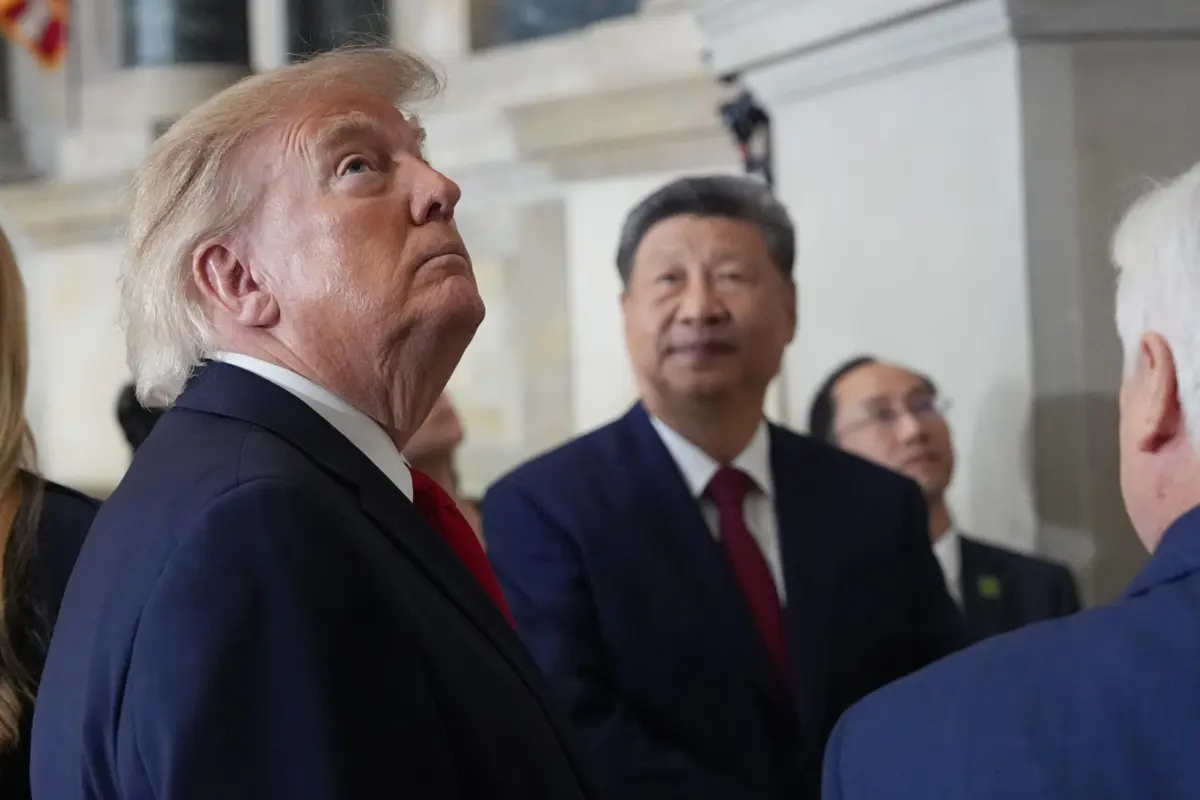
The diplomatic atmosphere of the summit was notably cordial, a point of interest given the history of the relationship. President Donald Trump was described as being remarkably warm toward President Xi Jinping during their meetings, a sharp contrast to the previous year, which saw an escalation of the trade war that sent ripples through the global economy. This personal rapport appeared to facilitate the discussions, even as the two leaders grappled with difficult topics ranging from resource security to regional conflicts.
One such topic was the supply of rare earth elements, which are critical to the production of high-tech electronics, electric vehicle batteries, and defense systems. Following the imposition of U.S. tariffs last year, China had responded by placing stringent export controls on these materials, leading to a significant reduction in supply to the U.S. and other international markets. According to the White House, the two sides continued to negotiate on this front with the shared goal of ensuring that shipment levels return to "appropriate levels," signaling a potential easing of the supply chain bottlenecks that have concerned American manufacturers.
The summit also touched upon pressing international security concerns, specifically regarding the Middle East and the security of global trade routes. Both the U.S. and China issued statements affirming that Iran should honor its commitment not to develop nuclear weapons. This shared stance is particularly noteworthy given the broader geopolitical landscape. Furthermore, the two powers addressed the issue of international waterways, specifically referencing the Strait of Hormuz. Both sides agreed that no country should be permitted to charge a toll on such vital transit points. The Strait of Hormuz has seen a significant reduction in commercial traffic since the commencement of the U.S. war with Iran, and the joint statement reflects a mutual interest in restoring the free flow of commerce through the region.
In addition to high-level security and trade, the summit addressed the ongoing crisis of synthetic opioids. The U.S. welcomed China’s decision to implement new export controls on two additional precursor chemicals used in the production of fentanyl. This move is seen as a vital step in curbing the international supply chain of the drug, which has had a devastating impact on public health in the United States. Both nations noted that their respective law enforcement agencies have recently been able to make arrests in fentanyl-related cases, indicating a level of operational cooperation that persists despite the broader political competition.