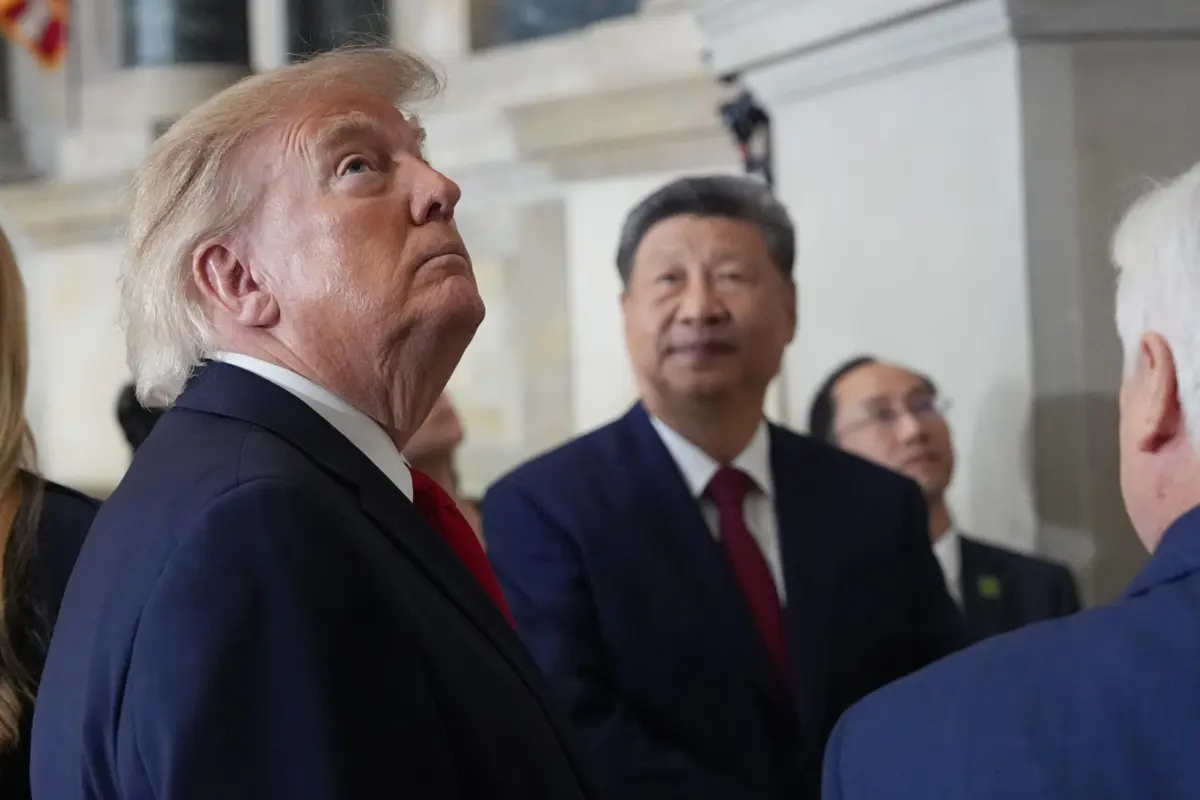
As the summit concluded, President Xi Jinping departed Washington and arrived back in Beijing on Saturday, according to the state news agency Xinhua. The departure marks the end of a high-profile visit that sought to recalibrate the relationship between the two superpowers. While the fundamental differences between the American and Chinese systems remain, the emphasis on institutionalizing communication suggests a shift toward a more managed form of competition.
Wang Zichen, the deputy secretary-general of the Beijing-based think tank Center for China and Globalization, highlighted the importance of this shift. He noted that while personal diplomacy between leaders is essential for setting the tone of the relationship, the true value of this summit lies in the emphasis on "working-level engagement, military-to-military dialogue, and crisis-management mechanisms." According to Wang, these steps suggest a deliberate effort to make the current stability more durable and institutionalized, moving beyond temporary truces toward a more predictable framework for interaction.
Looking ahead, the diplomatic calendar remains crowded with opportunities for further engagement. Both sides have agreed to meet again at the Asia-Pacific Economic Cooperation (APEC) summit, which is scheduled to take place in Shenzhen, China, this coming November. Following the APEC meeting, another high-level encounter is planned for the G20 summit, which is set to be hosted at the Trump National Doral Miami golf club in Florida. These upcoming forums will provide the necessary space for the working groups established this week to report on their progress and for the leaders to continue their dialogue on the most pressing issues facing the international community.
The Washington summit, characterized by its focus on technical safeguards and the restoration of communication lines, reflects a pragmatic recognition by both the U.S. and China that their destinies are inextricably linked. By creating a channel for AI-related incidents and reinforcing military protocols, the two nations are attempting to navigate a new era of technological and geopolitical complexity. While the path forward remains fraught with challenges, the agreements reached this week represent a collective effort to manage the risks of the 21st century through structured diplomacy and sustained engagement.