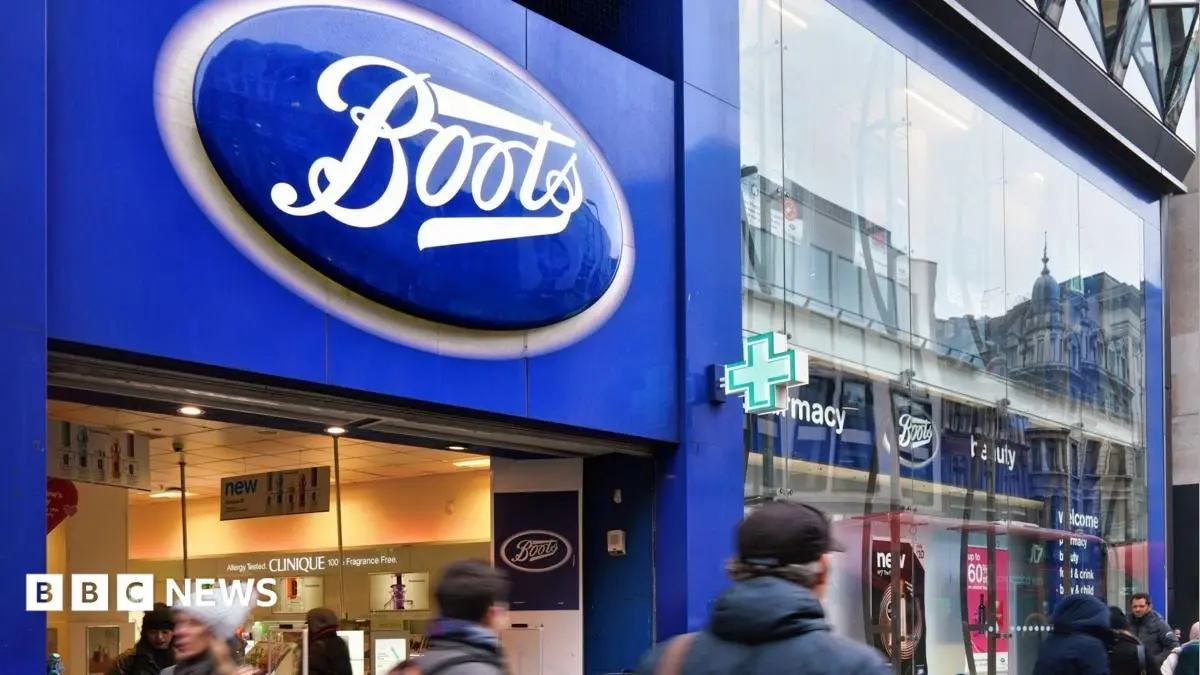
Wittington Investments, the private holding company representing Canada’s billionaire Weston family, has reached an agreement to acquire Boots, the historic British high street pharmacy and beauty retail chain. The transaction, valued at $8.9 billion (£6.7 billion), marks a major shift in ownership for one of the United Kingdom’s most prominent and ubiquitous retail brands. The seller, US-based private equity firm Sycamore Partners, agreed to the divestment just 18 months after it had first acquired the business from its previous corporate parent, representing an exceptionally brief period of ownership for a major retail asset of this scale.
Under the terms of the newly announced agreement, which was officially confirmed by Wittington Investments on Wednesday, the multi-billion-dollar deal encompasses the entirety of Boots’ extensive retail and pharmacy operations across both the United Kingdom and Ireland. The scope of the acquisition is comprehensive, including not only the physical high street chemist shops but also the highly successful Boots Opticians division, the globally recognized skincare and cosmetics brand No7 Beauty Company, as well as Boots’ international operations in Thailand and its various franchised businesses operating in other global territories.
The transaction is subject to the standard regulatory approvals and closing conditions typical of a transaction of this magnitude. The parties involved have indicated that they expect the deal to be fully completed early next year. Upon the completion of the transaction, Galen Weston, the prominent Canadian businessman who serves as the chairman of Wittington Investments, is slated to take over as the chairman of Boots, positioning himself at the helm of the historic retailer as it enters its next chapter of ownership.
The acquisition brings Boots into the portfolio of one of the world’s most powerful and experienced retail dynasties. The Weston family, whose vast business interests span multiple continents, is widely recognized for its deep expertise in both the grocery and pharmaceutical sectors. In Canada, the family controls Loblaws, the nation’s largest food distributor and grocery retailer, as well as Shoppers Drug Mart, Canada’s leading pharmacy and beauty chain. This existing ownership of Shoppers Drug Mart is particularly notable, as its business model closely mirrors that of Boots, combining essential prescription pharmacy services with a robust front-of-store retail offering focused on beauty, cosmetics, health, and daily convenience products.
Beyond their North American holdings, the Weston family has long maintained a highly influential presence in the British retail landscape. They are the majority owners of Associated British Foods, the diversified multinational food processing and retail group that serves as the parent company of Primark, the highly successful fashion chain that remains a cornerstone of the UK high street. The family also has a history of managing premier retail assets in the UK, having previously owned the iconic London department store Selfridges on Oxford Street. They operated the luxury department store for nearly two decades before selling it in 2022 for $4 billion. This deep familiarity with British consumer habits and high street real estate provides the family with an established foundation as they assume control of Boots.
The sheer scale of the Weston family’s financial resources is reflected in their standing among the global elite. In the most recent edition of the Sunday Times Rich List, the family was ranked as the fifth-wealthiest entity in the United Kingdom, boasting a combined family fortune estimated at nearly £19 billion. This immense financial backing is expected to provide Boots with a level of capital security and investment potential that contrasts sharply with the leveraged structures often associated with short-term private equity ownership.
The exit of Sycamore Partners after only a year and a half represents a rapid turnaround in the corporate history of the chain. The US private equity firm had taken control of Boots following a transaction with the retailer’s previous owner, but its brief tenure was characterized by a rapidly changing macroeconomic environment and ongoing pressures within the physical retail sector. Private equity firms typically operate on longer investment horizons, making the 18-month turnaround of Boots to Wittington Investments a notable development. This rapid transition suggests a strategic pivot toward a buyer capable of offering a more permanent, long-term corporate home for the brand.
The sale comes at a critical juncture for Boots, which has battled a series of compounding structural challenges over the past several years. Like many traditional brick-and-mortar retailers, the pharmacy chain has had to navigate a dramatic shift in consumer behavior, accelerated by the rapid rise of digital commerce. Shoppers have increasingly migrated online, seeking out cheaper health and beauty products from digital-only competitors and direct-to-consumer brands. This transition has put immense pressure on Boots’ traditional high street model, which relies heavily on consistent foot traffic and impulse purchases within its physical locations.
In addition to changing shopping habits, Boots has had to contend with a significant burden of growing debt. To address these financial pressures and streamline its sprawling operations, the company has undergone a major restructuring and rationalization program in recent years. This process has resulted in the closure of hundreds of underperforming branches across the United Kingdom. Despite these widespread closures, Boots remains an absolute giant of the British retail sector, currently maintaining a network of approximately 1,800 stores and employing a massive workforce of around 51,000 people, making it one of the largest private-sector employers in the country.
In announcing the acquisition, Galen Weston sought to reassure both employees and consumers of the family’s long-term commitment to the business. He emphasized the deeply ingrained cultural and social significance of the brand, noting that the firm plays a vital role in everyday life across the UK and Ireland. Rather than viewing the retailer as a distressed asset in need of further aggressive cost-cutting, Weston signaled that Wittington Investments intends to embark on a strategy of renewal, modernization, and growth.
Weston’s comments highlighted a distinct contrast in operational philosophy compared to the short-term focus of private equity. He explained that the new ownership group sees a meaningful opportunity to make a great business even better through stable long-term ownership, further capital investment, and the renewed operating focus required to serve customers with excellence for generations to come. This promise of stable long-term ownership is likely to be welcomed by Boots’ 51,000-strong workforce, who have endured years of corporate uncertainty, ownership changes, and restructuring efforts.
The acquisition raises intriguing possibilities for operational synergies between Boots and the Westons’ Canadian retail operations. The family’s experience with Shoppers Drug Mart could prove invaluable in revitalizing Boots’ retail proposition. Under the Westons’ stewardship, Shoppers Drug Mart successfully modernized its beauty halls and integrated advanced digital pharmacy services, strategies that Boots has already begun to explore but could accelerate under its new owners. Furthermore, the inclusion of the No7 Beauty Company in the deal provides the Westons with a powerful, proprietary skincare brand that already enjoys high consumer loyalty and could be further leveraged internationally.
The acquisition of Boots by Wittington Investments is a landmark moment for the UK retail sector, which has seen numerous high street stalwarts falter or disappear entirely over the last decade. The commitment of a major, family-backed holding company to invest heavily in a physical retail network of 1,800 stores represents a significant vote of confidence in the future of the physical high street, provided that the retail offering is paired with the right digital capabilities and customer-focused execution.
As the transaction moves toward its expected completion early next year, the retail industry will be watching closely to see how the Weston family translates its extensive retail pedigree into a concrete turnaround strategy for Boots. With Galen Weston poised to assume the chairmanship, the focus will inevitably turn to the specific capital investments and operational changes designed to secure the future of this iconic high street institution. For now, the agreement marks the end of a turbulent period of shifting ownership and the beginning of what the new owners hope will be a stable, prosperous era of generational stewardship.