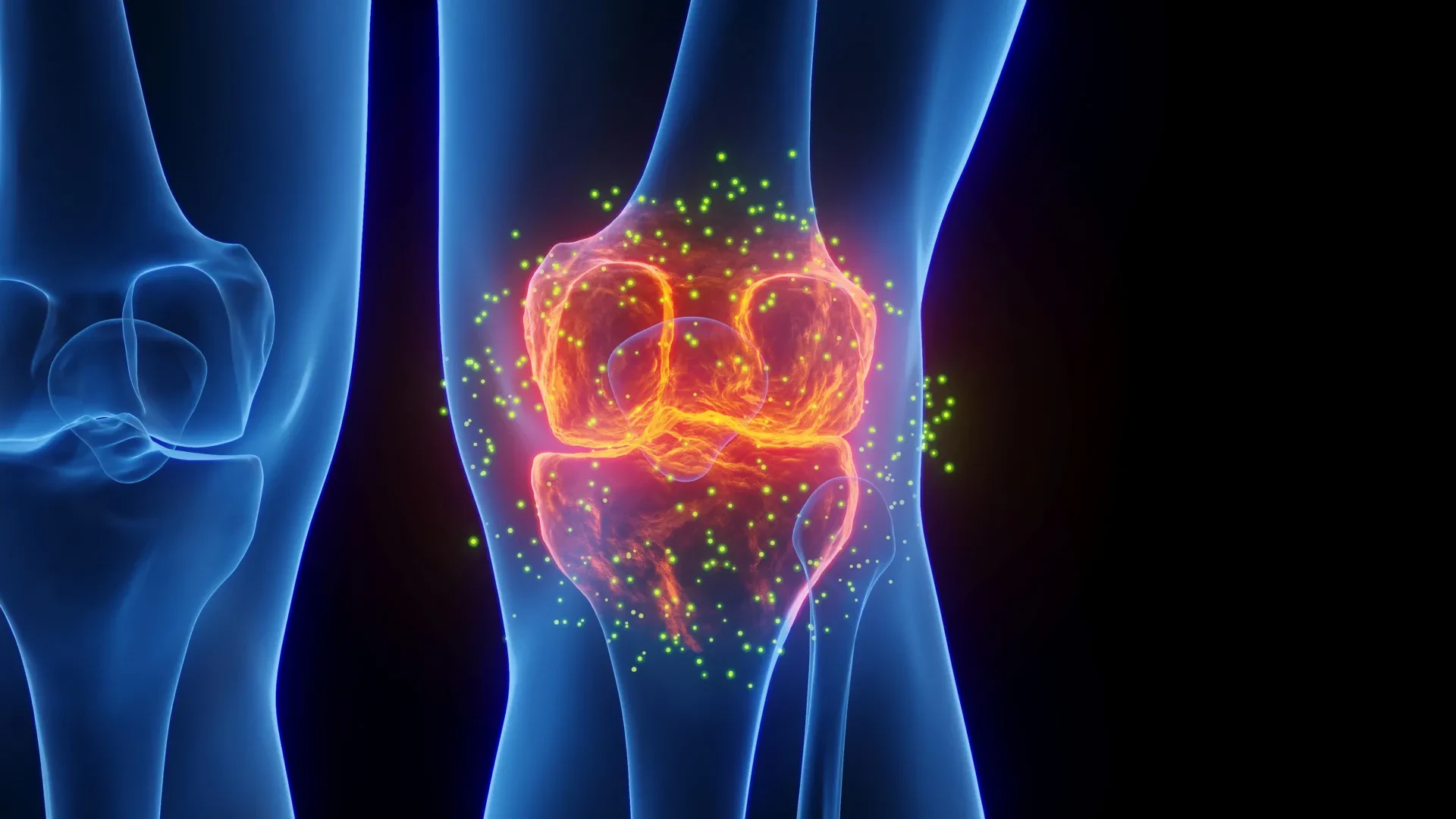
The researchers discovered that this heightened activity creates a destructive "double-whammy" effect. On one hand, it intensifies the transmission of pain signals through the nervous system. On the other, it appears to "reprogram" the chondrocytes. Instead of maintaining the cartilage, the overactive Nav1.7 pushes these cells to actively break down the tissue they are supposed to protect. This makes Nav1.7 an exceptionally rare and valuable therapeutic target: a single biological switch that controls both the sensation of the disease and its physical progression.
"When Nav1.7 becomes dysregulated, it contributes to both joint degeneration and pain," Liu explains. "Our findings suggest that Nav1.7 is a dual-acting target. By blocking this single protein, we can potentially quiet the pain nerves and tell the cartilage cells to not only stop breaking down but start repairing as well."
Epilepsy Drug Shows Potential for Cartilage Repair
Rather than embarking on the decades-long process of developing an entirely new chemical compound, Liu’s team looked toward the existing pharmacopeia. They tested several known sodium channel inhibitors to see if any could effectively dampen Nav1.7 activity in the joint. Among the candidates, lacosamide emerged as the clear frontrunner.
Lacosamide is already a well-established medication, primarily used to treat partial-onset seizures in patients with epilepsy. However, the Yale researchers found that its application in orthopaedics required a much more nuanced approach than its use in neurology. The study revealed that the drug’s ability to repair cartilage was highly sensitive to the dosage provided.
In this instance, more was not necessarily better. The researchers identified an "ideal low concentration" at which lacosamide was most effective. At this specific level, the drug encouraged chondrocytes to produce the proteins necessary for building new cartilage while simultaneously suppressing the enzymes that eat away at joint tissue. If the dose was too high or too low, these regenerative benefits began to diminish, highlighting the need for a precise delivery system.
"This tells us the system is finely tuned," Liu notes. "There is an optimal range where the drug helps restore balance without overcorrecting. What stood out was not just its effectiveness, but how little of a dose was needed."
The team’s investigation into the molecular mechanisms of the drug showed that lacosamide does more than just block a channel; it alters the way cells communicate with their environment. The drug was found to stimulate the release of two critical signaling proteins: HSP70 and midkine. HSP70 is a "chaperone" protein that helps cells survive stress and supports the repair of damaged tissue. Midkine is a growth factor that plays a role in regulating inflammation and protecting the joint from the degenerative processes of arthritis. Together, these proteins create a biological "safety net" that allows the entire joint environment to shift from a state of decay to one of maintenance and repair.
Smart Hydrogel Keeps the Drug Inside the Joint
While the biological findings were promising, the team faced a significant engineering challenge: how to keep the medication where it was needed. When taken orally, lacosamide circulates through the entire bloodstream. This not only dilutes the drug’s effectiveness at the site of the injury but also increases the risk of side effects in the brain or other organs.