As the calendar turns from September to October 2026, the literary community finds itself at a unique crossroads of historical remembrance and urgent contemporary critique. The past week in the literary world has been characterized by a profound exploration of how past legacies inform our present crises, ranging from the anniversary of a titan of American letters to the harrowing parallels between historical media manipulation and modern-day conflicts. This period of reflection offers a vivid snapshot of the "literary internet," a digital ecosystem where the boundaries between craft, politics, and history are increasingly porous.
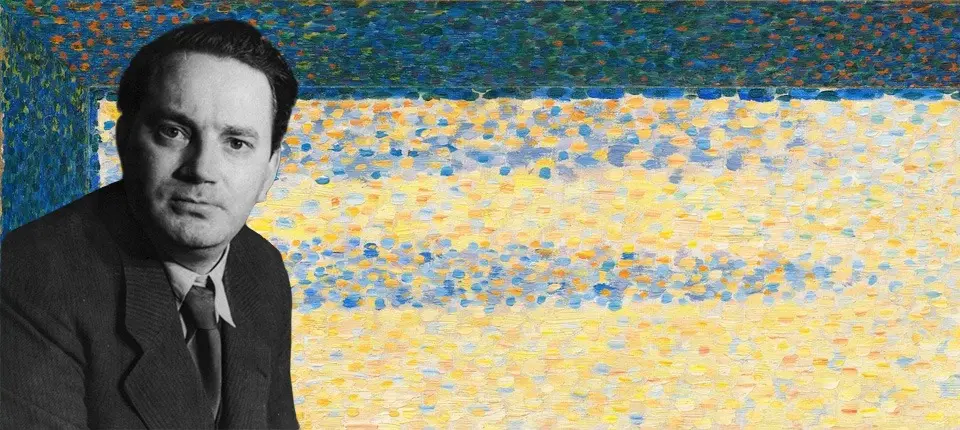
At the heart of this week’s commemorations is the birthday of Thomas Wolfe, born in 1900. Wolfe remains a towering figure in the American canon, best known for his sprawling, lyrical prose and his semi-autobiographical masterpieces like Look Homeward, Angel and You Can’t Go Home Again. His work, often characterized by an insatiable appetite for the American experience and a deep, restless nostalgia, continues to resonate with readers navigating their own sense of displacement. Wolfe’s ability to capture the specific textures of time and place serves as a foundational pillar for modern writers who grapple with the complexities of home and the passage of years.
This theme of looking backward to understand the present is echoed in a series of new inquiries into the supernatural and the historical. While Wolfe’s ghosts were primarily those of memory and lost youth, current literary discourse is examining why actual ghosts appear to be haunting the cultural consciousness with renewed vigor in 2026. This resurgence of the gothic and the spectral suggests a collective anxiety, perhaps reflecting a society struggling to process the rapid technological and social shifts of the early 21st century.
THE BEST OF THE LITERARY INTERNET
The intersection of socio-economic uncertainty and the digital age has become a focal point for many contemporary authors. Angela Flournoy, whose acclaimed novel The Turner House explored the legacy of a family in Detroit, has recently engaged in a wide-ranging discussion regarding her new work, The Wilderness. Flournoy’s insights into class dynamics and the pervasive influence of the internet highlight a growing trend in fiction that seeks to map the "social uncertainty" of our era. By examining how digital connectivity both bridges and widens economic gaps, Flournoy provides a necessary framework for understanding the modern American condition.
In a similar vein of historical excavation, William T. Vollmann has turned his formidable investigative lens toward American foreign policy. Known for his exhaustive research and willingness to confront uncomfortable truths, Vollmann is currently focused on the ideological arc that stretches from the Cold War to the War on Terror. His work attempts to peel back the layers of justification and rhetoric that have defined America’s global presence for decades, offering a sobering look at the human and political costs of interventionism.
The week also brought a visual and narrative journey into the past through the legacy of Ernest Shackleton’s Antarctic expedition. Through a series of photographs and reflections, the literary world revisited the Endurance mission, a story of survival that has become synonymous with human resilience. This retrospective serves as a reminder of the power of documentation and the ways in which historical artifacts—whether journals or photographs—continue to inspire awe and provide lessons in leadership and endurance under extreme pressure.
In the realm of contemporary fiction, Hernan Diaz has been clarifying the intentions behind his latest project. Following the massive success of Trust, Diaz is pushing back against the label of "dystopia" for his new novel. His perspective challenges the audience to look beyond easy categorizations. By arguing that his work is not a dystopia, Diaz encourages a more nuanced reading of the present, suggesting that the "darkness" we perceive in fiction may simply be a more honest reflection of our current reality rather than a projection of a failed future.