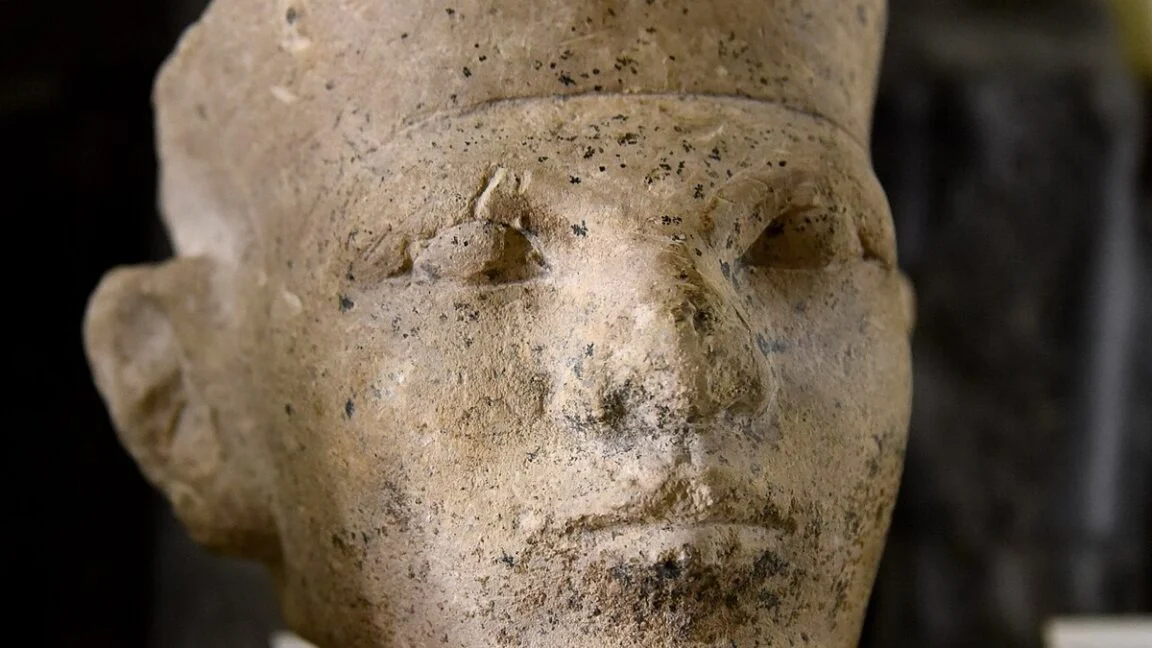
A comprehensive re-examination of 46 ancient Egyptian crania has provided striking new insights into the lives, health, and violent deaths of individuals excavated more than a century ago. The research, conducted by bioarchaeologist Campbell, revisited a collection of human remains originally recovered by the pioneering British archaeologist Sir William Matthew Flinders Petrie. By applying modern forensic and osteological techniques to the ancient skulls, Campbell’s analysis has revealed clear evidence of violent trauma that went unrecognized during the initial excavation, offering a clearer picture of ancient interpersonal violence and early forensic methodology.
The collection consists of 46 individual crania that were preserved for study following their initial discovery. Campbell set out to systematically re-assess the remains to establish accurate demographic profiles, including age and biological sex, while simultaneously scouring the bone surfaces for subtle indicators of health, disease, and potential causes of death.
While Campbell’s initial determinations regarding biological sex aligned closely with Petrie’s century-old assessments, she emphasized the inherent scientific limitations of attempting to assign biological sex based exclusively on cranial morphology. In physical anthropology and bioarchaeology, the cranial vault and facial structures offer useful sex indicators, but the pelvic girdle remains the gold standard for accurate biological sex determination.
Campbell cautioned that achieving absolute certainty in these biological profiles would require direct examination of the individuals’ pelvic bones. However, obtaining those corresponding bones presents virtually insurmountable challenges. Even if sufficient funding and time were available to attempt a re-excavation of the site where the remains were originally disinterred, matching the scattered pelvic bones to their respective crania would be an extraordinarily complex and uncertain undertaking. Over decades or centuries, disarticulated human remains within shared burial environments become separated, making the definitive pairing of isolated crania with specific postcranial bones nearly impossible without intact context or extensive DNA testing.
Telltale fractures
Despite the challenges in establishing definitive individual demographic profiles, the most significant findings emerged from the physical condition of the cranial bones themselves. Campbell identified linear fractures present in 18 of the 46 skulls examined. This means that approximately 39 percent of the sample population bore direct physical evidence of severe head injury.
According to Campbell’s analysis, the presence of these distinct linear fractures strongly points to blunt force trauma caused by deliberate impact. Traumatic blows of this magnitude to the cranial vault would have delivered substantial kinetic energy to the head, knocking the individuals unconscious and triggering severe intracranial hemorrhage. Internal bleeding of this nature, combined with the primary mechanical damage to brain tissue, would very likely have proven fatal to the victims shortly after the impacts occurred.
In addition to the widespread evidence of blunt force impacts, several skulls in the collection exhibited marks consistent with sharp-force trauma. Among these sharp-force injuries were clear signs of chopping impacts directed at the facial region, including distinct trauma surrounding one of the skull’s eye orbits. The presence of both blunt-force and sharp-force injuries suggests that some of these individuals were subjected to violent, targeted physical assaults involving multiple types of weapons or attack methods.