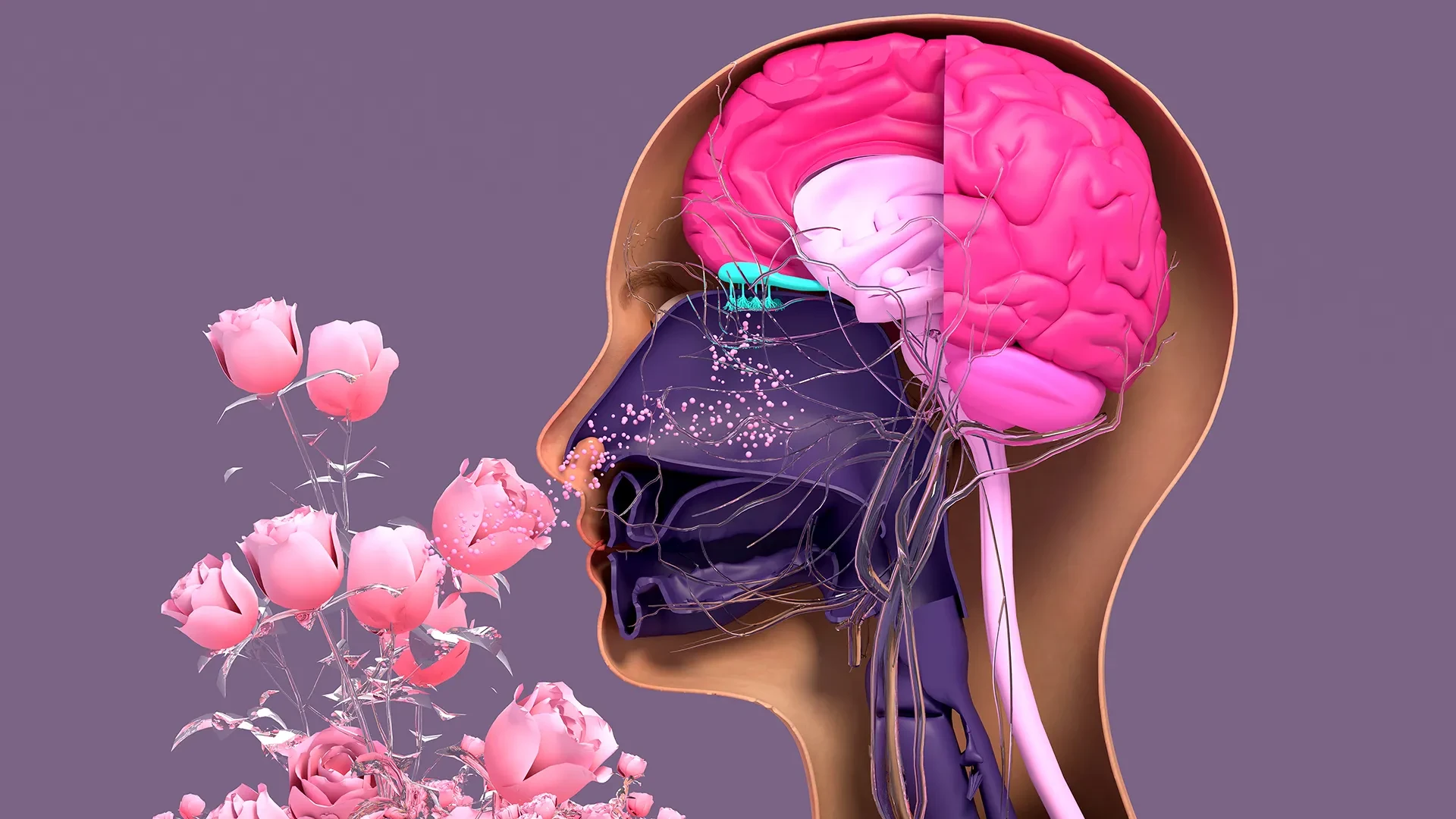
In a discovery that challenges long-held assumptions about how the human body maintains its sense of smell, researchers at Tufts University School of Medicine and the Graduate School of Biomedical Sciences (GSBS) have identified a specific type of stem cell as a primary driver of nasal tissue regeneration. Using a sophisticated, newly devised three-dimensional model to observe the intricate biological processes of the olfactory system, the team found that a population of stem cells previously thought to be largely dormant actually plays a vital role in preserving and repairing the nerve tissue responsible for detecting odors.
The study, published in the journal Cell Reports Methods, provides a new lens through which scientists can view the regenerative capabilities of the nose. While the central nervous system is notoriously limited in its ability to repair itself after injury or disease, the sensory neurons located within the nasal cavity possess a remarkable, lifelong capacity for renewal. These neurons are constantly exposed to the external environment, facing a barrage of toxins, pollutants, and pathogens. To survive this constant exposure, the body relies on a complex internal system of stem cells to replace damaged or aging neurons.
However, when this regenerative process is interrupted—whether by viral infections like COVID-19, prolonged exposure to environmental toxins, or the natural process of aging—the result can be a significant decline in olfactory function. This can lead to hyposmia, a reduced ability to smell, or anosmia, the total loss of the sense. By developing a more accurate 3D model of this tissue, the Tufts researchers have opened a new door toward understanding why these regenerative mechanisms fail and how they might be restored.
The Interdependence of Nasal Stem Cells
At the heart of the study is the relationship between two specific types of stem cells found in the olfactory epithelium: horizontal basal cells (HBCs) and globose basal cells (GBCs). Historically, the scientific community viewed these two cell types through a relatively narrow lens. GBCs were seen as the primary "workhorses" of the nose, constantly dividing and differentiating into new sensory neurons to replace those that died off. In contrast, HBCs were largely characterized as a reserve population—dormant cells that only activated in response to severe, catastrophic injury to the nasal lining.
The new research from Tufts suggests that this division of labor is far more nuanced than previously understood. Through the use of their 3D mouse-tissue model, also known as an organoid, the team observed a high degree of communication and support between the two cell populations.
"Our research suggests that these two stem cells may be interdependent," explained Brian Lin, the study’s senior author and a research assistant professor in the Department of Developmental, Molecular and Chemical Biology at Tufts. "One type that we thought was largely dormant—HBCs—may actually play a crucial role in supporting the production of new neurons and the repair of damaged tissue."
By monitoring the organoids as they developed, the researchers identified a specific subpopulation of HBCs characterized by the production of a protein called KRT5. Rather than sitting idly by, these KRT5-positive cells were found to be active participants in the formation of new olfactory tissue. The team discovered that these cells provide a necessary foundation or signaling environment that allows the GBCs to function effectively.
To test the importance of these "dormant" cells, the researchers conducted an experiment where the KRT5-producing HBCs were selectively depleted from the organoid cultures. The results were stark: without the support of these specific HBCs, the generation of new sensory neurons was significantly impaired. This finding suggests that HBCs are not just a "break glass in case of emergency" backup system, but are essential players in the day-to-day regenerative cycle of the nose.