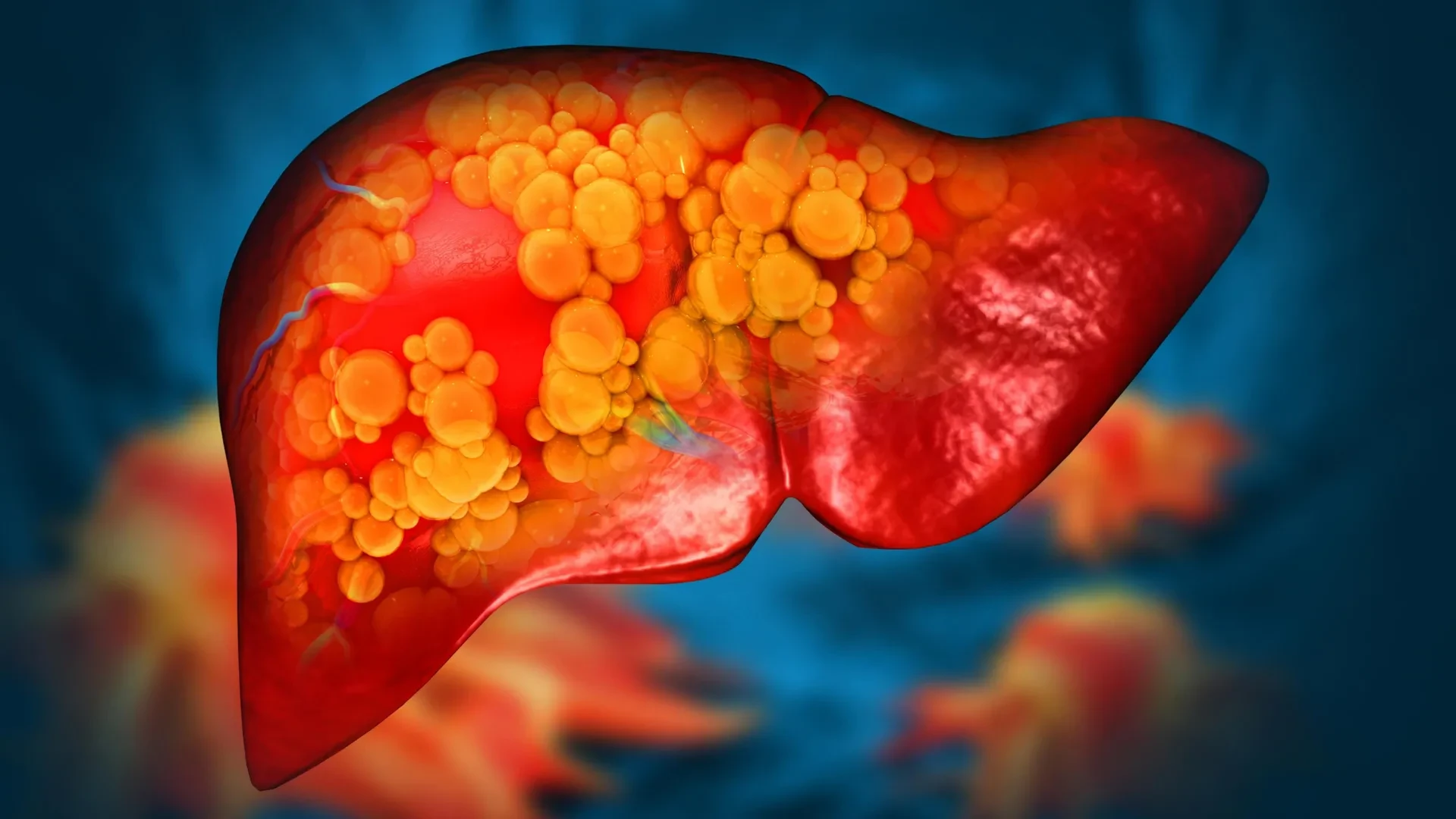
In a significant breakthrough for metabolic health, researchers at Michigan Medicine have developed an experimental drug that reverses a severe and increasingly common form of fatty liver disease. However, the most striking aspect of this discovery is not just the recovery of the organ itself, but the mechanism by which it occurs. Rather than targeting the liver directly, the compound—known as DT-109—focuses its therapeutic power on the gastrointestinal tract, effectively cutting off the source of liver damage at its origin.
The findings, recently published in The Journal of Clinical Investigation, detail how this innovative approach addresses Metabolic Dysfunction-Associated Steatohepatitis (MASH). By reinforcing the integrity of the gut and modulating the community of bacteria residing within it, DT-109 prevents a cascade of inflammatory triggers from ever reaching the liver. This "gut-first" strategy offers a potential paradigm shift in treating a condition that has historically been difficult to manage and often leads to life-threatening complications.
The Growing Global Burden of MASH
MASH, formerly known as non-alcoholic steatohepatitis (NASH), has become a global health crisis, currently affecting approximately 7% of the world’s population. It represents the more aggressive end of the spectrum of fatty liver disease. While many people may have "simple" fatty liver, where fat accumulates without causing significant harm, those with MASH experience chronic inflammation and cellular damage.
If left untreated, the persistent inflammation characteristic of MASH triggers the formation of scar tissue, a process known as fibrosis. Over time, this scarring can become so extensive that it leads to cirrhosis, a state of permanent liver damage that impairs the organ’s ability to function. Beyond cirrhosis, MASH is a leading driver of liver failure and primary liver cancer. Despite the scale of the problem and the recent approval of the first few targeted therapies, the medical community continues to struggle with providing effective, long-term options for the millions of patients currently at risk.
The Michigan Medicine study suggests that the secret to treating the liver may lie in the complex relationship between the digestive system and the metabolic functions of the body—a biological highway known as the gut-liver axis.
How Harmful Gut Bacteria Can Trigger Liver Damage
The research team, led by Eugene Chen, M.D., Ph.D., the Frederick G. L. Huetwell Professor of Cardiovascular Medicine at the University of Michigan Medical School, had previously identified DT-109 as a potential candidate for treating liver disease. DT-109 is a glycine-based tripeptide—a small molecule composed of three amino acids. Amino acids are the fundamental building blocks of proteins, and tripeptides are often highly bioactive despite their small size.
While earlier studies confirmed that DT-109 could improve the condition of the liver in animal models, the precise biological "how" remained a mystery. The latest research provides the missing link, illustrating a destructive chain reaction that begins in the intestines and ends with liver destruction.
Before testing the drug’s efficacy, the scientists identified a specific culprit in the development of MASH: an overgrowth of the bacterium Clostridium perfringens. While many bacteria in the gut are beneficial, an excess of Clostridium perfringens leads to the production of high levels of ammonia within the intestines.
This spike in ammonia is not benign. It acts as a chemical irritant that damages the gut’s epithelial barrier—the delicate inner lining of the intestines. In a healthy state, this barrier acts as a rigorous gatekeeper, allowing nutrients to enter the bloodstream while keeping toxins, waste, and harmful microbes confined to the digestive tract. When the barrier is weakened, a condition often colloquially referred to as "leaky gut," the gate is left open.