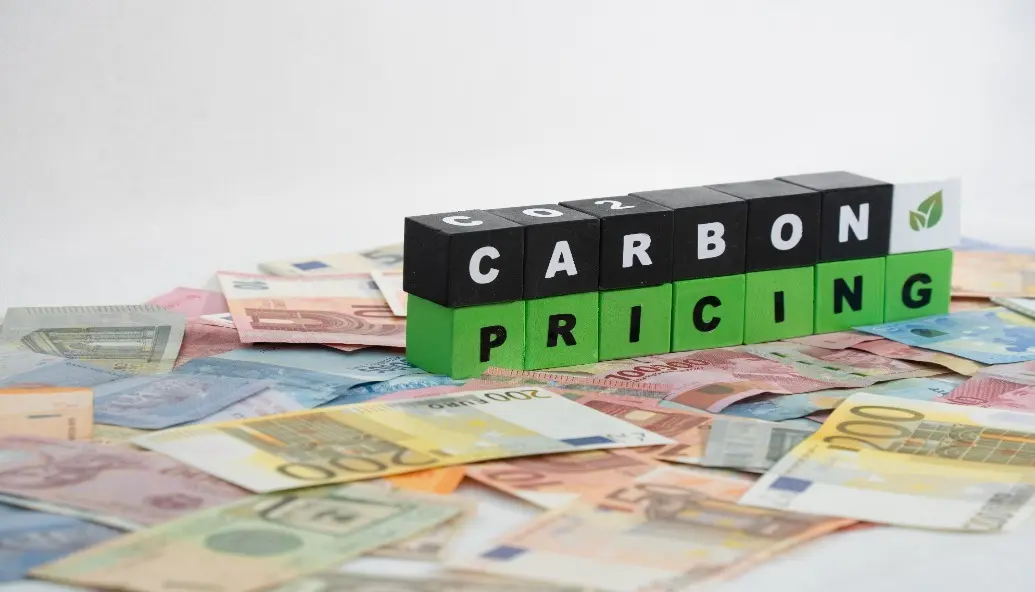
However, the path forward is currently clouded by a "sliding" carbon price and growing skepticism among some European leaders regarding the speed and scope of ETS reform. In recent months, concerns over inflation, high energy costs for consumers, and the competitiveness of energy-intensive industries have led some policymakers to question whether the carbon price should be allowed to rise further. There have even been calls to scale back the ambition of the ETS or to introduce mechanisms that would artificially cap prices to provide short-term relief to the economy.
Eurelectric argues that such a move would be counterproductive and shortsighted. Rather than scaling back ambition, the trade body contends that Europe should strengthen the ETS. The logic is that a weaker carbon price reduces the incentive for companies to switch from coal or gas to renewable alternatives. If the cost of emitting carbon becomes too low or too unpredictable, the business case for multi-billion-euro investments in carbon-neutral technology begins to crumble. This, in turn, could lead to a "lock-in" of fossil fuel infrastructure, making the ultimate goal of net-zero emissions by 2050 much harder and more expensive to achieve.
The "predictability" mentioned by Eurelectric is particularly crucial for the financial sector. Large-scale energy projects, such as offshore wind farms or cross-border interconnectors, have lifespans of 25 to 50 years. Investors and lenders require a degree of certainty about future revenue streams and regulatory costs before they can commit funds. A carbon price that is subject to sudden political intervention or market crashes creates a risk premium that drives up the cost of capital, ultimately making the energy transition more expensive for the end consumer.
Furthermore, the pressure to "electrify everything" is intensifying. From electric vehicles (EVs) replacing internal combustion engines to heat pumps replacing gas boilers, the success of the European Green Deal hinges on the availability of clean, affordable electricity. If the power sector cannot secure the investment needed to decarbonize the generation mix while simultaneously reinforcing the grid, the transition in other sectors will inevitably slow down. A strong carbon price ensures that electricity remains the most attractive option for decarbonization by making fossil-fuel-based alternatives less economically viable.
The challenges facing the industry are compounded by the current geopolitical climate. Following the energy crisis triggered by the invasion of Ukraine, Europe has prioritized energy security alongside decarbonization. While these two goals often align—since renewables reduce dependence on imported gas—the immediate need to replace Russian energy supplies has sometimes led to a temporary resurgence in coal use and an increased reliance on liquified natural gas (LNG). In this context, a robust ETS serves as a guardrail, ensuring that these temporary measures do not become permanent fixtures of the European energy mix.