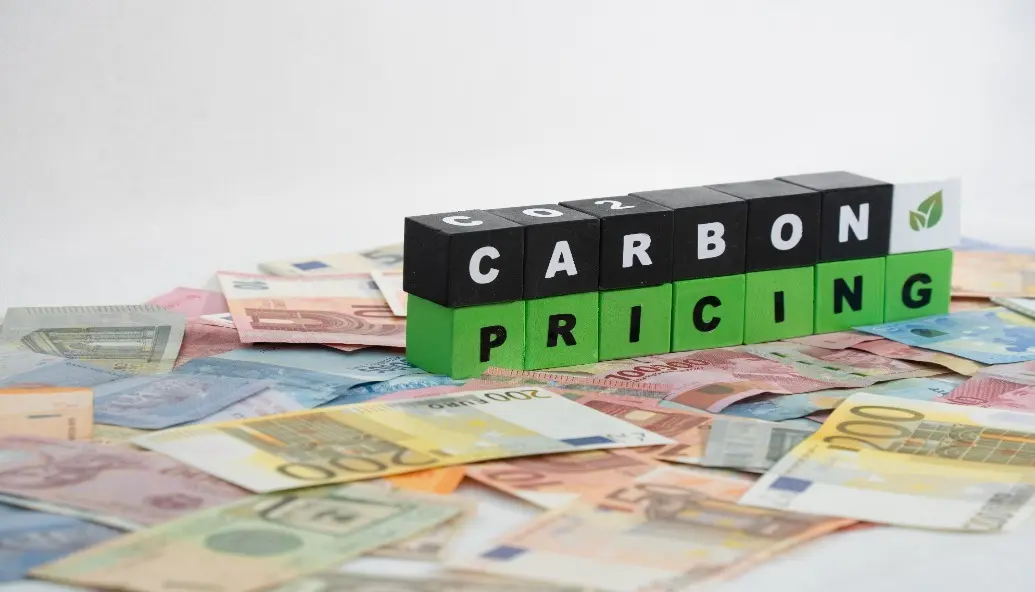
The call for a reinforced Emissions Trading System (ETS) is not merely a request for regulatory clarity; it is, according to industry leaders, an essential prerequisite for providing the strong investment signals necessary to drive decarbonization and electrification. For years, the ETS has served as the cornerstone of European climate policy, utilizing market forces to incentivize the reduction of greenhouse gas emissions. However, recent fluctuations and political uncertainty surrounding the future of the cap-and-trade system have raised concerns that the "polluter pays" principle is being undermined just when it is needed most.
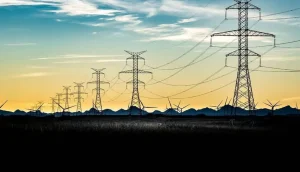
The backdrop to this plea is one of mounting pressure. Europe is currently facing a convergence of challenges that threaten to stall its green ambitions. Electricity demand is projected to rise significantly as the continent shifts away from fossil fuels in the transport and heating sectors. At the same time, much of the existing grid infrastructure is aging, with some components dating back several decades. This creates a dual burden for utility companies: they must not only maintain and replace legacy systems but also expand the network to accommodate a surge in renewable energy sources, such as wind and solar, which are often decentralized and intermittent in nature.
The scale of the required investment is staggering. The European Commission has estimated that hundreds of billions of euros will be required to expand and modernize electricity networks by 2040. However, Eurelectric has gone a step further, warning that the current pace of spending is insufficient. The trade body highlights an annual clean energy investment gap of up to €500 billion (£425bn). This massive shortfall suggests that without a more conducive regulatory environment and a guaranteed return on investment—often signaled by a high and stable carbon price—the private sector may hesitate to commit the capital necessary to bridge this gap.
Kristian Ruby, the Secretary General of Eurelectric, has been vocal about the pivotal role the power sector has played in Europe’s climate journey thus far. He points out that the industry has not only been a participant in the energy transition but its primary driver. According to Ruby, the power sector has been responsible for 75% of the total emissions reductions achieved across all sectors covered by the EU ETS. This track record, he argues, is a testament to the effectiveness of the carbon market when it functions as intended.
The Secretary General emphasizes that the ETS has provided the right signals to unlock investment in clean technologies, which he describes as a necessary step if Europe is to remain competitive on the global stage. As the United States and China ramp up their own investments in green technology through massive subsidies and industrial policies, the European electricity industry maintains that a market-based carbon price is its most effective tool for ensuring efficiency and maintaining an edge in the global race for clean-tech supremacy.
The economic footprint of Europe’s power sector is substantial, contributing approximately €220 billion (£187bn) annually to the European Union’s Gross Domestic Product (GDP). It is a sector that supports millions of jobs and serves as the foundation for the broader industrial economy. Looking ahead, the financial commitments required to reach a fully decarbonized energy system are even more immense. Eurelectric projects that the industry will need to invest more than €5 trillion (£4.2tn) by 2050 in generation capacity and infrastructure. This level of spending is unprecedented and requires a long-term policy framework that can survive multiple political cycles.
However, the path forward is currently clouded by a "sliding" carbon price and growing skepticism among some European leaders regarding the speed and scope of ETS reform. In recent months, concerns over inflation, high energy costs for consumers, and the competitiveness of energy-intensive industries have led some policymakers to question whether the carbon price should be allowed to rise further. There have even been calls to scale back the ambition of the ETS or to introduce mechanisms that would artificially cap prices to provide short-term relief to the economy.
Eurelectric argues that such a move would be counterproductive and shortsighted. Rather than scaling back ambition, the trade body contends that Europe should strengthen the ETS. The logic is that a weaker carbon price reduces the incentive for companies to switch from coal or gas to renewable alternatives. If the cost of emitting carbon becomes too low or too unpredictable, the business case for multi-billion-euro investments in carbon-neutral technology begins to crumble. This, in turn, could lead to a "lock-in" of fossil fuel infrastructure, making the ultimate goal of net-zero emissions by 2050 much harder and more expensive to achieve.
The "predictability" mentioned by Eurelectric is particularly crucial for the financial sector. Large-scale energy projects, such as offshore wind farms or cross-border interconnectors, have lifespans of 25 to 50 years. Investors and lenders require a degree of certainty about future revenue streams and regulatory costs before they can commit funds. A carbon price that is subject to sudden political intervention or market crashes creates a risk premium that drives up the cost of capital, ultimately making the energy transition more expensive for the end consumer.
Furthermore, the pressure to "electrify everything" is intensifying. From electric vehicles (EVs) replacing internal combustion engines to heat pumps replacing gas boilers, the success of the European Green Deal hinges on the availability of clean, affordable electricity. If the power sector cannot secure the investment needed to decarbonize the generation mix while simultaneously reinforcing the grid, the transition in other sectors will inevitably slow down. A strong carbon price ensures that electricity remains the most attractive option for decarbonization by making fossil-fuel-based alternatives less economically viable.
The challenges facing the industry are compounded by the current geopolitical climate. Following the energy crisis triggered by the invasion of Ukraine, Europe has prioritized energy security alongside decarbonization. While these two goals often align—since renewables reduce dependence on imported gas—the immediate need to replace Russian energy supplies has sometimes led to a temporary resurgence in coal use and an increased reliance on liquified natural gas (LNG). In this context, a robust ETS serves as a guardrail, ensuring that these temporary measures do not become permanent fixtures of the European energy mix.
The infrastructure challenge is perhaps the most tangible hurdle. The "ageing grid" mentioned by Eurelectric refers to a network designed for a different era—one of centralized power plants and predictable, one-way flows of electricity. The future grid must be a "smart" grid, capable of managing millions of electric vehicles, rooftop solar panels, and industrial-scale batteries. It must be resilient enough to handle extreme weather events while being flexible enough to balance supply and demand in real-time. Building this network requires not just physical copper and steel, but also significant investment in digital technologies and software.
As the debate over the future of the EU’s climate policy intensifies, the message from the electricity industry is one of cautious urgency. The sector remains committed to the goal of a decarbonized energy system, but it warns that the policy tools used to reach that goal must be protected from short-term political pressures. The €5 trillion investment journey to 2050 is already underway, but its success depends on whether the signals sent by the carbon market remain clear.
Eurelectric’s position is that a well-functioning ETS is the most cost-effective way to achieve climate targets. By putting a price on carbon, the market naturally identifies the most efficient ways to reduce emissions, fostering innovation and rewarding those who invest in clean technology. As the European Union enters a critical phase of its legislative cycle, with discussions on 2040 climate targets looming, the industry’s call for a "predictable, meaningful, and sustainable" carbon price is likely to remain at the forefront of the political agenda.
The stakes could not be higher. If the investment gap remains unaddressed, Europe risks falling behind in the global energy transition, potentially compromising both its climate targets and its economic resilience. For the power sector, the ETS is not just a regulatory requirement; it is the fundamental economic driver that will determine whether the continent can successfully power its future with clean, home-grown energy. Strengthening, rather than diluting, this system is seen by industry leaders as the only viable path forward in an increasingly uncertain world.
Copyright © 2026 Energy Live News Ltd ELN