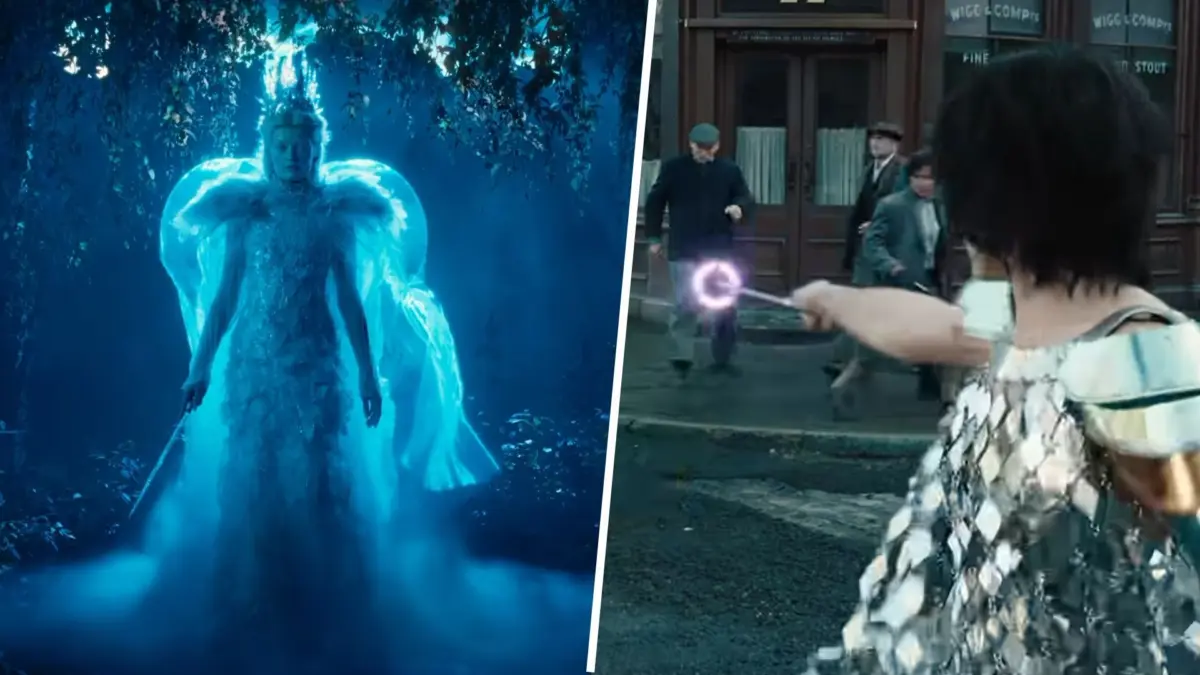
This level of intentionality is consistent with other details scattered throughout the trailer. In one sequence, a logo on a removal van provides a clever premonition of Fledge, the winged horse that plays a pivotal role later in the narrative. Given such meticulous attention to detail, fans have begun to interpret the destruction of "The Eagle & Child" as a symbolic gesture on the part of the filmmakers. On social media platforms like X, the reaction has been polarized. Some viewers have labeled the choice "insanely disrespectful," viewing the literal destruction of Lewis’s favorite haunt as an affront to his legacy. One user noted that while it felt like a slight, it was "ironically accurate" that Jadis, a force of pure nihilism and destruction, would be the one to level the very place where the story was conceived.
The debate has led some critics and fans to suggest that the inclusion of the pub is a form of "cinematic confession." The theory posits that Gerwig and her creative team are using the image to signal to the audience that the movie will consciously break with the established canon of the novels. This approach has been compared to Stanley Kubrick’s famous use of a yellow Volkswagen Beetle in his adaptation of The Shining. In Stephen King’s original novel, the protagonist Jack Torrance drives a red Beetle. Kubrick changed the car’s color to yellow for the film and later included a shot of a crushed red Beetle in a highway accident—a visual cue that many interpreted as Kubrick’s way of informing the audience that his film was a different entity entirely from King’s book.
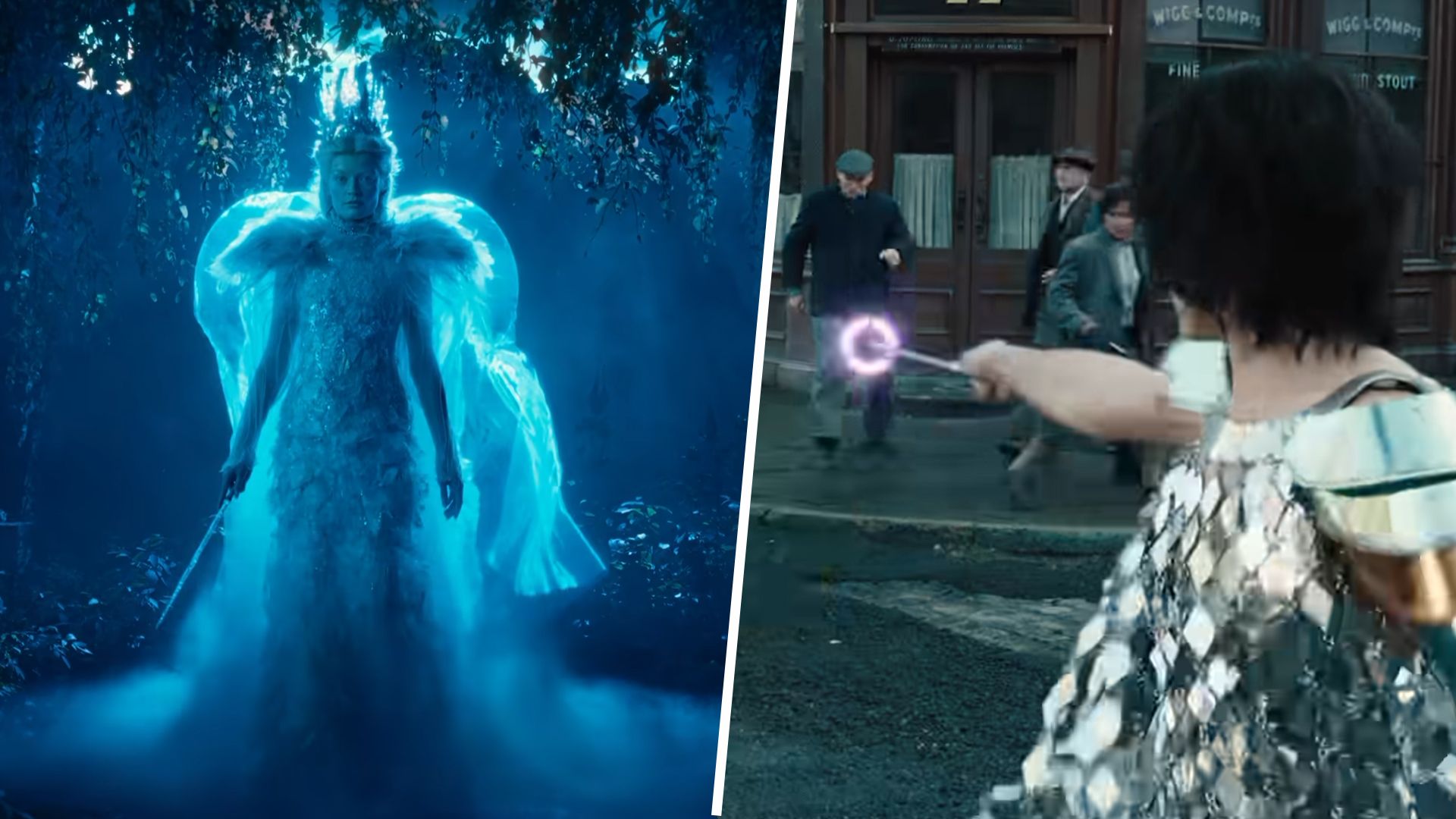
By showing Jadis destroying the spiritual home of the Inklings, Gerwig may be offering a similar disclaimer. The film’s setting itself reinforces this idea of a "meta" interpretation. While The Magician’s Nephew is chronologically set around the year 1900, the movie appears to have moved the timeline forward by approximately fifty years to the 1950s. This shift aligns the "real world" portions of the film with the period during which C.S. Lewis was actually writing the Narnia books. This chronological leap allows the film to function as a commentary on the act of writing and the mid-century environment that birthed these modern myths.
The shift to a 1950s aesthetic also informs the "psychedelic cosmic fantasy" style noted by many viewers. Rather than the grounded, Edwardian atmosphere of previous Narnia adaptations, Gerwig’s vision seems to draw from the burgeoning space-age anxieties and the surrealist artistic movements of the post-war era. This is particularly evident in the glimpses of the "Wood between the Worlds" and the birth of Narnia itself, where the visuals lean into a vibrant, almost hallucinogenic palette that emphasizes the otherworldly nature of Lewis’s cosmology.