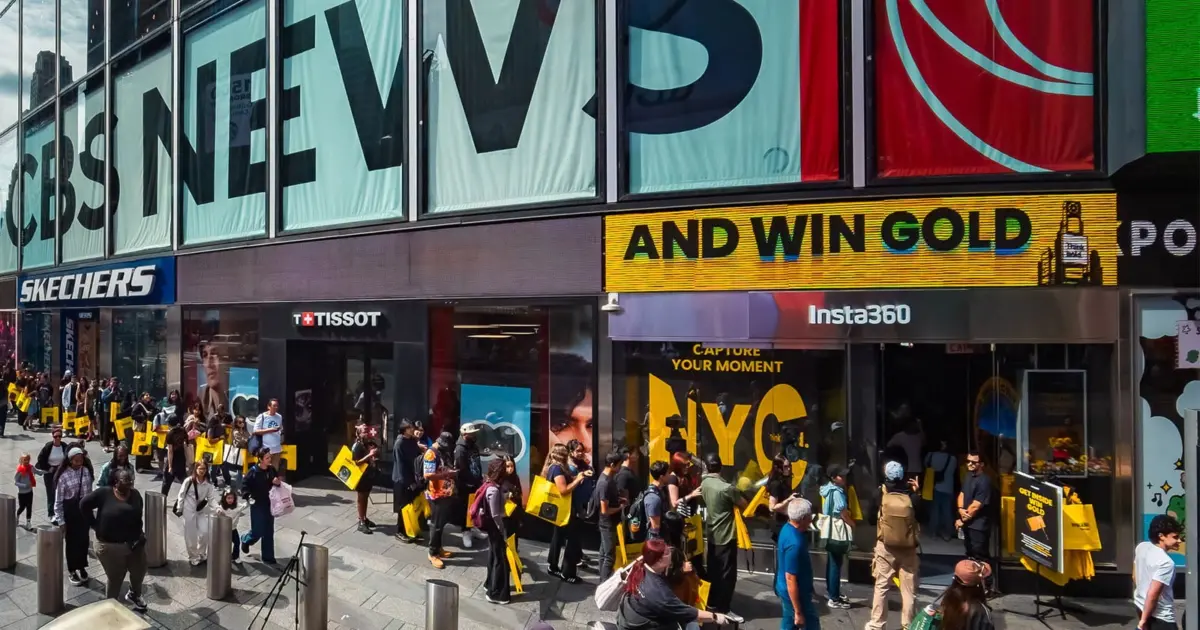
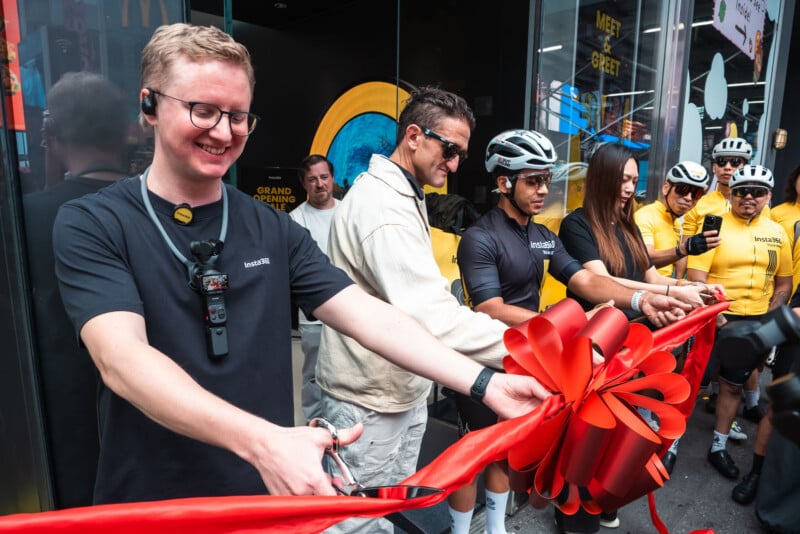
The Experiential Element of Insta360 Cameras
One of the primary drivers behind the move to physical retail is the "experiential" nature of Insta360’s hardware. While traditional cameras are relatively straightforward, 360-degree imaging involves a learning curve that benefits immensely from hands-on demonstration.
Inside the store, the layout is designed to encourage play and education. Large displays showcase the "Invisible Selfie Stick" effect—a software trick that removes the mounting hardware from the footage, making it appear as though a drone is hovering just feet away from the user. For many consumers, seeing this effect on a social media reel is one thing, but understanding how the dual-lens stitching works in real-time is another.
"A lot of people know us from social media. They know these unique effects you can get with our products," Richter explained. "But usually, it’s a challenge to educate users about the technology behind it. I think having this brand experience is a way that we can really educate consumers more, introducing them to the Insta360 ecosystem."
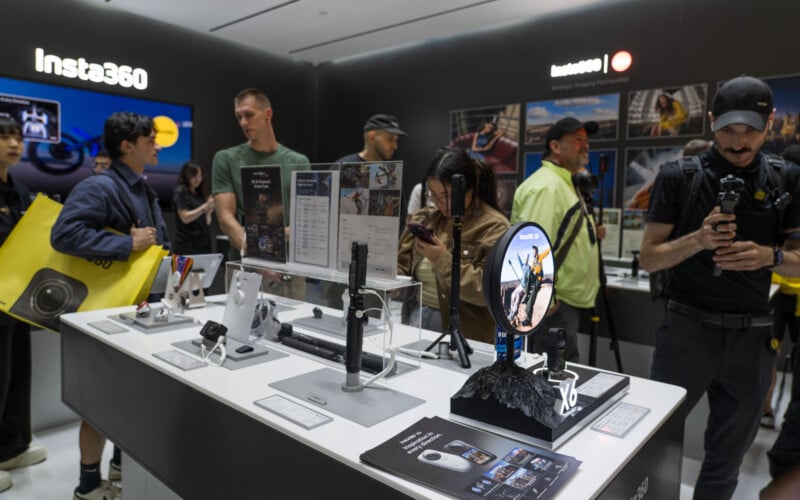
The store also serves as a showcase for the brand’s growing list of partnerships, most notably its collaboration with Leica. The legendary German camera brand has co-engineered the lenses for the new Luna series, including the Luna Ultra and Luna Pro. These gimbal-stabilized cameras are designed to compete directly with high-end vlogging setups, offering superior low-light performance and color science that appeals to a more discerning professional demographic.
Richter emphasized that the store is intended to be a community space rather than just a point of sale. "It’s really about building a community space as well. And I hope that’s what we can accomplish with this first store," he said.
This sentiment was echoed by Tom Harris, President of the Times Square Alliance, who welcomed the brand to the district. "Times Square has always been a global stage for creativity, culture, and cutting-edge technology, making it the perfect home for Insta360’s flagship store," Harris noted.
A Period of Transition for Insta360
The year 2026 has been a prolific one for Insta360’s engineering teams. The summer saw the release of the X6, the company’s flagship 360-degree camera. The X6 represented a significant hardware leap, utilizing a pair of custom Sony Type 1/1.1 image sensors. These larger sensors allow for much higher dynamic range and better performance in challenging lighting conditions, addressing one of the long-standing criticisms of small-form-factor 360 cameras.
Beyond spherical video, the X6 was marketed as a "three-in-one" tool: a 360-degree powerhouse, a high-frame-rate single-lens action camera, and a subject-tracking device. This versatility has allowed Insta360 to bridge the gap between niche hobbyists and mainstream users.