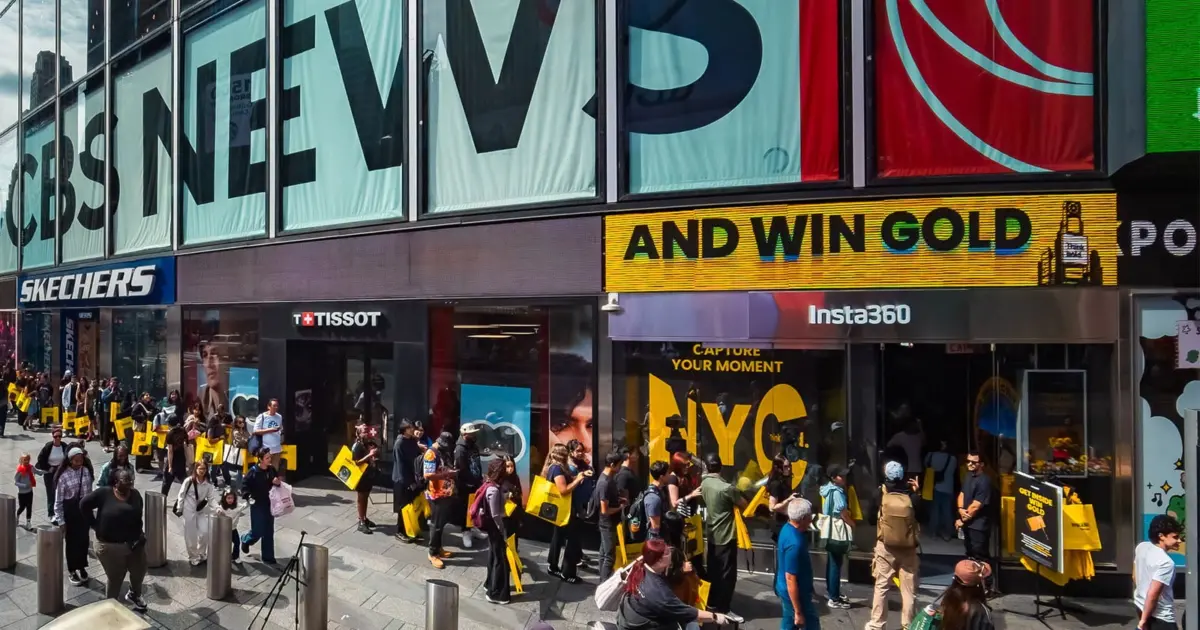
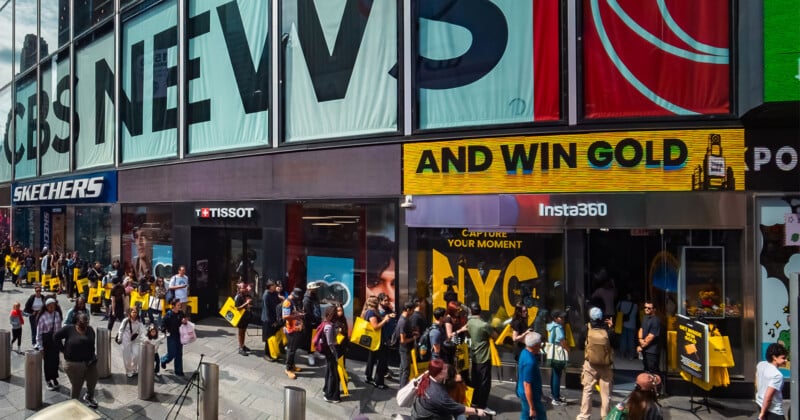
NEW YORK CITY — In a move that signals both a coming-of-age for the brand and a strategic pivot in the global imaging market, Insta360 officially opened its first flagship retail store outside of Asia on September 19, 2026. Located in the heart of New York City’s Times Square, the grand opening drew massive crowds to the "Crossroads of the World," marking a significant milestone for a company that has spent the last decade evolving from a niche startup into a dominant force in the action and 360-degree camera industries.
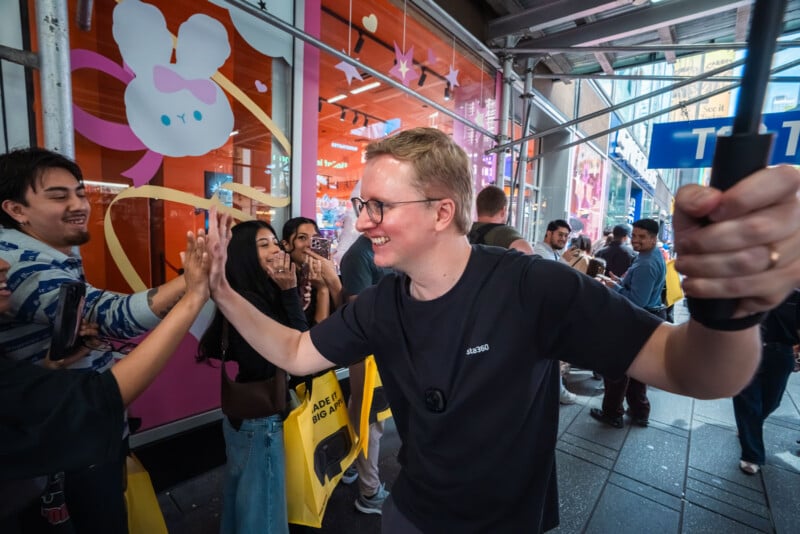
The atmosphere in Manhattan was electric as hundreds, and by some estimates over a thousand, enthusiasts queued along the sidewalk long before the doors opened at noon. The commitment of the brand’s fanbase was on full display; the very first person in line had reportedly arrived at 2:30 AM, enduring the early morning chill to secure a place in history. As a reward for this dedication, the first customer was presented with a one-of-a-kind Insta360 Luna Ultra camera, featuring custom branding and gold-filled engravings—a trophy reflecting the "win gold" theme of the opening day festivities.
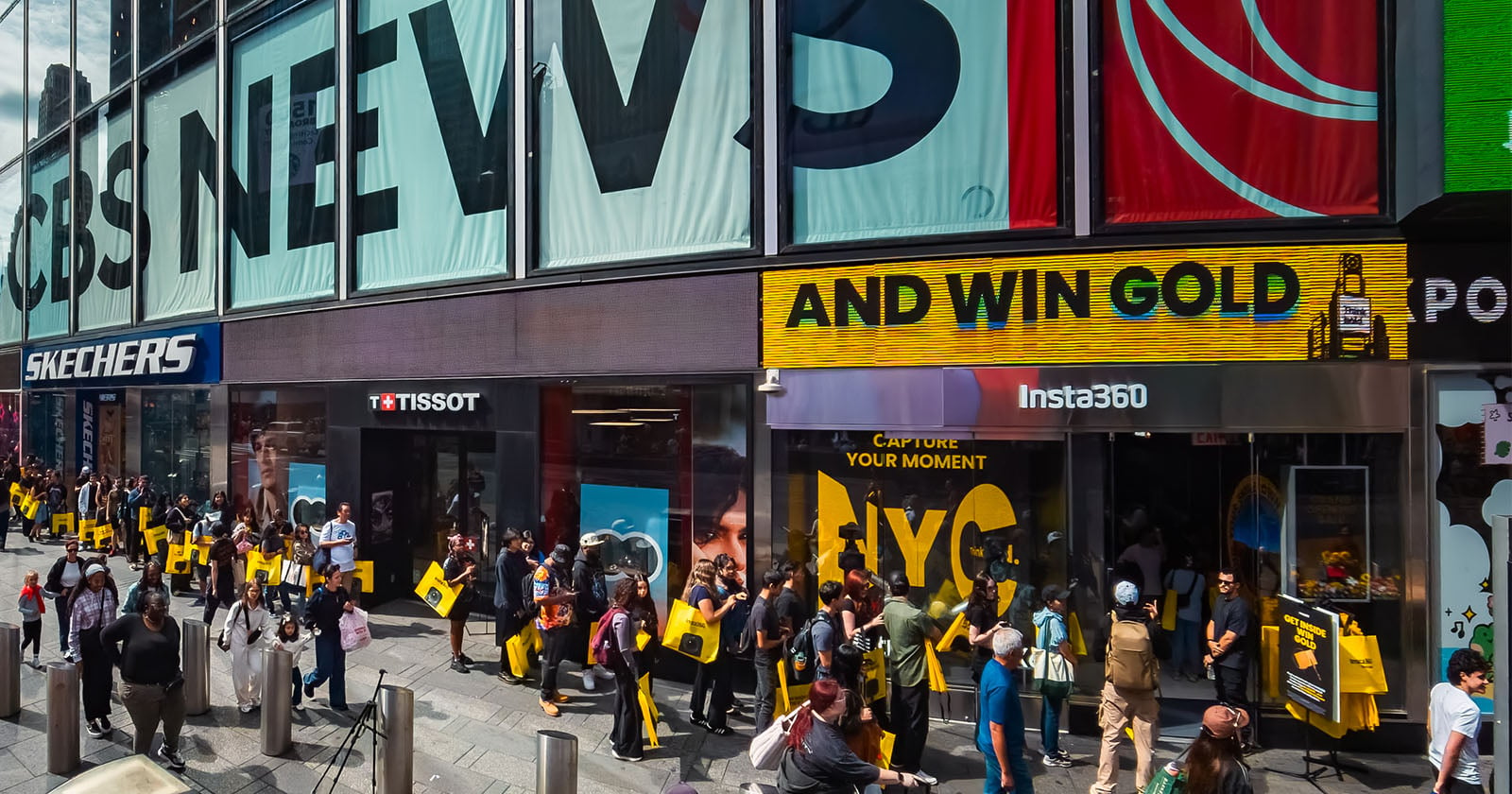
Insta360 Opens Its First Retail Location in the United States
The establishment of a brick-and-mortar flagship in one of the world’s most expensive and high-traffic retail corridors is more than just a symbolic gesture. For Insta360, which was founded in 2015, the journey to Times Square represents a meteoric rise. A decade ago, the brand was a newcomer attempting to convince the world that spherical video was the future of storytelling. Today, the company stands as the undisputed leader in the 360-degree segment, recently celebrating the shipment of its 10 millionth camera worldwide.
The New York flagship arrives at a time of significant transition within the broader camera industry. While the digital imaging market has faced headwinds for years, the "creator economy" has provided a lifeline and a growth engine for companies that can innovate quickly. Insta360’s expansion into physical retail is a direct response to this demand, providing a hub where professional videographers and casual social media users alike can interact with technology that is often difficult to appreciate through a smartphone screen alone.
This U.S. flagship is the latest piece of a sophisticated global retail puzzle. Following the opening of a Tokyo location just last month and dozens of authorized stores across Asia, Insta360 is now looking toward Europe, with a Munich location already confirmed as part of its upcoming expansion.
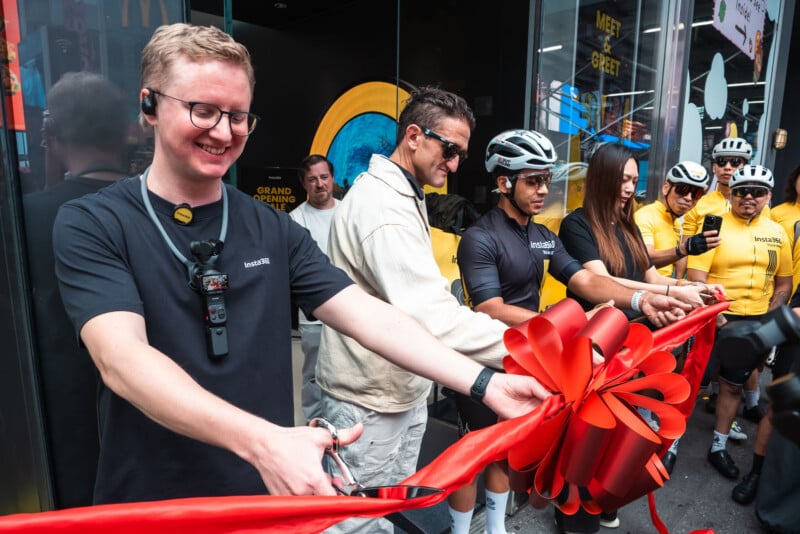
"Reaching 10 million cameras shipped worldwide is a milestone we owe to our community, but opening in Times Square is about building lasting roots," said Max Richter, Co-founder and VP of Marketing at Insta360, while greeting fans and high-fiving those waiting in line. "This store opening is about more than just selling into the U.S.; it reflects our long-term commitment to the American creator ecosystem. We look forward to continuing our support for local creators, connecting directly with everyday users, and making innovative imaging tech approachable for anyone with a story to tell."
The timing of the opening is particularly notable given the current geopolitical and economic climate affecting its primary competitors. DJI, a dominant player in the gimbal and drone space, continues to face regulatory scrutiny and legislative challenges from the U.S. government, which has created a vacuum that rivals are eager to fill. Simultaneously, GoPro—once the synonymous name for action cameras—has undergone its own period of upheaval. Following consistent financial struggles, GoPro recently entered into an agreement to be acquired by the optical data company Starman Optical for $285 million, as the latter looks to pivot the brand toward AI defense and national security applications.
Amidst this industry-wide reshuffling, Insta360 has remained focused on the consumer and prosumer markets, diversifying its portfolio to include not just 360-degree cameras, but also high-end gimbal cameras and ultra-portable "thumb" cameras.
The Experiential Element of Insta360 Cameras
One of the primary drivers behind the move to physical retail is the "experiential" nature of Insta360’s hardware. While traditional cameras are relatively straightforward, 360-degree imaging involves a learning curve that benefits immensely from hands-on demonstration.
Inside the store, the layout is designed to encourage play and education. Large displays showcase the "Invisible Selfie Stick" effect—a software trick that removes the mounting hardware from the footage, making it appear as though a drone is hovering just feet away from the user. For many consumers, seeing this effect on a social media reel is one thing, but understanding how the dual-lens stitching works in real-time is another.
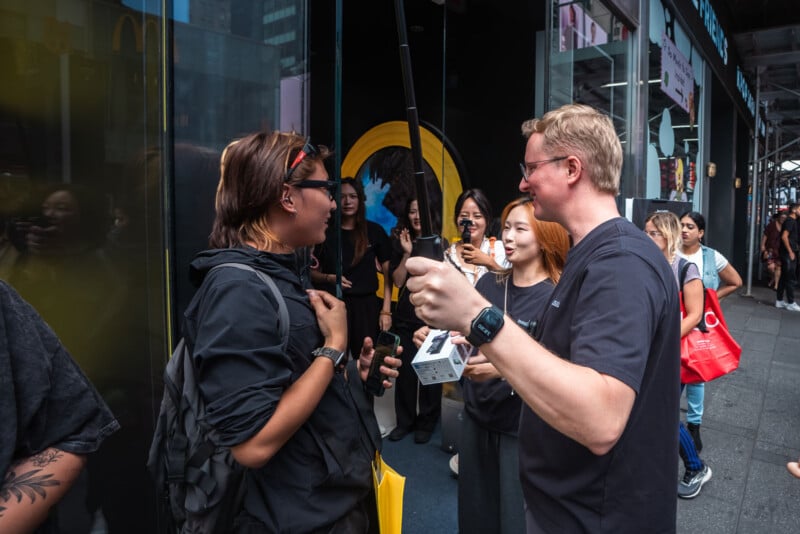
"A lot of people know us from social media. They know these unique effects you can get with our products," Richter explained. "But usually, it’s a challenge to educate users about the technology behind it. I think having this brand experience is a way that we can really educate consumers more, introducing them to the Insta360 ecosystem."
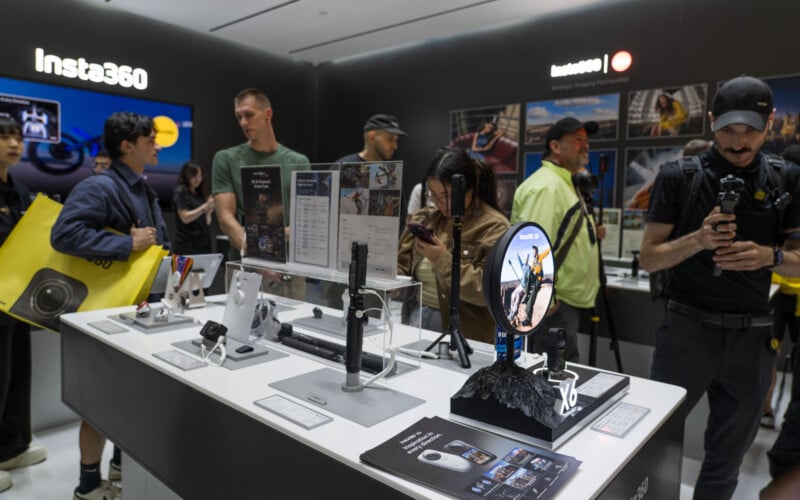
The store also serves as a showcase for the brand’s growing list of partnerships, most notably its collaboration with Leica. The legendary German camera brand has co-engineered the lenses for the new Luna series, including the Luna Ultra and Luna Pro. These gimbal-stabilized cameras are designed to compete directly with high-end vlogging setups, offering superior low-light performance and color science that appeals to a more discerning professional demographic.
Richter emphasized that the store is intended to be a community space rather than just a point of sale. "It’s really about building a community space as well. And I hope that’s what we can accomplish with this first store," he said.
This sentiment was echoed by Tom Harris, President of the Times Square Alliance, who welcomed the brand to the district. "Times Square has always been a global stage for creativity, culture, and cutting-edge technology, making it the perfect home for Insta360’s flagship store," Harris noted.
A Period of Transition for Insta360
The year 2026 has been a prolific one for Insta360’s engineering teams. The summer saw the release of the X6, the company’s flagship 360-degree camera. The X6 represented a significant hardware leap, utilizing a pair of custom Sony Type 1/1.1 image sensors. These larger sensors allow for much higher dynamic range and better performance in challenging lighting conditions, addressing one of the long-standing criticisms of small-form-factor 360 cameras.
Beyond spherical video, the X6 was marketed as a "three-in-one" tool: a 360-degree powerhouse, a high-frame-rate single-lens action camera, and a subject-tracking device. This versatility has allowed Insta360 to bridge the gap between niche hobbyists and mainstream users.
Furthermore, the launch of the Luna series marked the company’s most aggressive move into the gimbal camera market to date. The Luna Ultra, in particular, has received critical acclaim for its detachable display and remote-control functionality, a feature that sets it apart from competitors like the DJI Osmo Pocket series. By allowing creators to frame shots while the camera is mounted out of reach, Insta360 has solved a common pain point for solo content creators.
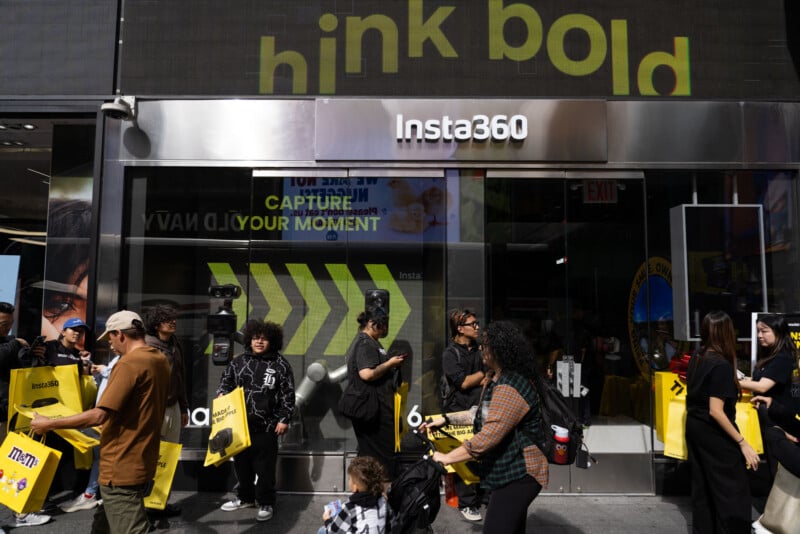
The store also highlights the more unconventional uses of the technology. Over the years, the brand has leaned into its "Think Bold" mantra, documenting cameras being placed in the mouths of sharks to study predatory behavior, sent to the edge of space to capture the "overview effect" of Earth, and even positioned near rocket pads where they were subjected to extreme heat and vibration.
For professional photographer and videographer Anthony Quintano, who attended the grand opening, the store is a reminder of how much the landscape of Times Square has changed. Quintano, who has used almost every Insta360 model since the company’s inception, recalled a time when the area was dotted with traditional film camera shops.
"To be here and not just capture a U.S. audience, but a global audience that comes to visit Times Square and bring awareness to how easy this camera is—that’s the key," Quintano said. "It’s one thing to see influencer videos, but to actually get your hands on it is very important. Once you see how easy it is, I would think that’d be a motivating factor to invest."
Quintano’s history with the brand includes a viral 2019 video shot on an early Insta360 model while he was preparing for the New Year’s Eve broadcast in Times Square. He noted that the speed of the workflow—being able to "shoot first and point later" through reframing software—is what keeps professionals coming back to the platform.
A Big Moment for Insta360
As the doors remained open late into the evening on its first day, the Times Square flagship stood as a testament to how far the imaging industry has shifted toward software-defined hardware. Insta360’s founder, JK Liu, has often spoken of a future where the camera becomes "invisible"—a seamless extension of the creator’s vision powered by AI and advanced optics.
While that fully invisible system may still be in development, the products currently sitting on the shelves of the New York store represent the closest the industry has come to that ideal. From the thumb-sized GO 3 series to the professional-grade Luna Ultra, the focus remains on removing the technical barriers to creativity.
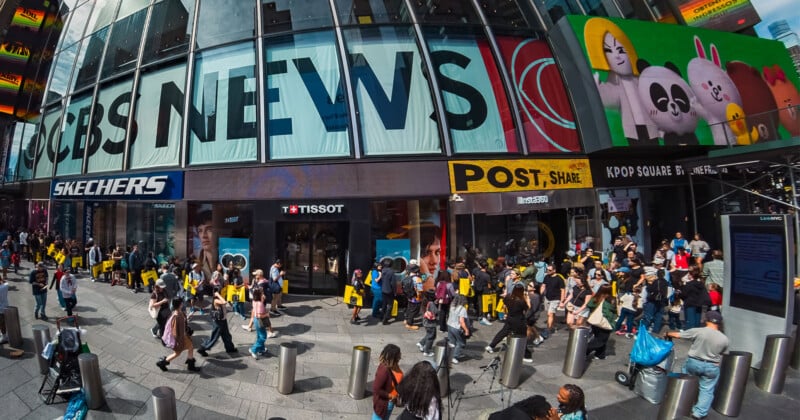
The journey from the launch of the Insta360 Nano in 2016 to a flagship in the most famous square in the world has been swift. As the company continues to expand its retail footprint into Europe and refine its AI-driven editing suites, the Times Square location will serve as the primary gateway for the American market, ensuring that the next 10 million cameras find their way into the hands of a new generation of storytellers.